5 Labor-Saving Livestock Equipment Innovations Transforming Modern Ranch Management
How Smart Equipment Design is Solving the Cattle Industry's Biggest Operational Challenge
(Sponsored Content) - The labor shortage across American ranching operations has become impossible to ignore. Whether managing a 500-head feedlot or a sprawling cattle ranch, finding skilled labor willing to work in demanding conditions has grown increasingly difficult and expensive. Equipment manufacturers have responded with innovations that address this challenge head-on, replacing routine manual labor with smart design solutions that make ranch operations more efficient, safer and ultimately more profitable.
For operations weighing the balance between hiring more staff and investing in better equipment, understanding these innovations can reshape how you approach daily cattle management. Here's what's changing in the equipment landscape and why ranchers are paying attention.
1. Self-Feeders and Creep Systems That Reduce Daily Management
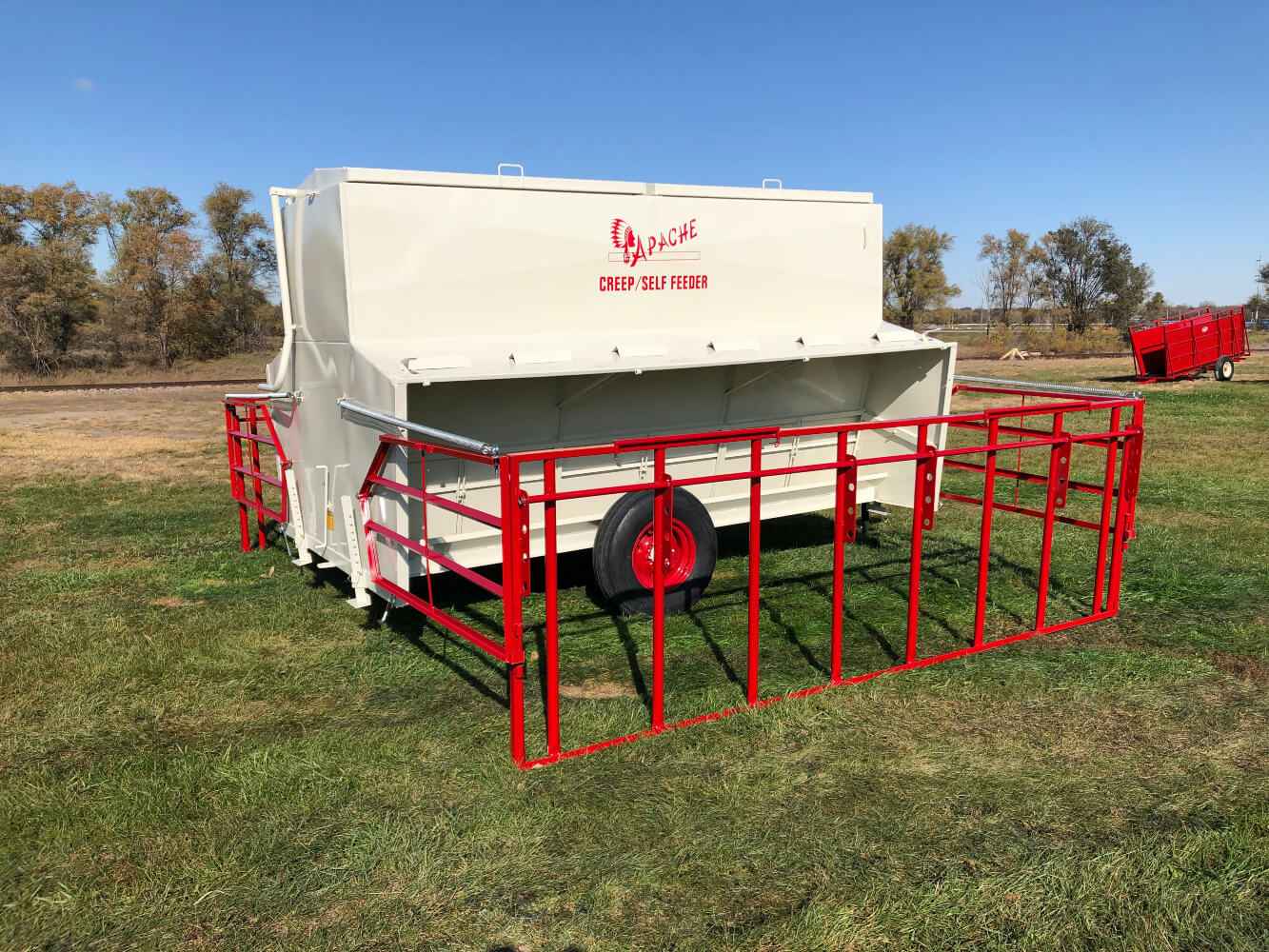
One of the most straightforward ways to cut labor is by automating what happens during feeding. Modern creep feeders and self-feeder systems are engineered to minimize human intervention while maintaining precise control of animal nutrition.
Contemporary designs feature weather-resistant construction, easy-access fill systems and gravity-flow mechanisms that reduce feed waste, meaning fewer trips to the feeder and less time spent on maintenance. What distinguishes today's self-feeders from earlier models isn't just durability; it's the reduction in daily chores. Properly designed systems require topping off rather than complete refilling, cutting feeding time by 40% to 60% compared to manual bunks.
For cattle operations handling significant numbers, this translates directly to labor hours saved. A single person can manage twice as many animals using automated feeding systems compared to traditional hand-feeding methods. When you factor in the cost of additional staff against a one-time equipment investment, the equation often favors equipment.
The Labor Math: A ranch hand earning $18 to $22 an hour managing 200 head daily requires roughly three to four hours of feeding time. Efficient self-feeder systems cut that to 1.5 to two hours. Over a year, that's 500 to 1,000 hours of labor cost — equivalent to a significant portion of equipment investment.
2. Integrated Livestock Handling Systems That Replace Manual Sorting
Sorting cattle has traditionally demanded experienced handlers positioned at strategic points, physically directing animals through gates and chutes. Modern integrated handling systems combining tubs, alleys, chutes and gate configurations allow fewer people to move and sort larger numbers efficiently.
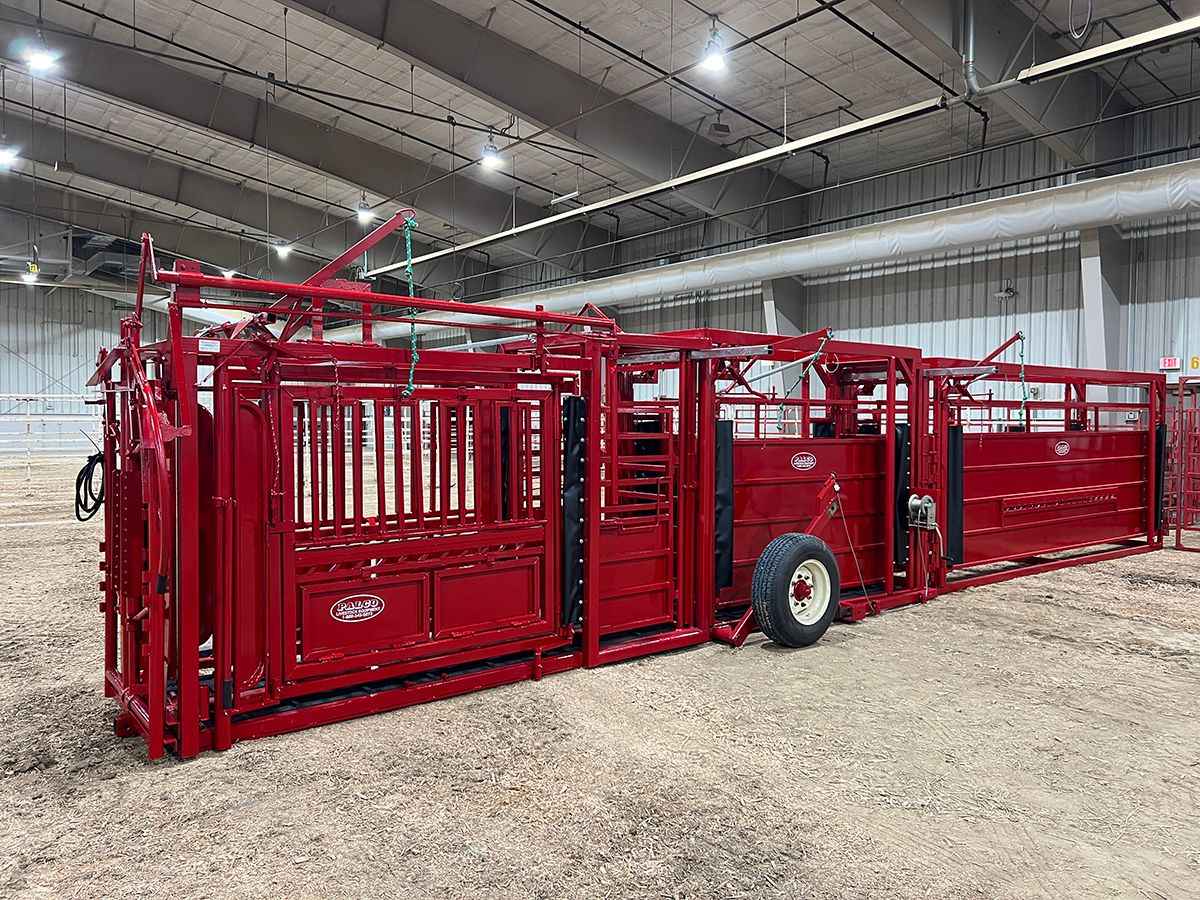
These systems are engineered with cattle behavior in mind. Curved tubs reduce stress and prevent bottlenecks. Properly angled chutes guide animals naturally without requiring handlers at every decision point. Loading chutes with appropriate angles and dimensions speed the process while minimizing animal injury and handler fatigue.
When equipment design accounts for how cattle naturally move through space, one person can accomplish what previously required two or three. Facilities incorporating these principles report 30% to 45% reductions in handling labor hours during working events. Those efficiency gains compound across repeated operations, spring processing, fall gathering, seasonal moves and market preparation.
What makes these systems valuable isn't just labor reduction; it's also consistency. Skilled handlers can be scarce, but good equipment works the same way every time, producing predictable results regardless of operator experience level.
3. Mixer Wagons and Feed Production Systems That Consolidate Tasks
Buying pre-mixed feed solves supply consistency but increases costs significantly. On-farm mixing with modern mixer wagon technology offers a middle path: consolidating feeding-related tasks into single operations that require less total labor.
Contemporary mixer wagons combine horizontal or vertical mixing, precise ingredient metering and mobile delivery in one system. A single operator can proportion grain, hay, supplements and minerals according to specifications, a task that once required two or three people working separately. One person loads, mixes and delivers to multiple locations in a single working session.
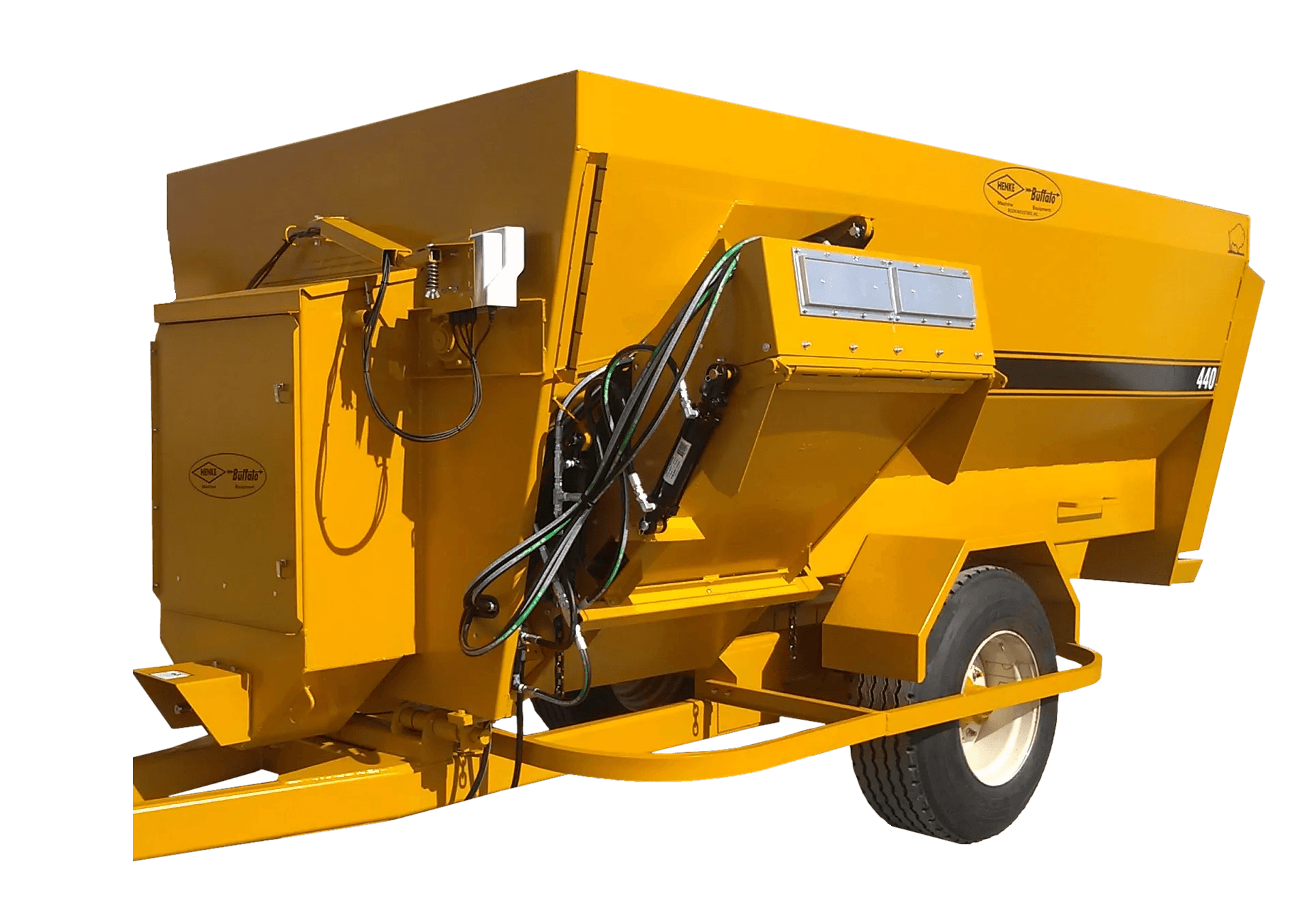
The equipment innovation here involves control systems that maintain consistency without constant operator adjustment. Automated scales, standardized mixing sequences and mobile delivery mechanisms mean less skill is required, making it easier to train less-experienced staff or rotate responsibilities.
Efficiency Snapshot: A ranch mixing complete feed for 150 head using traditional methods might spend two to three hours daily managing separate hay, grain and mineral supplies. Integrated mixer wagon systems consolidate this to 60 to 90 minutes with one person, reducing daily labor requirements by 33% to50%.
4. Hay Handling Equipment That Scales Output Per Hour
Hay season creates temporary labor spikes that many operations address by hiring seasonal workers, which adds complexity, training time and management overhead. Modern hay handling equipment increases productivity per available worker, reducing the need for temporary labor.
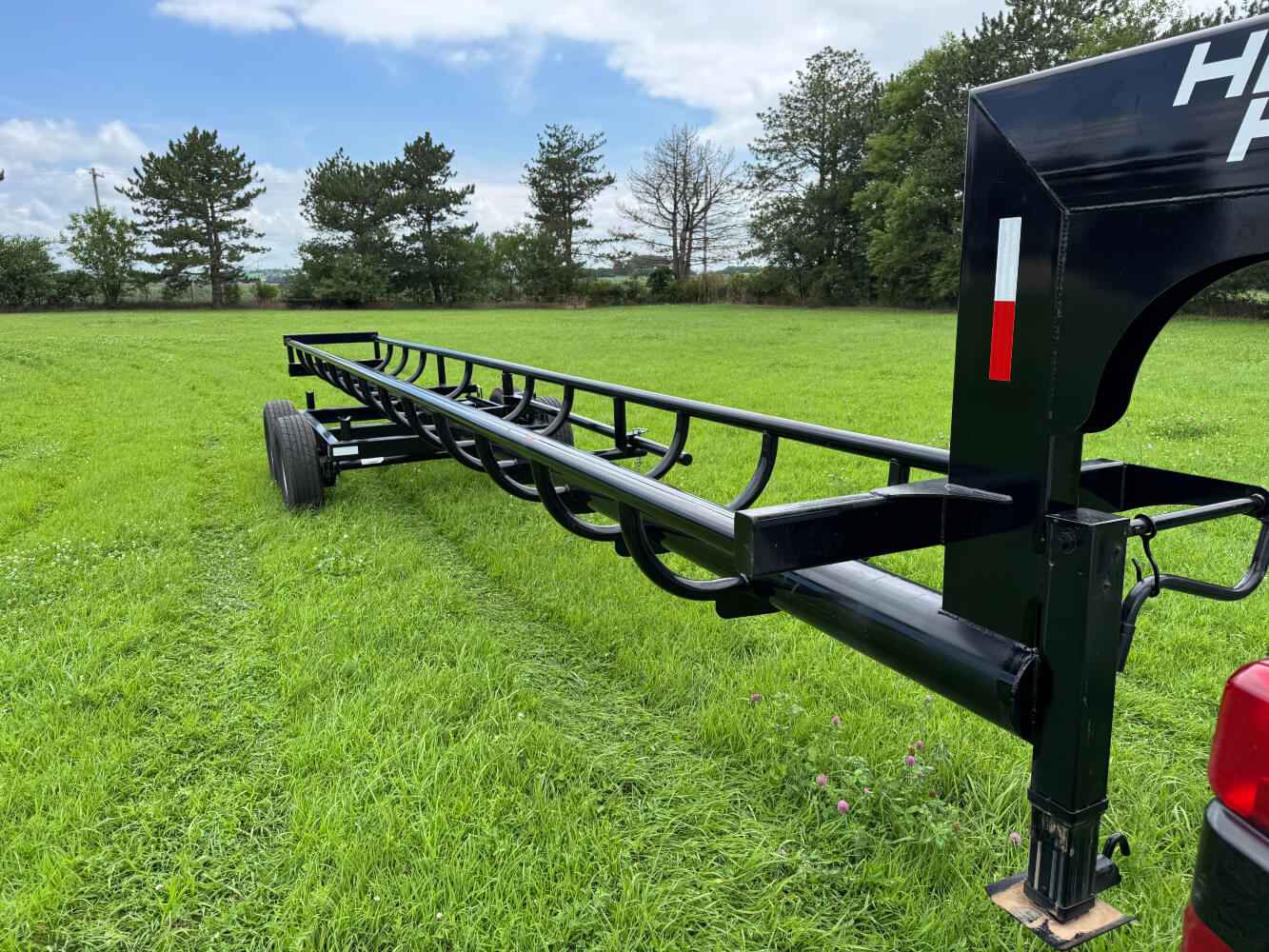
Bale transport systems with improved tine design and control reduce spillage and damage, meaning faster loading and unloading. Hay feeders with larger capacities and efficient bale-positioning mechanisms reduce the number of refilling trips required daily. High-efficiency systems can deliver nutrition to 300 to 400 head from a single loading cycle versus multiple refills with traditional feeders.
For operations processing their own hay, advances in wagon design, lighter materials, improved hydraulics and faster loading mechanisms mean single operators can accomplish what previously required two workers. What once took a day with a crew of three now takes a day with two, or half a day with three working efficiently.
The seasonal labor challenge transforms when you can absorb more production through equipment efficiency, reducing the total number of temporary hires needed and the management complexity that accompanies them.
5. Advanced Gate and Panel Systems That Enable Smaller Crews
Perhaps the simplest equipment innovation involves improving gate and panel design to reduce the physical labor and skill required for livestock movement.
Modern panel systems with improved latching mechanisms, consistent dimensions and lighter materials mean handlers expend less force and fatigue more slowly. Gates designed with leverage-multiplying handle positions require less physical strength, opening the field to operators with varying strength levels important when experienced, strong handlers are difficult to find.
Some operations are incorporating portable equipment that allows single handlers to manage pens and movements that previously required two people. Lightweight but rigid panels, quick-connect systems and thoughtful spacing reduce both the labor hours and the physical demand on available staff.
Real-World Impact: Operations redesigning their working facilities with modern panel systems report 25% to 35% reductions in crew size needed for routine animal movements. More importantly, they note improved safety metrics and fewer injuries because less force and improvisation are required.
The Investment Perspective: Equipment vs. Labor Costs
Labor costs in the cattle industry have escalated 35% to 40% in the past five years, driven by both scarcity and wage competition. Equipment costs have risen more slowly, and more importantly, equipment represents a one-time capital investment with benefits spanning 10 to more than 15 years.
A feedlot operator managing 400 head with traditional methods might employ four to five full-time equivalent (FTE) staff dedicated to daily cattle care. Upgrading to modern self-feeders, integrated handling systems and efficient hay equipment could reduce that to 2.5 to three FTE, saving $40,000 to $60,000 annually. Equipment investment of $150,000 to $200,000 pays for itself in three to four years, then continues generating labor savings for a decade or more.
The additional benefit: equipment-optimized operations experience fewer injuries, less burnout among remaining staff and improved ability to attract and retain good people. When workers aren't spending eight hours daily doing repetitive manual labor, job satisfaction improves. That translates to better retention and higher productivity from the staff you do employ.
A Strategic Shift
The most successful ranches aren't replacing labor entirely; labor-saving equipment innovations enable smarter use of available people. Equipment handles the routine and repeatable tasks. Staff focuses on animal health, nutrition optimization, problem-solving and management decisions where their expertise creates real value.
For cattle operations facing labor constraints and rising employment costs, this equipment evolution offers a genuine alternative. The technology already exists. The economics increasingly favor investment. And operations implementing these systems report not just cost reduction but improved efficiency, safety and job satisfaction across the board.
The question for many ranches isn't whether labor-saving equipment innovations work the data shows they do — it's whether your operation is positioned to implement them strategically as part of a broader efficiency improvement plan.
About Apache Equipment
Apache Equipment has served the cattle and farming industry for more than 30 years, engineering and manufacturing premium livestock feeding, handling and hay equipment designed for reliable performance in demanding operations. Through their network of authorized dealers across North America, Apache provides a range of solutions, from self-feeders and creep systems to integrated handling facilities, mixer wagons, hay equipment and advanced panel systems. Every Apache product is built with American manufacturing standards, heavy-gauge steel construction and a focus on durability that spans decades. Whether you're optimizing an existing operation or redesigning from scratch, To explore how Apache equipment innovations can improve efficiency and reduce labor costs in your operation, connect with a dealer near you or request product literature at www.apacheequipment.com.