A Farmer’s Guide to Buying Secondhand Ag Equipment
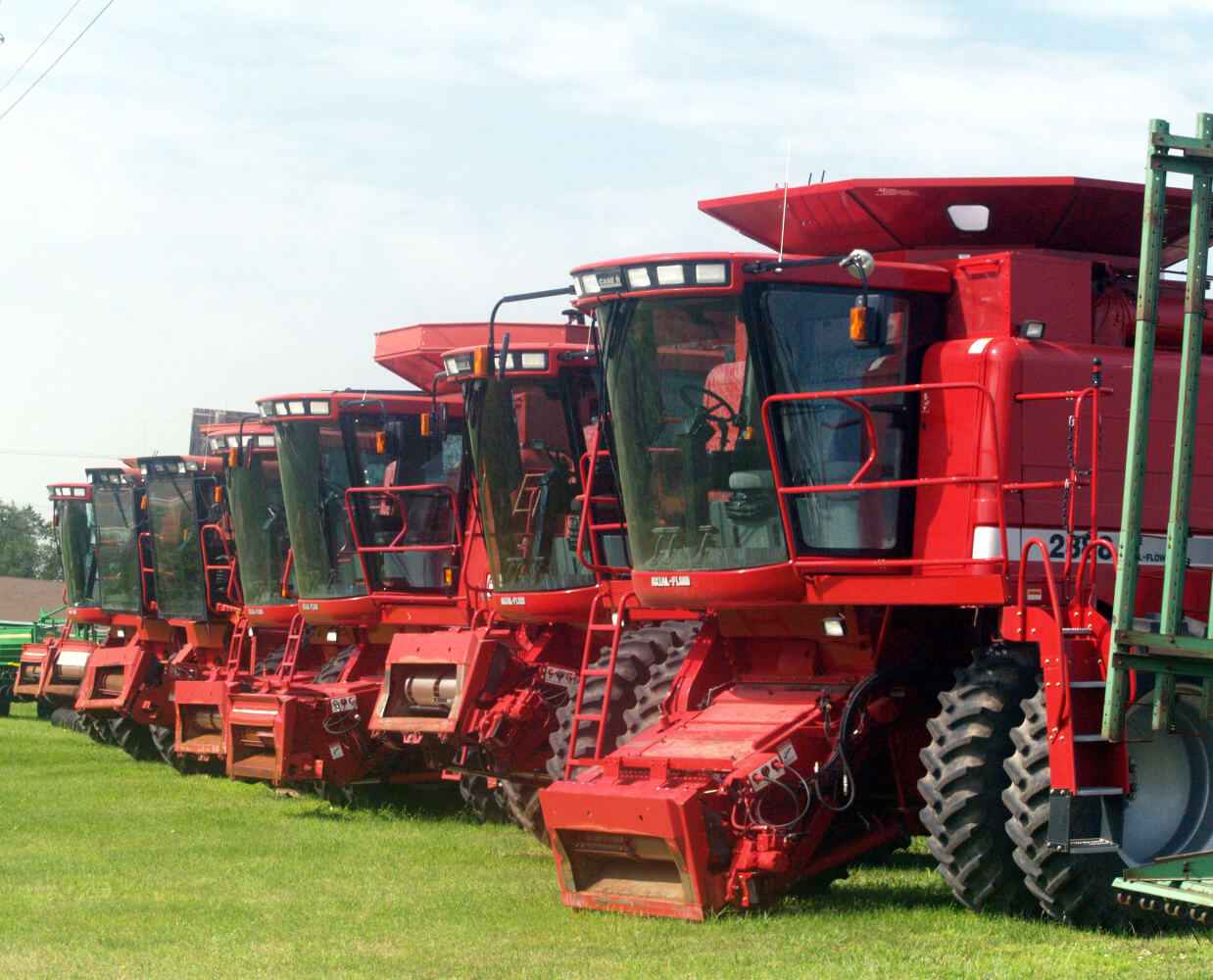
When it’s time to invest in equipment, farmers often face the same question: new or used? With the high cost of new machinery, evolving technology and unpredictable availability, the decision isn’t always simple. Choosing wisely comes down to what works best for your farm, your budget and long-term goals. Used agricultural equipment offers a practical way for farmers to stretch their dollars, keep operations running smoothly and even support on-farm sustainability.
Why Buy Secondhand Farm Equipment?
Choosing to buy used equipment can be a triple win for farmers, offering financial, environmental and practical advantages. The most obvious benefit is economic. Tractors, plows, balers and other implements depreciate quickly, making well-maintained used models much more affordable. Buying used allows you to afford higher-end brands or larger-capacity tools that might be out of reach if you were shopping for new models.
Older models of tractors and implements are often celebrated for their durability. Built with heavy steel frames and more straightforward mechanics, they can be easier to repair and better suited to the everyday demands of a farm.
Finding Quality Secondhand Equipment
Once you've decided to explore the secondhand market, the next step is knowing where to look. Reputable sources are key to finding gear that fits your purpose and reliability needs.
- Farm Auctions: Local and regional auctions are popular spots. Keep an eye out for sales at county fairgrounds, agricultural auction houses and online platforms. Always try to preview equipment on-site and review any available service records.
- Dealer Trade-Ins: Major agricultural dealerships often have a pre-owned inventory. These machines are typically inspected, serviced and vetted for quality, making them a strong option for critical, frequently used equipment.
- Online Marketplaces and Community Networks: Websites such as TractorHouse, specialized ag forums and even Facebook Marketplace have extensive listings. Word-of-mouth recommendations from fellow farmers can also lead you to fabulous finds, especially for seasonal or less-critical tools.
Inspection: What to Look for Before You Buy
A thorough inspection is the most critical part of buying used equipment. It’s not just about kicking the tires; it’s about understanding the machine’s history and its suitability for your specific needs.
Andre Paquette, owner and founder of Firefly Farm and Mercantile, has more than 30 years of experience in gardening and seed cultivation and knows the importance of thorough inspections. "When inspecting used farm equipment, always start by checking the condition of the engine and the mechanical components. A well-maintained engine can often be a sign that the machine has been properly cared for, and it will save you a lot of headaches down the road. Don’t skip the little things like belts, hoses and tires as they may seem minor, but they can add up in costs if they need replacing," said Paquette.
Looks can be deceiving. A shiny coat of paint might be hiding serious issues. Steven Bahbah, managing director at Service First Plumbing, grew up on a farm where secondhand machinery was common. He warns, “Another pitfall that is likely to result when purchasing second-hand machinery is to think that a clean look translates to a well-functioning machine. Most of the sellers paint and clean up their machines before listing, concealing such serious problems as worn bearings, broken hydraulic fittings or frame stress at the load point.”
Bahbah suggests a more detailed approach. “I always advise the farmers to begin with the inspection, look into the presence of oil traces, fluid leakages and incorrectly matched bolts, which in most cases are indications of a patchwork repair.”
Don't Forget the Paperwork
Experts stress the importance of documentation. "One big red flag is if the seller is reluctant to provide maintenance records or proof of repairs," said Paquette.
Bahbah adds, "Request maintenance records and record any anomalies about the service period, particularly with machines that have more than 5,000 working hours.” This transparency is your best defense against buying a machine with a hidden, costly history.
Expanding Your Search: Used Oilfield Pipe
Secondhand savings aren't limited to tractors and implements. Chris Solita, chief marketing officer at Baker Tubulars, points out that used oilfield pipes are an incredibly valuable resource for farms. "It is strong, long-lasting and cost-effective when sourced correctly." Farmers use it for fencing, gates and livestock-handling systems.
When inspecting used pipe, Solita advises farmers to “focus on the structure, not the surface. A little rust is fine, but check for straightness, wall thickness, scaling and what we call a corkscrew effect, which means the pipe is twisted.” He also warns that a common red flag is "a pipe that looks clean on the outside but has internal corrosion or thin walls. Heavy pitting, bends or inconsistent sizing can make fabrication difficult or unsafe."
How to Negotiate a Fair Price
Once you’ve inspected a piece of equipment and decided it’s a good fit, it's time to talk numbers. A successful negotiation is built on facts, not feelings.
"When negotiating, always have a solid idea of the machine’s market value, including the cost of any potential repairs or upgrades," Paquette recommends. Do not rely on emotion when negotiating, but on facts. Your estimation of the cost of any noticeable repairs is well-founded. Reason is generally held in higher esteem by sellers than lowballing.
For materials such as oilfield pipe, knowing the market is just as important. "Know what you are buying before you start negotiating," says Solita. "Ask about the grade, length and condition, and compare pricing from multiple suppliers so you have a fair baseline. Factor in shipping, loading and unloading costs, since these can change the true value."
The Insurance Advantage
A lesser-known benefit of buying used is the potential for lower insurance premiums. Fran Majidi, marketing and client relations manager at Modotech, Inc., explains that secondhand farm equipment is typically less expensive to insure than brand-new machinery.
The primary reason is the equipment's value. "Insurance premiums are largely based on the cost to replace the insured item," said Majidi. Since used farm equipment has already depreciated, its market and replacement value are lower than a new machine. This lower valuation translates directly to a lower insurance premium.
However, other factors can influence the final cost. Very old or poorly maintained equipment may be considered a higher risk. The type of coverage you choose, how you use the equipment and where it's stored can also affect your premium.
With innovative research and a clear-eyed assessment of your farm’s needs, buying secondhand can be a fantastic solution for value, reliability and flexibility. With this expert guidance, you can navigate the market confidently and make investments that will serve your operation for years to come.
Thinking About Buying New?
While secondhand equipment offers many advantages, there are situations where buying new makes sense. New equipment comes with the latest technology, greater energy efficiency and built-in warranties that can give you peace of mind. Advanced features may boost productivity and safety, and the likelihood of breakdowns or unexpected repairs is far lower. For some farms, especially when uptime and precision are critical, investing in brand-new machinery can be a strategic move that balances higher upfront costs with long-term reliability.