Expanded Beef Imports Raise Concerns for U.S. Cattle Producers
The U.S. will expand low-tariff Argentine beef imports in 2026 to address high prices, raising concerns among cattle producers about impacts on the U.S. herd.
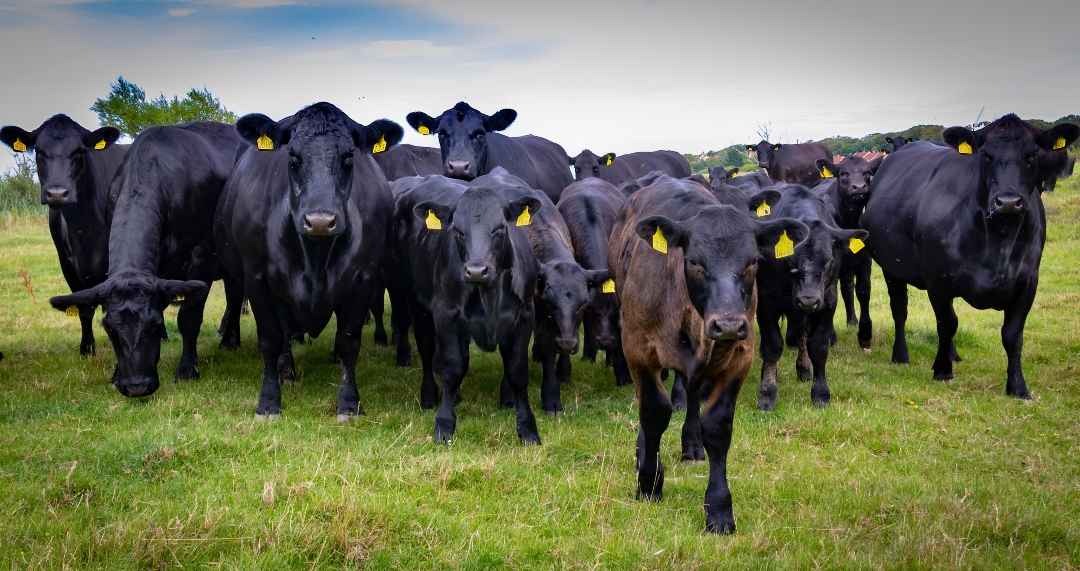
President Donald Trump has signed a proclamation increasing low-tariff imports of Argentine beef in 2026. The move is intended to address high beef prices but has raised concerns among U.S. cattle producers.
According to Reuters, the proclamation raises the U.S. tariff-rate quota on Argentine beef by 80,000 metric tons. The increase applies only to lean beef trimmings, which are blended with fattier domestic beef to produce ground beef products.
Why Imports Are Increasing
The decision comes as the U.S. cattle herd has fallen to its lowest level in 75 years. Prolonged drought, reduced pasture availability and rising feed costs have forced many producers to reduce herd size. At the same time, strong consumer demand has pushed beef prices to record highs.
The administration says the import increase is meant to help stabilize prices for American consumers, particularly in the ground beef market.
What It Means for Farmers
Cattle producers say the policy does little to address the core challenges facing the industry. While imports may add limited supply to ground beef production, they do not help rebuild the domestic herd or lower production costs for ranchers.
Industry voices point out that imports may shift value toward processors while delaying broader policy efforts needed to support herd rebuilding, drought recovery and long-term supply stability.
What It Means for Consumers
Economists cited by Reuters say the added imports are unlikely to significantly reduce grocery store prices. As a result, consumers may see little change at the checkout counter, even as food companies benefit from improved margins.
In 2024, the U.S. imported about 33,000 metric tons of Argentine beef, representing roughly 2 percent of total U.S. beef imports. Even with the expanded quota, imports remain a small share of the overall market.
The Bigger Picture
The import increase comes alongside a broader U.S. and Argentina trade and investment agreement designed to expand market access for U.S. goods.
Producers emphasize that long-term price stability and food security depend on strengthening domestic cattle production. For many in cattle country, the message is straightforward. Real solutions come from supporting American ranchers and rebuilding the U.S. herd