Fact or Fiction
Tractor Maintenance Myths That Can Cost You Money
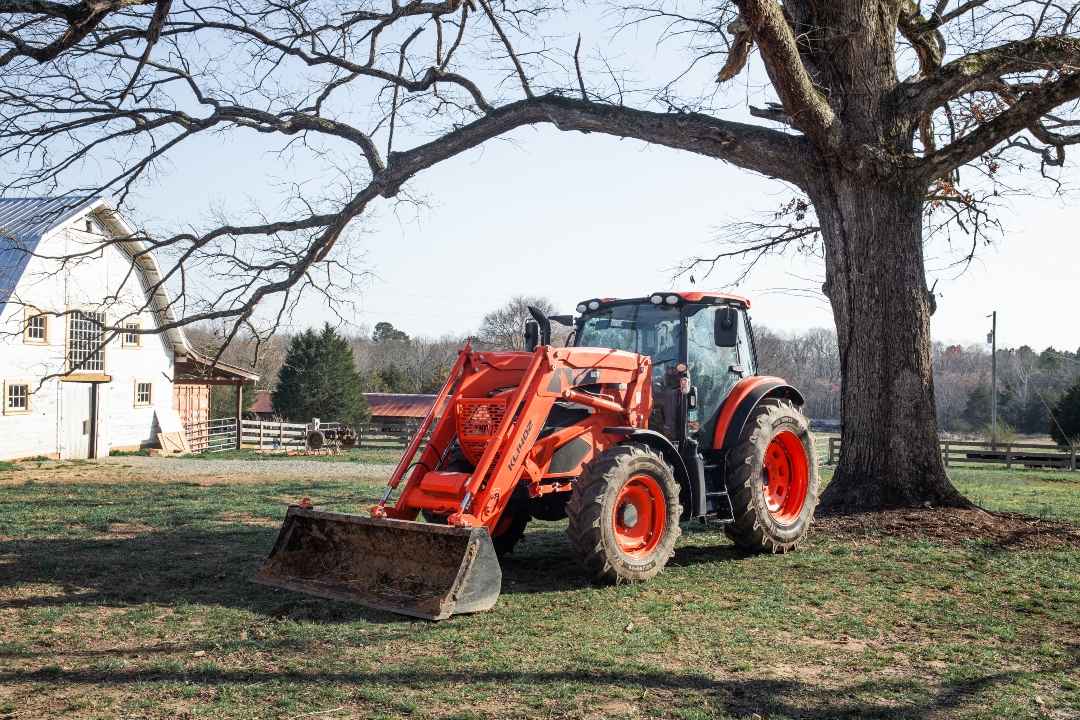
Reliable and strong, tractors are the workhorses that keep a farm running smoothly. However, even the most durable machines require consistent care to keep parts running smoothly and the machine operating at its best. Unfortunately, many operators overlook or underestimate the importance of maintenance routines, often leading to costly repairs that could have been avoided.
In this guide, we’re debunking six of the most common tractor maintenance myths and sharing the right ways to keep your equipment running smoothly all season long, so you can save money and complete your tasks on time.
Common Misconceptions
Myth 1:
Pre-operation tractor inspections are optional.
With a mile-long to-do list, it can be tempting to immediately hop into the operator’s seat and get to work. However, skipping a quick pre-work inspection can lead to overlooked issues that can snowball into bigger and more expensive repairs down the road.
Before you even think about starting your tractor each day, take five minutes to walk around your machine. Look for visible damage, check for loose bolts and hose connections and clear the radiator screen and air filter of debris. Make sure your fuel is fresh to prevent debris from getting caught in the fuel system, and confirm your oil and tire pressure levels are where they should be.
That quick, five-minute daily check can help save you money down the line. Be sure also to review your owner’s manual for maintenance tasks that may be unique to your machine and adhere to recommended maintenance intervals, such as oil changes and lubrication schedules.
Myth 2:
A running tractor means no problems.
Just because your machine starts doesn’t mean everything is running properly. A slight squeak or occasional leak may not seem significant initially, but these minor issues can indicate more serious problems later.
Keep your eyes and ears open when starting your machine and note any unusual noises, hard starts or leaks. If any of these issues persist or worsen across the next several days, take your machine to a dealer immediately. Any abnormal machine behavior should be investigated quickly to reduce the risk of downtime and unexpected repair costs in the future.
Myth 3:
Tractor joints and hydraulics don’t require regular attention.
Some operators believe they can get away with occasional preventive maintenance, such as greasing joints and inspecting the hydraulics. High-usage parts, including steering systems or attachment connection points, experience constant movement and friction with other parts of the tractor. Without proper lubrication, this friction can cause premature wear and tear.
Similarly, a neglected hydraulic system can suffer from improper fluid levels, which can lead to overheating, potential damage and several other costly problems. The hydraulic system is the backbone of your machine’s lifting and power capabilities when it comes to implements, such as loaders and plows, so it’s important to keep fluids topped off and clean. Check your operator manual to ensure you’re completing maintenance tasks at the right intervals and to confirm the most compatible products for your machine.
Myth 4:
Tractors are built to stay outside year-round.
Tractors are designed to be durable and handle tough conditions, but that doesn’t mean that your tractor should be stored outdoors year-round. While your machine may make it through a couple of seasons without issues, eventually improper storage could lead to costly damage. Exposure to elements, particularly rain, sun and pests, can cause gradual but significant damage. Over time, moisture and UV rays can fade paint, degrade hoses and cause electrical problems.
Whenever possible, store your tractor under cover or inside a shed. If indoor storage isn’t available, use a high-quality tarp and keep tires elevated to prevent rotting. Proper storage can extend the life of your equipment, ensuring it can continue to handle tasks throughout the season.
Myth 5:
You don’t need to clean your machine regularly.
It’s easy to assume that a little dirt won’t affect a tractor. Tractors are built for dirty jobs, so some operators assume cleaning is not necessary and that dirt and debris will not affect the machine's performance. However, allowing mud and debris to build up can trap moisture and accelerate rust and corrosion. It also makes it harder to spot damage and leaks, which could lead to further problems.
A regular cleaning routine is just as important as changing the oil and checking battery connections. It helps protect your tractor’s finish and components, ensuring small issues don’t go unnoticed, making it easier to inspect and maintain safe operation.
Myth 6:
It doesn’t matter what parts and fluid brands you use.
When it comes to replacing parts and fluids for your tractor, it can be tempting to go with the cheapest option, but cheaper isn’t always better. Just because a part fits your tractor doesn’t mean it’s the right choice.
Original equipment manufacturer (OEM) parts and fluids are designed, tested and approved by the same company that built your machine. This means that those products are the most compatible with your machine. Third-party alternatives may have different materials or tolerances, which can lead to premature wear or a slightly improper fit. An improper fit can cause vibration, leaks or strain on the connected components, potentially leading to bigger issues. Investing in OEM products helps preserve your tractor’s long-term reliability and keeps your machine running as it was designed to do.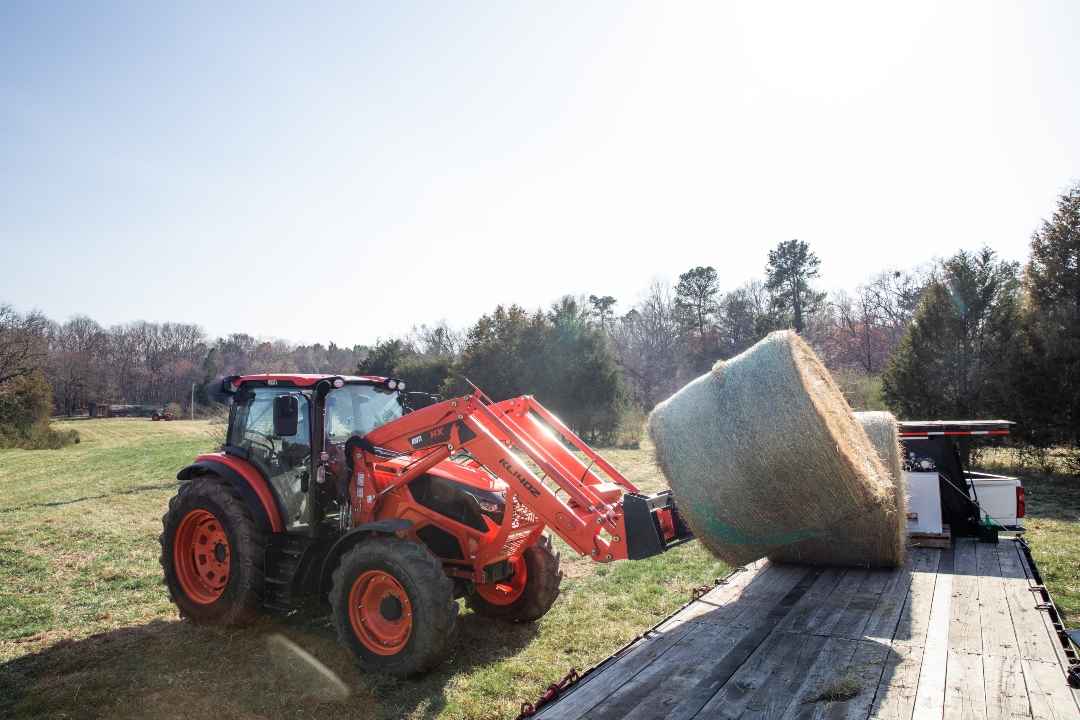
Keep it Running
Don’t fall prey to these common maintenance myths. Preventive maintenance takes a lot less time and money than major repairs. It also gives operators reliability, efficiency and peace of mind.
Your tractor is a major investment, and it should be treated as one. With consistent care, you can protect your investment, minimize downtime and keep your operation running smoothly season after season.