Ice, Snow and the Aftermath: Navigating Farm Losses After Winter Storms
Severe winter storms brought ice, snow and power outages across the U.S., causing farm damage and losses while USDA outlines recovery steps and aid programs.
Late January 2026
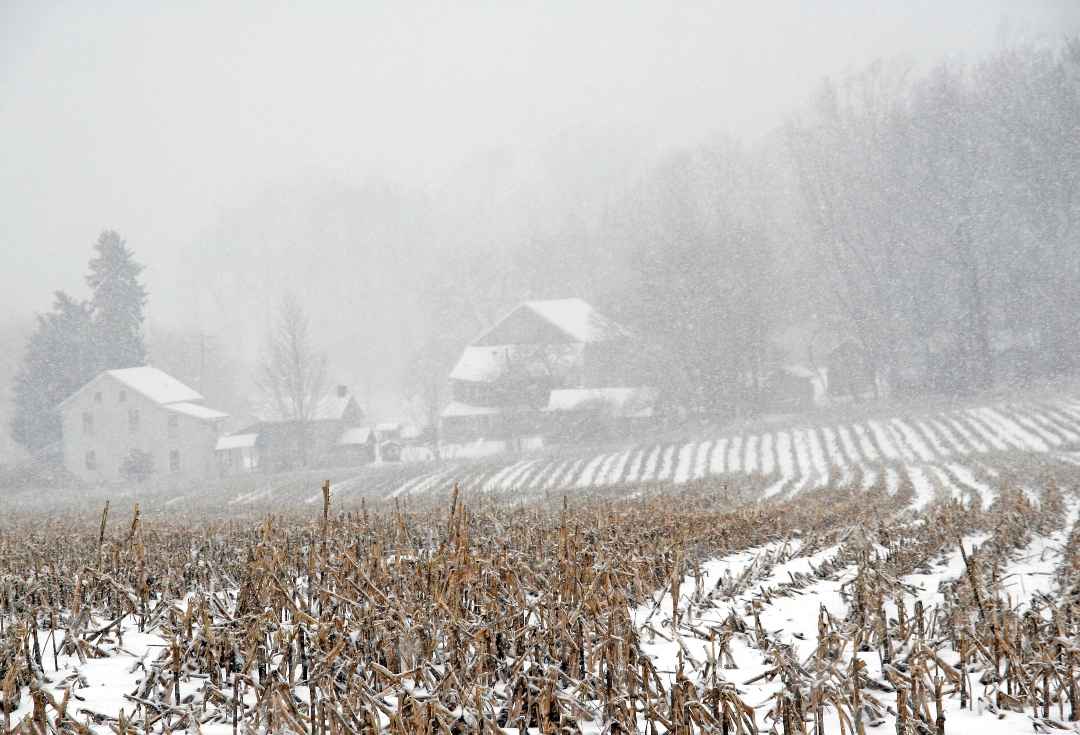
A major round of winter storms, including Winter Storm Fern, moved across large portions of the United States in late January, bringing heavy snow, ice and bitter cold that disrupted farm operations nationwide. Ice buildup, long power outages and extreme temperatures have caused widespread damage to farm structures, delayed transportation and created difficult conditions for livestock and crop producers.
According to AccuWeather, total damage and economic losses from the storm system are expected to reach $105 billion to $115 billion. That estimate includes damage to buildings and infrastructure, supply chain disruptions, power outages, livestock and crop losses and transportation shutdowns. AccuWeather reports the storm affected nearly 200 million people, with temperatures in many areas dropping 15 to 30 degrees below normal.
In agricultural areas, ice accumulation proved especially damaging. Producers in several regions reported barns, arenas, poultry houses and greenhouses collapsing under the weight of ice. Some livestock operations were forced to evacuate animals as structures failed. Power outages and icy roads have slowed damage assessments and made recovery more difficult, particularly in rural areas.
As producers begin to assess losses, the U.S. Department of Agriculture (USDA) is urging farmers and ranchers to document damage and contact USDA resources as soon as it is safe to do so.
What Farmers Should Do If They Experience Losses
USDA officials stress that early action matters when it comes to disaster assistance.
Document your losses
Producers should take photos or video of any damage, including livestock injuries or deaths, damage to barns, poultry houses, fencing, equipment and greenhouses, as well as crop losses, orchard or tree damage and feed losses. Livestock producers should also document the number of animals they had before the storm and any losses tied to the weather.
Report losses on time
Producers with Federal Crop Insurance or coverage through the Noninsured Crop Disaster Assistance Program are required to report losses to their crop insurance agent or local Farm Service Agency office within 72 hours of discovering damage and follow up with written notice within 15 days. Missing these deadlines can affect eligibility for assistance.
Contact your local USDA Service Center
USDA encourages producers to contact their local USDA Service Center to determine which disaster programs may apply to their operation. Staff at county, state and regional offices can help producers understand next steps and available options. Producers can also use tools on farmers.gov, including the Disaster Assistance Discovery Tool, to identify programs that fit their situation.
USDA Programs That May Help After a Winter Storm
Depending on the type of loss, producers may qualify for assistance through several USDA programs, including the Livestock Indemnity Program, Emergency Assistance for Livestock, Honeybees, and Farm-Raised Fish, Tree Assistance Program for orchards and vineyards, Emergency Conservation Program and Emergency Forest Restoration Program.
The Natural Resources Conservation Service may also provide financial and technical assistance through programs such as the Environmental Quality Incentives Program and the Emergency Watershed Protection Program.
Loans and Financial Support
The USDA Farm Service Agency offers low-interest emergency loans and other financing options to producers in designated disaster areas. These loans may be used to repair or replace damaged buildings and equipment, replace livestock, feed, seed and supplies, cover operating expenses or refinance farm-related debt. Loan servicing options may also be available for borrowers temporarily unable to meet scheduled payments due to storm-related losses.
Looking Ahead
Recovery from winter storms of this scale takes time, especially where ice damage and power outages are widespread. USDA encourages producers to prioritize safety, document losses carefully and reach out for assistance as conditions improve. Farmers are encouraged to act early and use available federal resources to support recovery and keep operations moving forward.
References
USDA Farmers.gov. Disaster Assistance Discovery Tool.
U.S. Department of Agriculture. Find your local USDA Service Center.