Integrating Livestock Guardian Dogs into Modern Predator Management Systems
Texas A&M AgriLife Perspectives
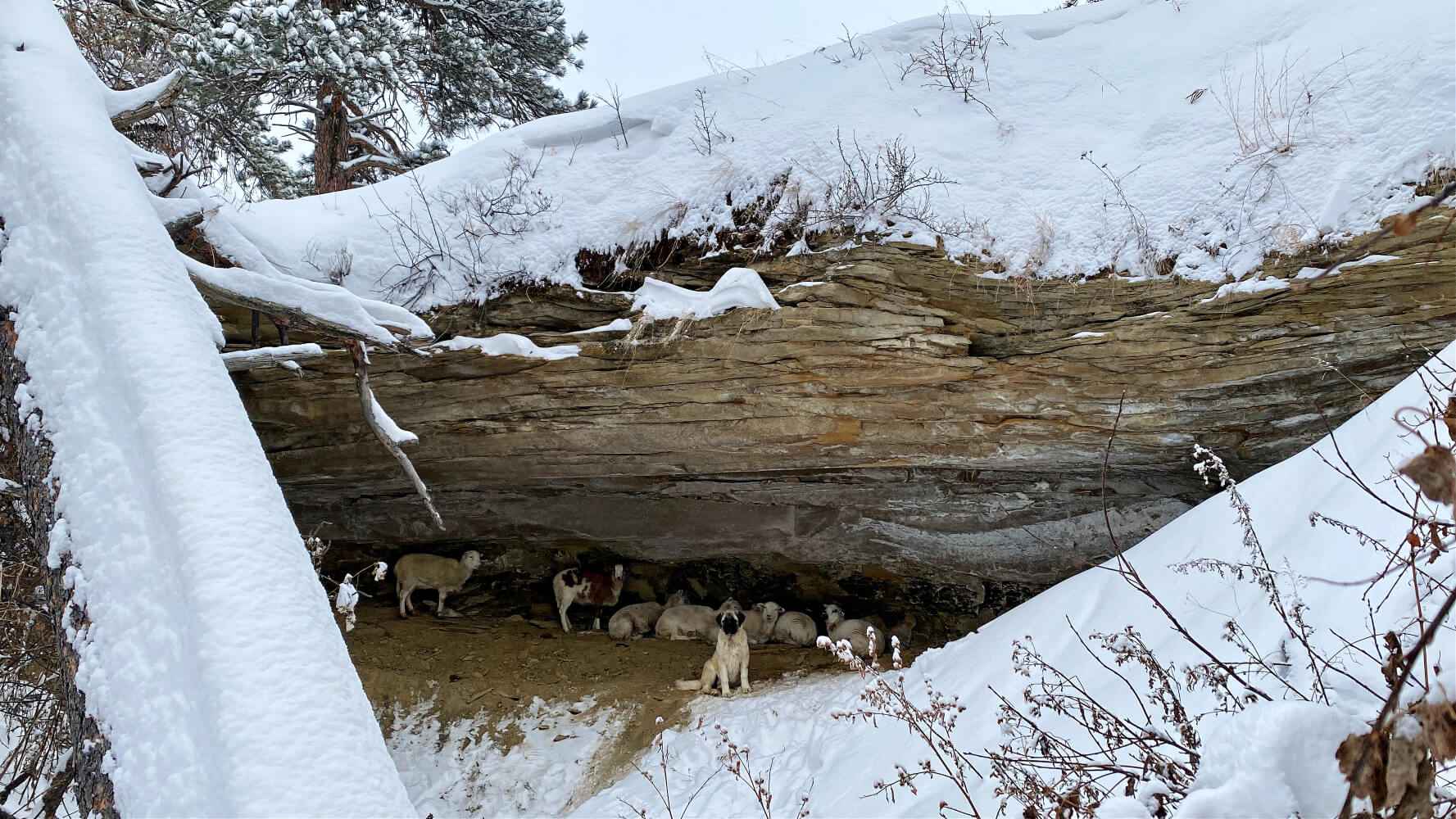
Overview of the AgriLife Livestock Guardian Dog Program
The Texas A&M AgriLife Livestock Guardian Dog (LGD) Program was started in 2019 to address persistent livestock losses to predators in Texas and across the western United States. Sheep and goat producers, in particular, face ongoing challenges from coyotes and, increasingly, from other predators, including aerial threats, bobcats, town dogs, mountain lions, black bears and, in some regions, wolves.
The AgriLife LGD Program integrates applied research, producer education and on-ranch demonstrations to improve the effectiveness, management and long-term success of LGDs as a non-lethal predator management tool. In the past six years, the program has bonded and trained more than 40 dogs that are working on Texas ranches. The program is the only one of its kind in the U.S.
The program aims to reduce livestock losses to predators through improved LGD management, improve producers' understanding of LGDs and promote science-based predator strategies. Through publications, workshops, field days, consultations and research, it emphasizes practical decision-making for ranches. LGDs are a management tool, not a universal fix, and require intentional use within ranch systems.
Observed Success and Limitations Against Large Predators
Research published by UC Davis in 2023 shows that LGDs reduce lamb losses to coyotes by 43% annually in observed operations, highlighting both the successes and limitations of LGDs in protecting livestock from large predators. These findings align with decades of peer-reviewed research documenting reduced depredation rates in operations using well-managed LGDs. Producers in the AgriLife LGD Program bonding project have reported up to 100% increases in lamb crops after one year of LGD use.
Producers in regions with large predators have reported significant reductions in livestock losses after implementing LGDs, especially when dogs are properly bonded, kept in adequate numbers and supported by effective fencing and husbandry practices. Scientific studies confirm these observations, showing lower mortality in flocks protected by LGDs than in unprotected flocks exposed to large predators.
Producers also need to recognize LGD limitations. In areas with wolves or high predator densities, LGDs are not always effective. Research shows LGDs can reduce attack frequency and disrupt predation, but they do not eliminate the risk. Wolves often test guarded flocks, especially when livestock are dispersed or the dogs are outnumbered.
Realistic expectations and adaptive management based on predation levels are needed. Producers should assess their risk tolerance and willingness to adapt strategies, such as increasing the number of LGDs, consolidating flocks and improving territorial markings. Effective fencing design and routine flock management also help protect livestock against wolves. Addressing these factors is key to an effective predator strategy.
LGD Effectiveness Against Pack Predators
Pack-based predators pose some of the most challenging scenarios for LGD use.
Research from Europe and North America shows that LGDs can be effective in areas with wolves, but success depends heavily on the intensity of predation management. Studies of wolf–LGD interactions report outcomes ranging from complete deterrence to partial or failed deterrence. This is influenced by factors such as the number of LGDs, livestock distribution, flocking characteristics, terrain, fencing and predator behavior.
LGDs are the most effective against pack predators when used as a coordinated group rather than as individual dogs. Larger groups of dogs enhance deterrence by increasing uncertainty and risk for predators by extending protection beyond the immediate flock.
Conversely, small numbers of dogs guarding widely dispersed livestock are more likely to be bypassed or overwhelmed by wolves. LGDs operate through territorial exclusion, disruption of predator patterns and confrontation when necessary.
In ranch operations with very high predator pressure or landscape features that favor predators, such as dense brush or thick forests, LGDs alone may not provide enough protection. This creates the need for additional management tools.
Rancher success in environments with wolf or high predator loads is linked to proactive planning, investment and a willingness to modify livestock management practices to support LGD effectiveness in the pasture.
Overlooked Management Considerations
A persistent challenge is ensuring that producers fully understand the management requirements for LGDs.
While often marketed as 'low maintenance’ predator control, research and field experience show that successful LGD programs require ongoing attention and adaptability to regularly changing predation scenarios. Regular assessment of management practices and dog numbers is important for producers to remain adequately prepared for livestock attacks.
Ranchers often miscalculate the number of LGDs required to protect their livestock effectively. Common guidelines, such as one to two dogs per hundred head, serve as starting points, not specific recommendations. Factors such as terrain variability, fencing quality, predator species, management style and livestock dispersion all influence the correct number of dogs needed.
LGD breed selection is often misunderstood, as producers believe that all LGD breeds are the same, which is not true. No single LGD breed is universally superior. Producers should match breed characteristics and individual dog behavior to the operation’s needs. Selecting complementary LGD breeds is essential for success. Different LGD breeds exhibit distinct guarding patterns and styles. When they are combined, they enhance overall livestock protection.
Bonding and early management are also crucial for successful LGD use on ranches. Improperly bonded or inconsistently managed dogs during adolescence are more likely to roam, harass livestock or neglect their guarding duties. Both research and producer experience confirm that early-life management significantly influences dog performance. The AgriLife LGD Program has drastically reduced adult dog roaming through electric and virtual fence training in bonding pens and training pastures.
Terrain and fencing significantly affect LGD effectiveness. Inadequate fencing can increase dog roaming, raise replacement costs and reduce overall effectiveness. Producers can misunderstand the link between physical infrastructure and LGD behavior. Effective predator management and LGD containment require woven wire fencing of the appropriate type and height, as reliance on barbed wire fencing is inadequate. Electrified high-tensile fencing can further deter predators when properly installed.
Labor and associated costs are often underestimated. Although LGDs reduce predation losses, they require consistent feeding, health care and behavioral supervision. Expenses for feeding, veterinary care, infrastructure improvements and dog replacement are significant but manageable with proper planning. According to a UC Davis report, using LGDs for more than seven years can save producers approximately $16,200 by reducing lamb and ewe losses to predation. Proper bonding and management are essential to maximizing LGD effectiveness.
Role of LGDs in Integrated Predator Management Strategies
LGDs are not a stand-alone predator control solution. Instead, research and extension efforts consistently position LGDs as one element of an integrated predator management system. Successful operations typically combine LGDs with husbandry practices, including livestock consolidation during vulnerable periods, carcass management, improved fencing and, where appropriate and legal, targeted lethal predator control.
LGDs exert constant non-lethal pressure that changes predator behavior and reduces hunting success by territorial marking and their presence on the landscape. This role complements other management tools by reducing reliance on reactive measures such as trapping.
Research shows that integrated predator management systems using multiple approaches are more effective long-term than those relying on a single method of control.
Key Considerations for Producers Before Adopting LGDs
Before starting to use LGDs, producers should conduct a complete evaluation of their operations.
They should consider the predator species present, grazing system design, labor availability and long-term financial commitments. LGDs are most effective when producers are prepared to adapt livestock management practices to support the dogs, rather than relying on the dogs to compensate for systemic vulnerabilities caused by inflexible management.
Producers should plan for multi-dog LGD units, especially in areas with large or pack-based predators. They need to invest in bonding and training and provide funds for the dogs' entire life cycle. LGDs should be viewed as part of a comprehensive predator management program, not just a foolproof purchase.
Purchasing quality dogs from reputable breeders that have similar ranch operations is key. Producers should research breeds, LGD management and care before acquiring dogs. They should also prepare bonding pens, install secure fencing and design a training schedule. Consulting experienced local producers is recommended, as each ranch operates differently.
Conclusion
Livestock guardian dogs remain among the most effective non-lethal tools for reducing livestock predation when effectively managed. Scientific research and producer experience regularly show the value of LGDs while acknowledging the dog's limitations. Producers can enhance livestock protection and promote long-term operational sustainability by basing LGD adoption on applied research, realistic expectations and integrated management.