Minnesota Expands Ag Weather Network
Two new stations expand Minnesota's ag weather network with localized weather and soil data for farmers.
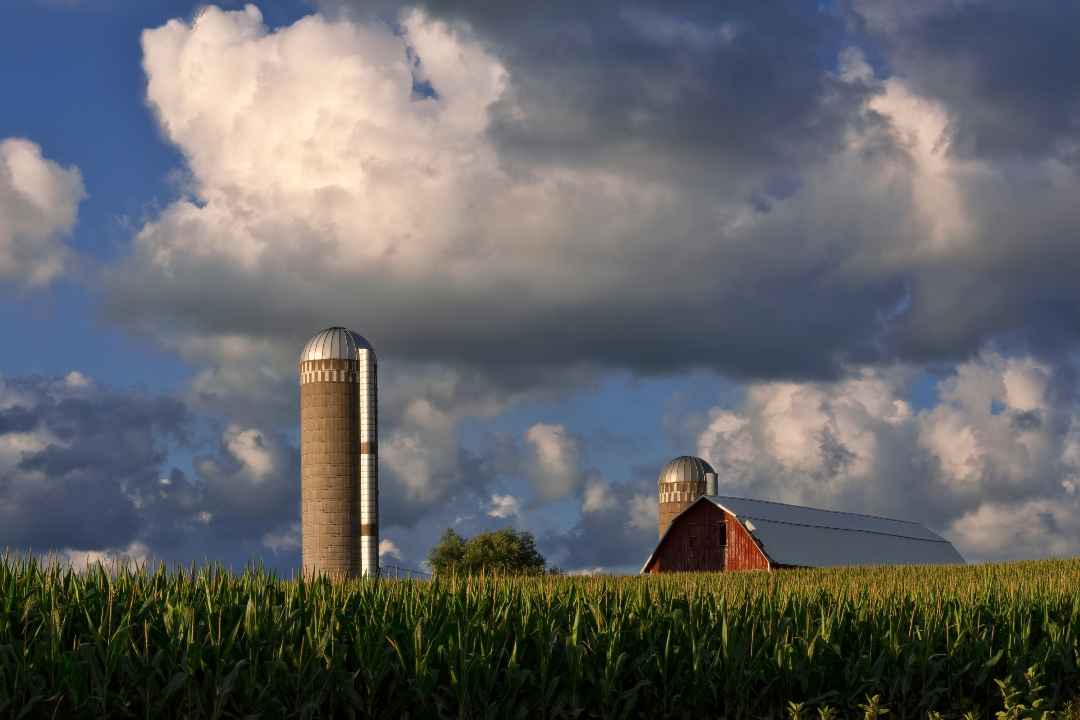
The Minnesota Department of Agriculture (MDA) has expanded the Minnesota Ag Weather Network (MAWN) with two new weather stations in southeast Minnesota. The stations are located outside Peterson in Fillmore County and Mabel in Houston County.
The expansion is intended to improve weather and environmental data coverage for Minnesota producers. The network's goal is to provide real-time, localized environmental data within 20 miles of all agricultural land in the state.
Each Minnesota Ag Weather Network station collects real-time weather and soil information, including rainfall, air temperature, wind speed and direction, dew point temperature, soil temperature, soil moisture, solar radiation, snow depth, and snow water equivalent.
The network also provides decision-making tools based on the collected data, including crop growing degree days, irrigation scheduling guidance, daily crop water-use estimates, disease-risk forecasts, and temperature inversion alerts.
“Farmers make dozens of decisions every day, and good data helps them make the right ones,” said Agriculture Commissioner Thom Petersen. “This new station gives producers the local information they need to protect their crops, manage water responsibly, and stay ahead of changing conditions.”
Soil temperature measurements extend to 7.5 feet deep, while soil moisture is measured to depths of 40 inches.
The Minnesota Ag Weather Network is integrated with the North Dakota Agricultural Weather Network (NDAWN), allowing Minnesota weather data and agronomic tools to be accessed through the NDAWN system.
The MDA received a combined $5.25 million from Minnesota's Clean Water Fund in 2023 and 2025 to expand the network. That funding supported the installation of about 45 new stations in partnership with local soil and water conservation districts, the University of Minnesota, and NDAWN.
With additional installations planned this year, the network is continuing toward statewide coverage.