Putting a Price on Tire Performance
Rising Input Costs Are Changing How Farmers Buy Tires
For America's farmers, managing costs has always been part of the job. But in today's operating environment, controlling expenses has become more important than ever. From fertilizer and crop protection products to diesel fuel, equipment, labor, and financing, virtually every input required to produce a crop has become more expensive in the past several years. While commodity prices have experienced periods of strength, fluctuating grain markets have made it difficult for many producers to simply pass those higher costs on to the marketplace.
As a result, farmers are scrutinizing every purchasing decision with greater intensity than ever before. They're asking a simple but important question: Will this investment reduce my cost of production across the long term?
Increasingly, that question extends to agricultural tires. For many years, some producers viewed tires as a commodity purchase, often selecting the lowest-priced option available. Today, that mindset is changing. Progressive farmers understand that tires directly influence productivity, fuel consumption, equipment uptime, soil health, and ultimately profitability.
In other words, the least expensive tire is not always the least expensive tire.
Every Hour Counts
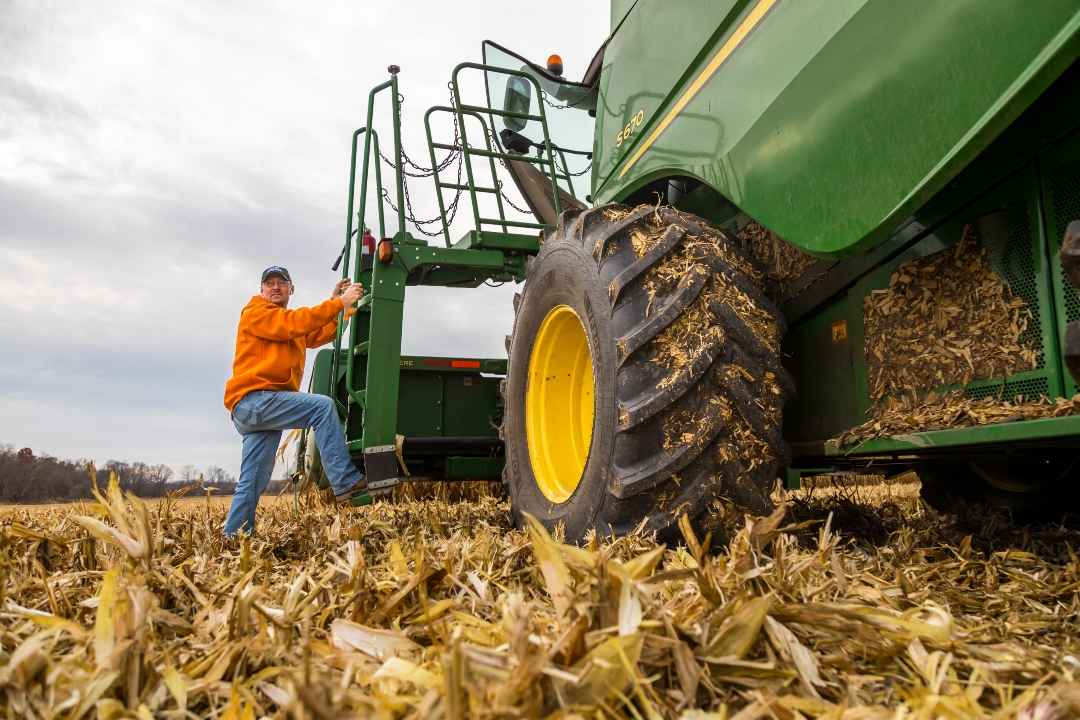
Modern farming equipment represents a significant capital investment. High-horsepower tractors, self-propelled sprayers, combines, and grain carts often cost hundreds of thousands of dollars — or more. During narrow planting and harvest windows, every hour of operation is valuable.
When a tire fails prematurely or wears out sooner than expected, the cost extends well beyond the replacement tire itself. Unexpected downtime can delay planting, interrupt harvest schedules, and leave expensive equipment sitting idle while repairs are made. If the failure occurs during peak season, replacement tires may not be immediately available, creating additional delays that can affect crop yields and operating efficiency.
That's why experienced producers are evaluating tire purchases based on total cost of ownership rather than simply the initial purchase price.
Looking Beyond the Price Tag
Total cost of ownership considers several important factors:
- Purchase price
- Expected service life
- Cost per operating hour
- Resistance to stubble damage and punctures
- Fuel efficiency
- Downtime and maintenance costs
- Impact on soil compaction
A tire that costs slightly more initially but delivers thousands of additional operating hours can actually reduce overall operating costs. Likewise, a tire engineered to resist cuts, stubble damage, and sidewall failures may prevent costly breakdowns during the busiest weeks of the year.
The goal isn't to buy the cheapest tire. The goal is to buy the tire that delivers the lowest cost across its entire working life.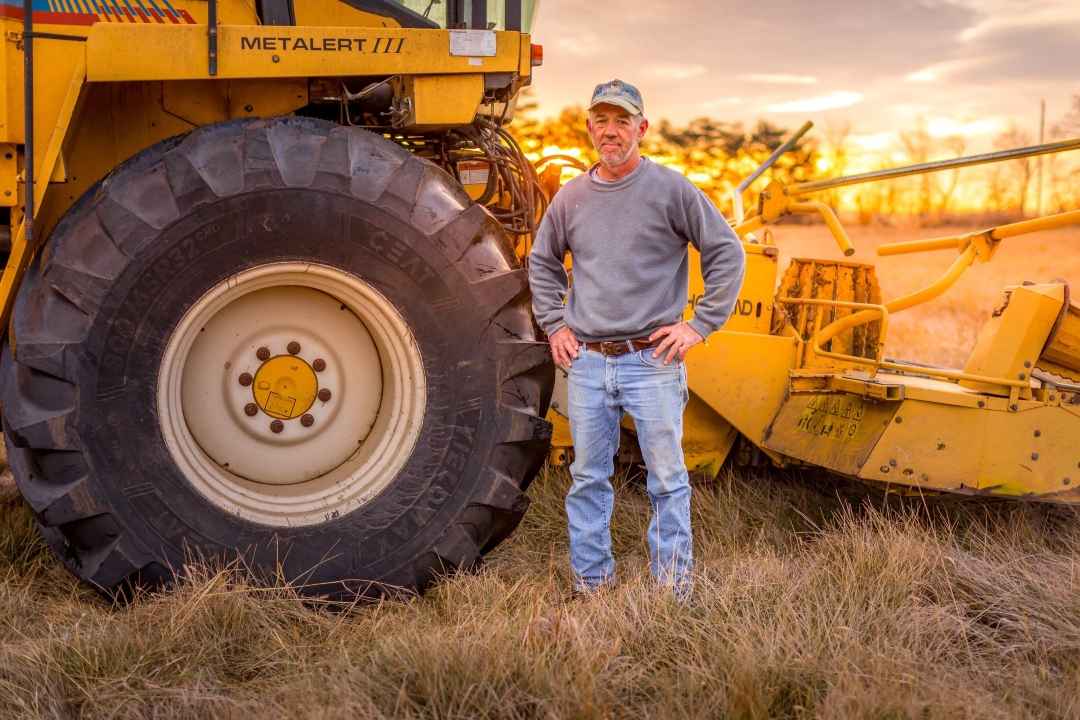
Fuel Costs Still Matter
Diesel remains one of the largest operating expenses on many farms. Even modest improvements in traction, rolling resistance, and tire footprint can contribute to better fuel efficiency throughout the season. Tires operating at the proper inflation pressure and designed to maximize traction reduce wheel slip, allowing more engine power to be transferred to the ground instead of being wasted.
Across hundreds of operating hours across multiple machines, those incremental savings can become meaningful.
Protecting the Soil
Input costs don't end with fertilizer purchases. When fertilizer prices remain elevated, farmers naturally want to maximize the return from every pound of nutrients applied to their fields. Soil compaction can reduce root development, water infiltration, and crop performance, limiting the effectiveness of those expensive fertilizer applications.
That's another reason advanced tire technology has become increasingly important.
Increased Flexion (IF) and Very High Flexion (VF) tire technologies allow operators to carry heavy loads at lower inflation pressures, creating a larger footprint that distributes weight more evenly across the soil. The result is reduced compaction while maintaining load-carrying capacity.
Protecting soil structure isn't simply an agronomic objective — it is an economic one.
Technology Doesn't Have to Mean Premium Pricing
Historically, many farmers assumed they had only two choices: purchase a premium-priced tire featuring the latest technologies or settle for a lower-cost tire with fewer performance advantages.
Today's marketplace offers another option. Manufacturers such as CEAT Specialty have focused on delivering many of the industry's latest agricultural tire technologies — including IF and VF designs, advanced tread compounds, durable casing construction, and engineered tread patterns — at price points that provide exceptional value.
That approach allows producers to gain the productivity benefits associated with advanced tire technology without necessarily paying the highest price in the marketplace.
For farmers managing tight operating budgets, that combination can make a meaningful difference.
Making Better Purchasing Decisions
When evaluating agricultural tires, farmers should ask dealers several important questions:
- How many operating hours can I realistically expect?
- What is the tire's reputation for durability and reliability?
- How does it perform in terms of traction and fuel efficiency?
- Does it incorporate IF or VF technology?
- Will it help reduce soil compaction?
- What will my cost per operating hour be during the tire's expected life?
Those questions often provide more meaningful answers than simply comparing purchase prices. For today's producers, that total cost of ownership approach is becoming one more way to protect margins in an increasingly challenging agricultural economy.