Regenerative Agriculture and USDA’s New Pilot Program
What It Really Means for Farmers
The U.S. Department of Agriculture’s new $700 million Regenerative Agriculture Pilot Program arrives with a lot of attention and a name that sounds big. But for most producers, the real question is simple: Does this change anything on the farm, or does it just make the paperwork easier?
Farmers already understand soil health. They work with it every day. What USDA is offering here is not a new set of practices — it’s a new way of accessing conservation support. This article explains regenerative agriculture in plain terms and breaks down what the pilot program actually does, what it does not do, and what it means for farm operations going forward.
What Regenerative Agriculture Means on the Ground
Regenerative agriculture may sound technical, some may even say fancy, but the principles behind it are familiar. These are practices most farmers already use to protect their land and keep fields productive year after year. At its core, regenerative agriculture focuses on:
-
Keeping topsoil in place and reducing loss during wind and rain
-
Improving water retention so soil holds moisture instead of shedding it
-
Reducing erosion across fields and pastures
-
Building soil structure over time
-
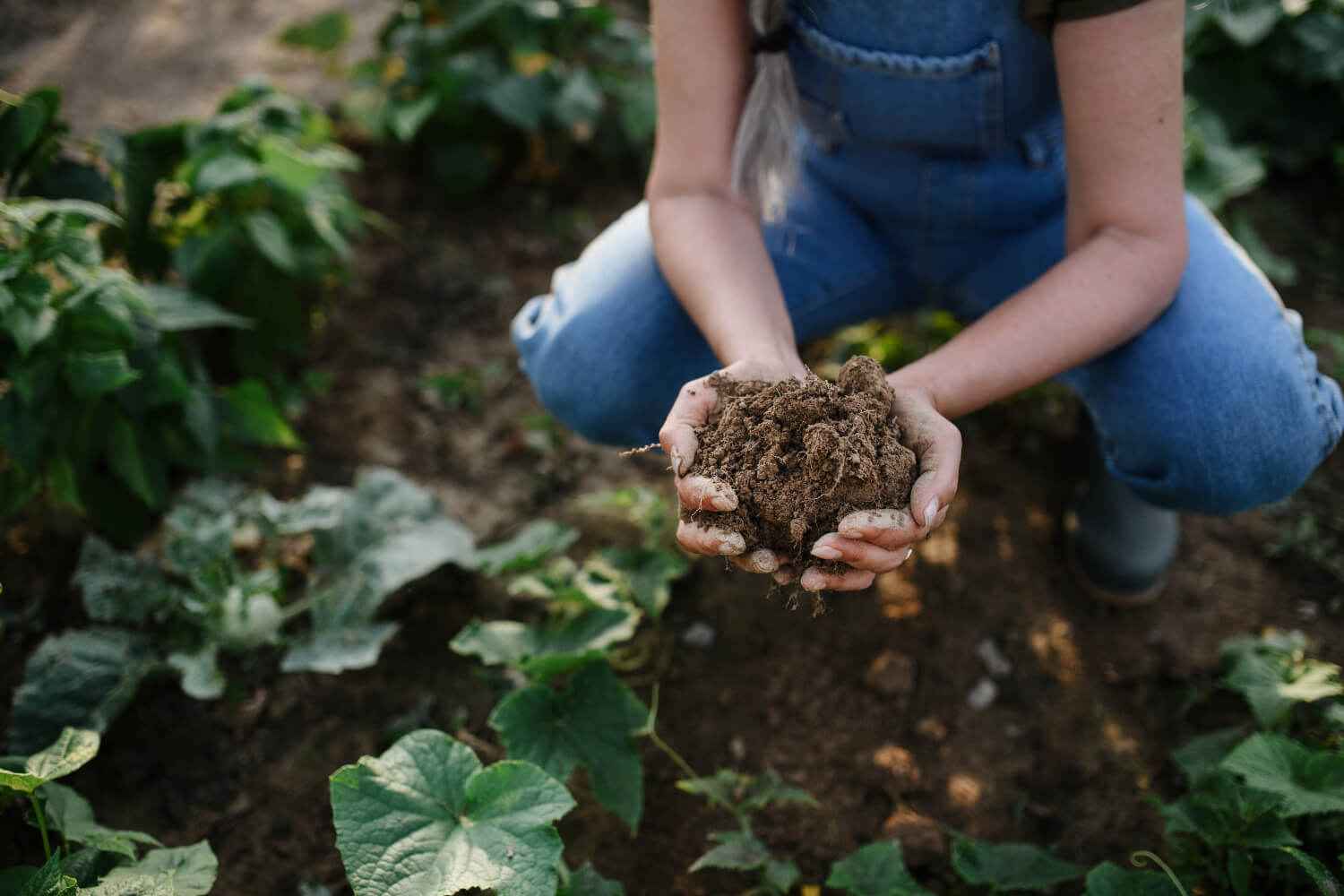
Supporting crop strength by maintaining healthy, biologically active soil
These ideas are well established. USDA conservation programs have encouraged them for decades, and farmers have applied them long before the term “regenerative” became popular.
Where USDA Programs Fit In Now
Historically, producers seeking conservation support worked through two programs under USDA’s Natural Resources Conservation Service (NRCS):
-
EQIP (Environmental Quality Incentives Program) — cost-share assistance for implementing practices
-
CSP (Conservation Stewardship Program) — payments for maintaining and enhancing conservation across the farm
These programs fund meaningful work, but they also come with complex forms, long waits, and multiple entry points. For many producers, particularly small and beginning operations, the paperwork itself has been the biggest obstacle.
What the New Pilot Actually Changes
The most significant change is administrative. Instead of applying separately for EQIP, CSP, and other opportunities, producers now complete one streamlined, whole-farm application. This is designed to reduce confusion, shorten turnaround times, and make conservation support more accessible.
Key features of the pilot include:
-
A single application covering multiple conservation pathways
-
Whole-farm planning, allowing producers to bundle several practices into one plan
-
Less paperwork and simpler navigation
-
Expanded access for newer and smaller operations
-
Funding drawn from existing EQIP and CSP dollars, not a new pool (U.S. Department of Agriculture, 2025)
In short, USDA did not invent new regenerative practices. It reorganized how producers apply for support to implement them.
Financial Impact for Producers
While the pilot does not create new payment rates or additional conservation programs, it may help producers in several practical ways.
More successful applications.
A simpler process reduces drop-off and opens the door for more producers to participate.
Bundled practices may increase total support.
Whole-farm planning can allow multiple eligible practices to be supported under one plan.
Less administrative time.
A clearer, faster application process means fewer hours spent navigating forms.
Potential long-term cost savings.
Improved soil health can reduce reliance on fertilizers, irrigation, and erosion control measures, depending on region and operation.
It is important to note: this is not new money. It is easier access to the money available through EQIP and CSP.
What the Program Does Not Change
Despite the new framing, the pilot does not:
-
introduce new conservation techniques,
-
raise payment levels,
-
replace legacy programs, or
-
create new requirements for producers.
The agronomic side remains the same. The difference is in how farmers access support.
Is the Program Groundbreaking?
From a farming standpoint, the pilot is not a breakthrough. The soil health principles under the regenerative label have been part of U.S. agriculture for generations.
From an administrative standpoint, however, this program is a notable shift. The single-application model may reduce a long-standing barrier for producers who want conservation support without navigating excessive red tape.
In practical terms, the program’s success will be measured by how well it works at the farm level. If it makes conservation support more accessible — especially for smaller and beginning operations — it could inform future USDA improvements.
As many producers might put it, “The farming isn’t new. The forms are.
References
ATTRA Sustainable Agriculture. (2025). USDA announces regenerative pilot program.
National Sustainable Agriculture Coalition. (2025). USDA conservation program reform and farmer access challenges.
United States Department of Agriculture. (2025, December 10). USDA launches new regenerative pilot program to lower farmer production costs and advance MAHA agenda [Press release].
United States Department of Agriculture, Natural Resources Conservation Service. (2025). Conservation Stewardship Program (CSP). USDA.
United States Department of Agriculture, Natural Resources Conservation Service. (2025). Environmental Quality Incentives Program (EQIP). USDA.