Rural Logistics: Solving Harvest Bottlenecks
Map your Harvest Flow from Field to Sale
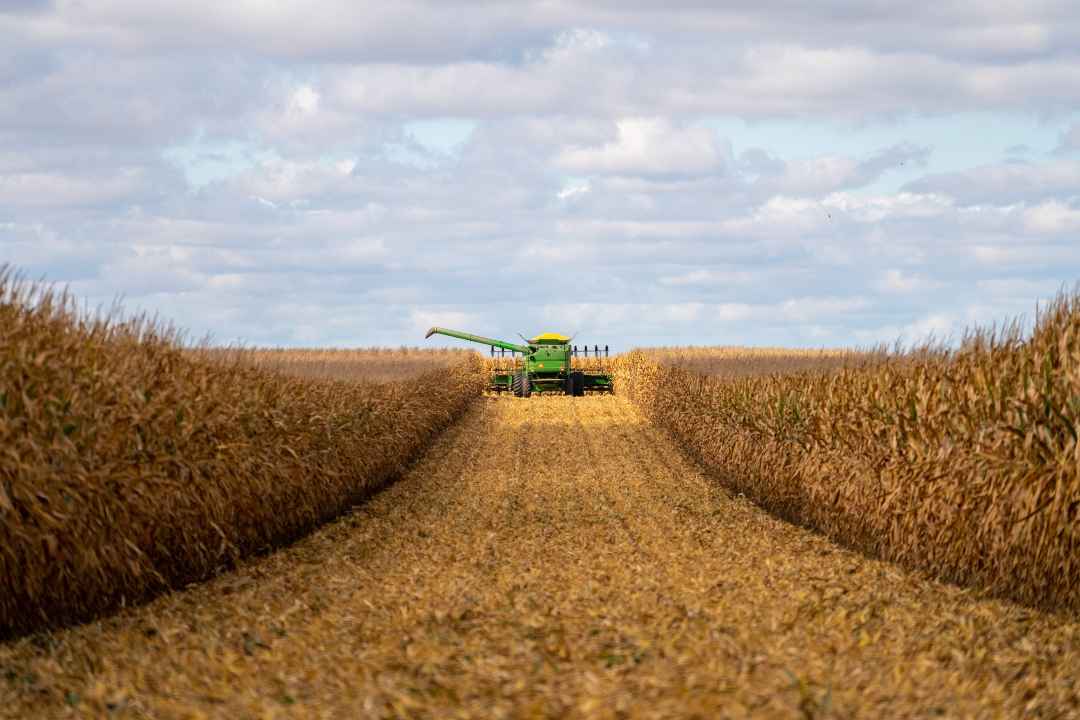
A good crop in the field is only half the battle. The other half is moving it, weighing it, hauling it and storing it before the weather turns. Any point where that flow slows down is a harvest bottleneck. It might be a truck that never shows, a labor gap, a broken part or a full bin. Each one costs time, money and sometimes quality. Five pressure points trip up most operations.
Transportation & Hauling
Getting crop from the field to storage or market is usually the tightest squeeze of all. During peak weeks, every operation in the county needs trucks simultaneously. Freight and fuel costs climb, rural roads and weight limits slow the haul and driver shortages make hiring harder than ever.
Mike Erickson, founder and CEO of the logistics consulting firm AFMS, has spent three decades watching this play out. "From the beginning, I've seen that the biggest harvest bottlenecks usually start with poor transportation coordination and volatile carrier pricing. Shippers often wait too long to negotiate rates, leaving them vulnerable to sudden capacity shortages and unexpected carrier fees when the peak window hits."
His fix starts well before the first acre is cut. "To keep things moving, even smaller operations must benchmark their transport agreements and audit invoices before the rush begins. Leveraging data-driven analysis, a strategy that has helped AFMS save over $4.5 billion for thousands of clients, allows us to secure competitive shipping terms when resources are tight," Erickson says.
The takeaway: line up haulers early, know your rates and give drivers the tools to stay rolling.
Labor Shortages
Fewer seasonal workers show up each year, and the competition for skilled help keeps growing. Family operations feel it hardest when the extra hands just aren't there. Add in the training gap for running modern equipment safely, and one absence can stall the whole line.
Two habits soften the blow. First, cross-train your crew so no singular person is the only one who can run a critical machine. When someone calls in sick or takes a day off, the work keeps flowing. Second, lean on your neighbor networks. Shared-labor arrangements during crunch time have kept rural communities afloat for generations, and they still work.
Equipment Coordination
Machinery timing can keep everything humming or grind it to a stop. It's a domino effect. A combine that outpaces the grain carts creates a backup. Carts that outpace the trucks create idle time on the other end. The whole chain (harvester, cart, truck and dryer) needs to keep pace with each other.
This is also where measurement points quietly eat your day. Matt Walz, third-generation president of Walz Scale & Scanner, has watched these slowdowns for nearly 60 years. "The harvest bottlenecks I see most often start at measurement points: overloaded trucks, slow scale tickets, unclear bin assignments and delays deciding where wet versus dry grain should go."
His advice is to treat your systems as if it were game day before game day arrives. "Before harvest, I'd test every scale, printer, display, ticketing setup and operator workflow like it's already go-time. Preload truck IDs, field names, farm accounts and destination codes so nobody is hand-writing or guessing when the line is backing up," Walz says.
"The best technology is the kind that removes a decision during crunch time. For example, volumetric load scanning with 3D imaging can help confirm what is actually in an open-top truck before it leaves. At the same time, NTEP-certified legal-for-trade scales keep weights defensible when grain is moving fast," Walz adds.
Pair that with pre-harvest maintenance checks, a stock of critical spare parts and simple field radios or apps to keep machines synced.
Storage Capacity
When the crop comes in faster than you can store it, everything backs up behind it. On-farm bin space fills quickly, and commercial elevators have their own lines. Drying capacity becomes a hidden bottleneck, especially when wet years and short storage periods increase the risk of spoilage, shrinkage and quality loss.
For smaller operations, Walz sees a clear win in cutting wasted time at the bin. "For smaller operations, the biggest win is usually reducing 'empty waiting.' A rented portable scale, a simple shared dispatch sheet and clear delivery windows can keep trucks cycling instead of sitting at the bin, elevator or field edge," Walz says.
Plan your storage strategy before harvest starts. Decide early whether you're selling at harvest or holding for a better price and know where the wet grain goes.
Timing & Weather Windows
A narrow weather window forces every other system to perform at once. Wait too long, and you risk lower quality, field losses and missed market chances. Push too hard through long, tired days, and safety slips. The goal is balance. Build flexibility into your schedule so one rainy week doesn't unravel the whole plan.
Putting It Together: A Logistics Game Plan
Smooth logistics protect both your crop quality and your profit. Here's a simple plan you can save and use:
- Map your flow from field to sale and find the slowest link.
- Line up haulers, labor and storage commitments early, before the rush.
- Benchmark rates and audit invoices so you're not overpaying under pressure.
- Test every scale, printer and workflow before harvest and preload your data.
- Build backup plans for equipment failure and weather delays.
- Track this season's bottlenecks so you can plan smarter next year.
Harvest asks everything of you at once. But the operations that come through it best aren't the ones with the biggest equipment; they're the ones that planned the flow as carefully as they planned the crop. Small adjustments now can prevent big losses later. Treat your logistics with the same respect you give the field and you'll keep the grain moving when it matters most.