Spring Planting Prep: Avoiding Downtime and Mistakes
A Maintenance & Setup Guide for Planters, Sprayers & Tillage Tools
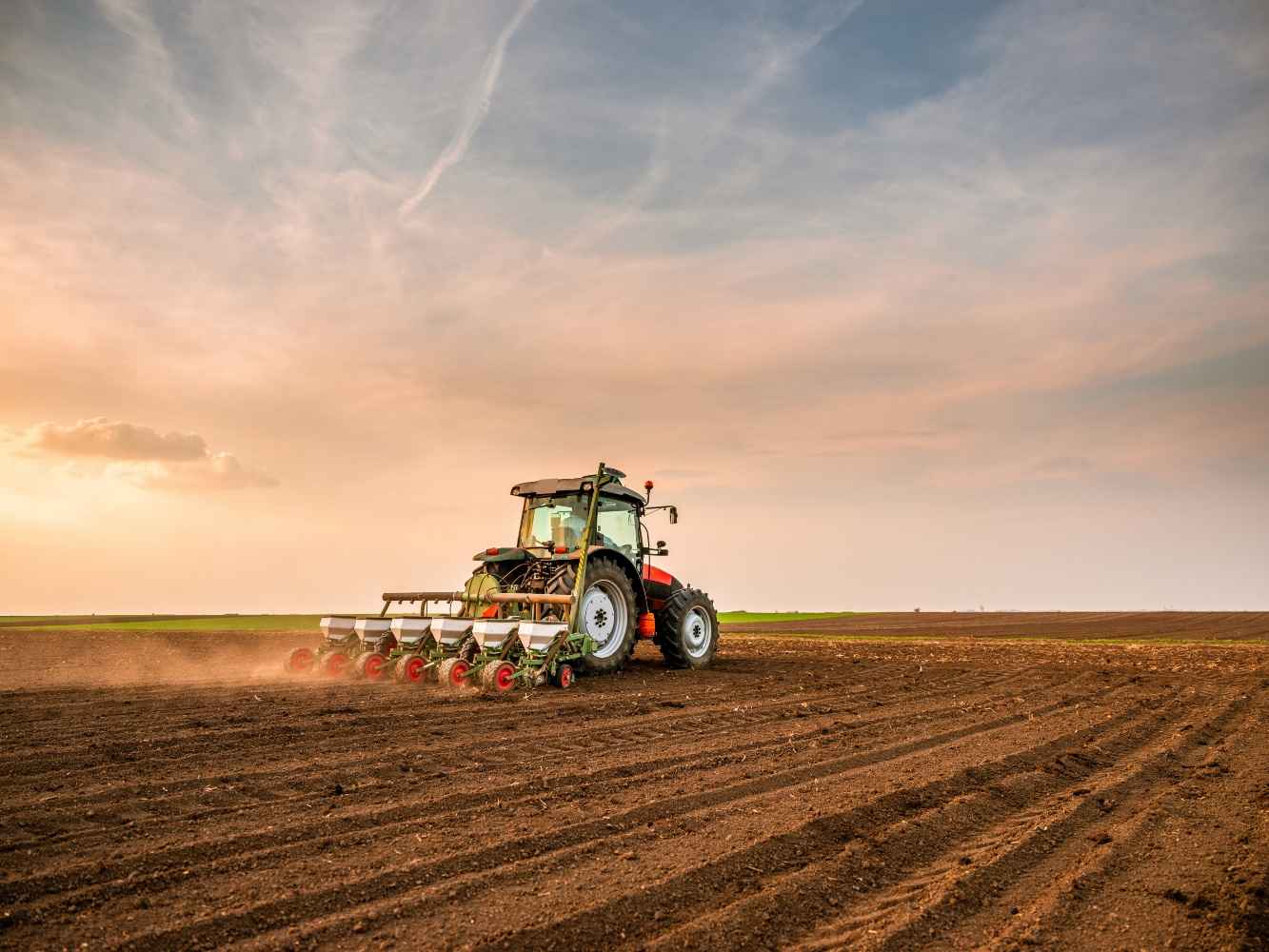
When planting season arrives, every hour in the field counts. A breakdown on day one can cost you days of prime conditions and bushels at harvest. The good news is that most springtime equipment failures are preventable. A focused pre-season maintenance routine across your planters, sprayers and tillage tools can keep you moving when the window opens and protect the yield potential you’ve been planning for all winter.
Planters: Where Precision Starts
Your planter is the most precision-critical implement on the farm. Variability in seed placement and emergence can knock several bushels per acre off your corn yield, and the root cause is often traceable to deferred maintenance on drive chains, seed meters or row unit components.
Start with a thorough cleaning. Vacuum out each row unit and remove residue from seed tubes, fertilizer delivery systems and insecticide hoppers. Seed treatment buildup can throw off vacuum pressure and singulation if it isn’t addressed before the first fill. If you run a bulk fill system, don’t overlook the fan and inductor area — dust and debris accumulate there in winter and can restrict seed flow to outer rows.
Next, inspect your seed meters. Check plates or discs for warping, cracks or wear grooves. On vacuum meters, examine dust seals at every hose joint and plate interface; even a small leak degrades singulation. Finger-pickup meters need close attention to stretched springs and cracked fingers. If possible, run your meters on a dealer’s test stand before heading to the field.
Check disc openers for diameter. Most manufacturers recommend replacement at 14.5 inches. If you’re facing heavy acreage and your openers are borderline, replace them now rather than risk poor furrow quality mid-season. While you’re at each row unit, inspect gauge wheel bearings, verify closing wheel condition, check down-pressure spring tension and confirm seed tube integrity, especially at the bottom where worn discs accelerate damage.
Don’t stop at mechanical components. Update planter monitor firmware, verify GPS connections and run a pre-season field test at low speed to confirm downforce, depth and spacing settings before conditions get urgent.
Sprayers: Clean Systems, Accurate Applications
A poorly maintained sprayer doesn’t just waste products — it can injure crops, compromise pest control and create liability issues with drift-sensitive products such as dicamba and 2,4-D formulations that carry strict nozzle requirements.
Begin with a full plumbing flush. Even if you rinsed last fall, residue can dry and harden in hoses, end caps and agitation lines during winter. Run clean water through the system with the nozzles off first, then flush through the nozzles. Inspect every strainer on the chassis and boom. Clogged strainers create pressure differentials that produce uneven application rates across the boom width.
Nozzle inspection is non-negotiable. Run the sprayer with water and check the flow through each tip individually. Review the products you plan to apply this season and confirm your nozzle selection meets label requirements — some herbicide labels approve only a handful of specific nozzle types.
On the mechanical side, inspect hydraulic hoses and cylinders for leaks, grease all boom suspension joints and evaluate tire condition and inflation. Pull the air cleaner and check for animal nests. Mice and birds are known to set up housekeeping in stored equipment. Finally, remove and clean the flow meter insert. A sticky flow meter throws off rate controllers and can silently compromise application accuracy across every acre you cover.
Tillage Tools: The Foundation of a Good Seedbed
Tillage equipment often gets overshadowed by planters when it comes to spring prep, but neglecting even small issues on a disc harrow, field cultivator or chisel plow can cascade into uneven seedbeds, extra field passes and wasted fuel.
Start with a walk-around inspection of the frame. Look for cracked welds, bent sections or metal fatigue. Even a slight twist can produce significant tillage variation from one end of the implement to the other. Check the hitch and leveling mechanism, and note settings with the tool in the ground.
Inspect every soil-engaging component: disc blades, chisel points, sweeps and cultivator shanks. Worn cutting edges increase draft requirements and leave an uneven finish. Replacement frequency depends on your soil type. Sandy or rocky ground wears steel much faster than loamy soils. Stock replacement parts in advance so a backordered sweep doesn’t sideline you during planting week.
Check down-pressure springs for even adjustment and replace any that are cracked or broken. Verify that tires are the same size and properly inflated, inspect wheel bearings and lubricate every grease fitting with special attention to pivot points and chains that dried out in winter. Before your first pass, confirm your tractor is properly ballasted for the implement you’re pulling.
The Bigger Picture
Across all three equipment categories, a few universal principles apply. Keep critical spare parts on hand — such as disc blades, hydraulic seals, bearings, nozzle tips and common fasteners — and stock them before the spring rush. Maintain a service log for each implement that tracks hours, parts replaced and performance issues so you’re not guessing for next year.
Today’s planters and sprayers are more sophisticated than they were a decade ago, and manufacturer resources, including anything from inspection checklists to setup videos, are more accessible than ever. A few hours of focused maintenance now translates directly into more acres planted on day one, fewer mid-season breakdowns and stronger yields at harvest. The planting window doesn’t wait. Make sure your equipment is ready when it opens.