Supporting Farmers Beyond the Field
Resources & Conversations Strengthen Rural Mental Health
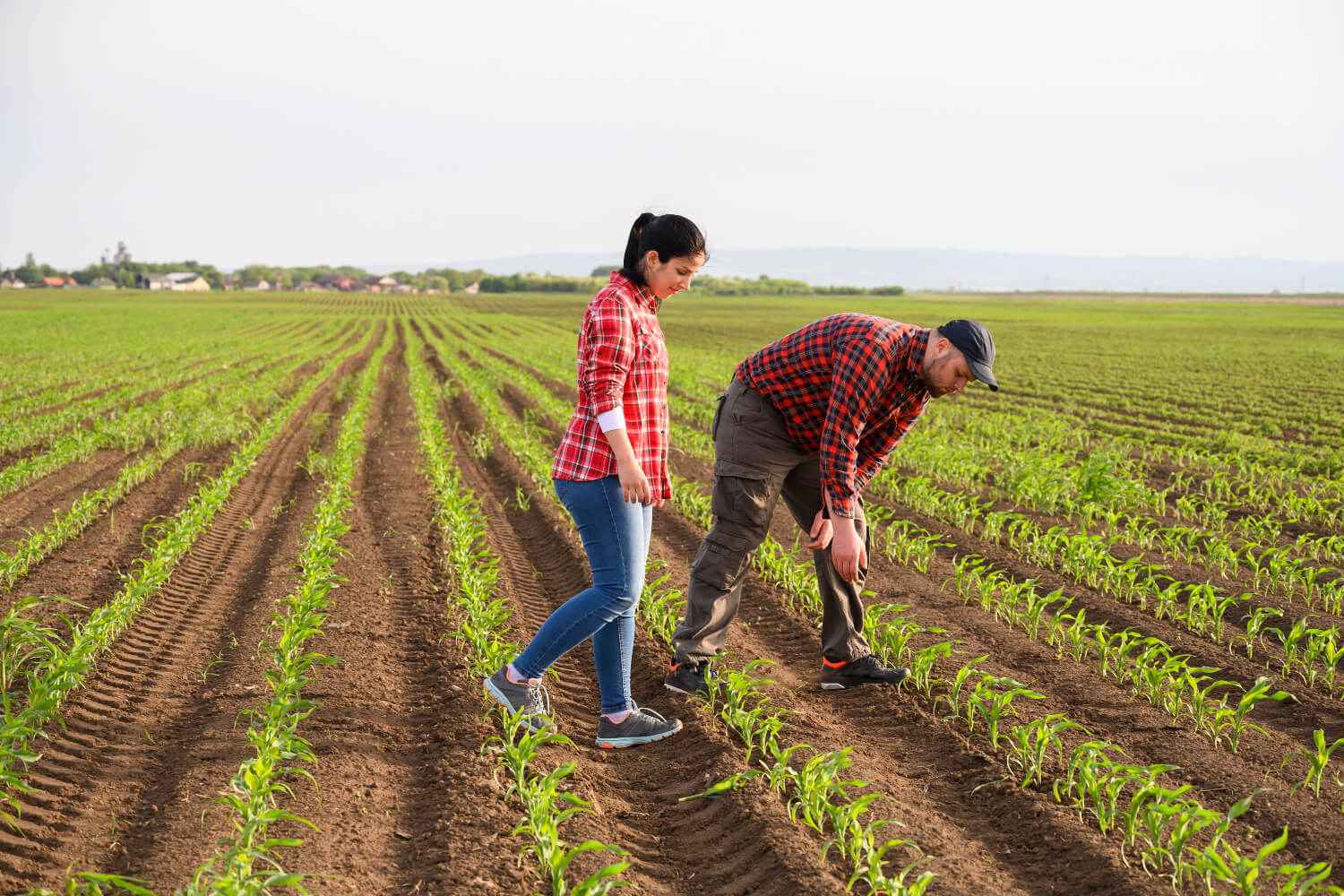
Spring brings the promise of fresh beginnings. However, the season can also carry an incredibly heavy burden of stress. Farmers face variable weather, fluctuating market prices and long, grueling hours. These pressures can take a severe toll on their well-being.
With May being Mental Health Awareness Month, it’s important to turn our attention to the people who feed our nation. Multiple studies reveal a heartbreaking reality: farmer suicide rates are two to five times higher than the national average.
This crisis requires immediate attention and actionable solutions. Carol Anderson, program director at Rural Minds, told Farmers Hot Line that the organization explores the unique challenges farmers face and the practical mental health resources available.
The Heavy Burden on Our Farmers
Farmers face significant uncertainty even in the best years. They plant seeds in the ground every spring without knowing what the weather will do. They face unforeseeable disease or pest pressures, and they often cannot predict the price their crops will bring at harvest.
Financial pressures from trade issues, tariffs and shifting market prices add to this daily stress. Furthermore, farming is much more than a job. It is a deeply ingrained lifestyle.
"Ongoing business pressures are often linked emotionally to keeping the family farming legacy alive for future generations," explains Anderson. "The pressures of farming are overwhelming. Financial stress, unpredictable weather patterns, long hours, isolation and uncertainty about the future can take a serious toll on mental health."
These unique pressures increase anxiety, depression and substance use. In fact, research shows that farmers are 3.5 times more likely to die by suicide compared to the general population. According to the American Farm Bureau Federation, more than 60% of U.S. farmers and farm workers have reported increased stress and mental health challenges in recent years.
Introducing the Farmer Mental Health Resilience Program
Despite these staggering numbers, limited access to mental healthcare and privacy concerns often keep farmers from getting help. A strong rural culture that values self-reliance over asking for assistance also creates a barrier.
"Farmers and farm families are the backbone of this country, as they provide essential food, fiber and fuel while supporting 20% of U.S. economic activity and millions of jobs," says Anderson. "And often, their health and well-being are overlooked."
To address this gap, Rural Minds launched the Farmer Mental Health Resilience Program. This initiative provides farmers, ranchers and their supporters with confidential online access to reliable mental health resources at no cost, intending to break down the barriers that prevent them from seeking care.
The program is designed specifically to offer real-world support tailored to the unique pressures of farming. Participants can access:
- Practical mental health fact sheets
- Educational videos detailing farmer mental health challenges
- Suggestions for starting meaningful conversations with someone who may need help
The Power of Community Support
Combatting the mental health crisis among farmers begins with breaking down the stigma surrounding mental illness. This stigma is often much greater in rural communities than in urban areas.
Rural communities are close-knit and take great pride in being self-sufficient. To honor that rural "can-do" attitude, Rural Minds also introduced the Rural Mental Health Resilience program.
"The program is essentially a 'meeting in a box' where rural residents can access a wide selection of free mental health information, training and resources," Anderson says. "These materials help them become part of the solution to improving mental health in their communities."
Community members can use these materials for one-on-one conversations. They are also perfect for informal group gatherings at local churches, schools or civic centers. By talking openly about mental wellness and the signs of mental illness, neighbors can create a vital safety net for one another.
Improving Accessibility to Care
The 46 million people living in rural America face a severe lack of access to mental health resources. The American Journal of Preventive Medicine estimates that nearly 65% of rural counties lack even one psychiatrist.
While telehealth counseling offers promising potential, its effectiveness depends heavily on adequate broadband internet access. Unfortunately, reliable internet is not universally available across rural farming communities.
Because clinical access remains a challenge, local support systems become even more critical. "We have found the best way to reduce the stigma and increase understanding is through information, education and conversation," shares Anderson. Equipping residents with the right tools ensures that help is always nearby, even if the nearest clinic is hours away.
Ask the Hard Questions
If you notice behavioral changes, take the time to ask how they are doing. Do not be afraid to ask directly if they have considered harming themselves.
While you might feel awkward asking such a blunt question, research shows that this simple act can have lasting positive effects and even save a life.
If you are concerned for someone's safety, stay with them. Call the national suicide hotline at 988. This free, confidential service connects callers with trained mental health counselors 24 hours a day, 365 days a year. If your loved one is experiencing a life-threatening emergency, call 911 or go to the nearest hospital emergency room immediately.