USDA APHIS Announces $12 Million for CWD Control and Research
USDA APHIS announces $12 million in funding to support chronic wasting disease research, prevention and management efforts.
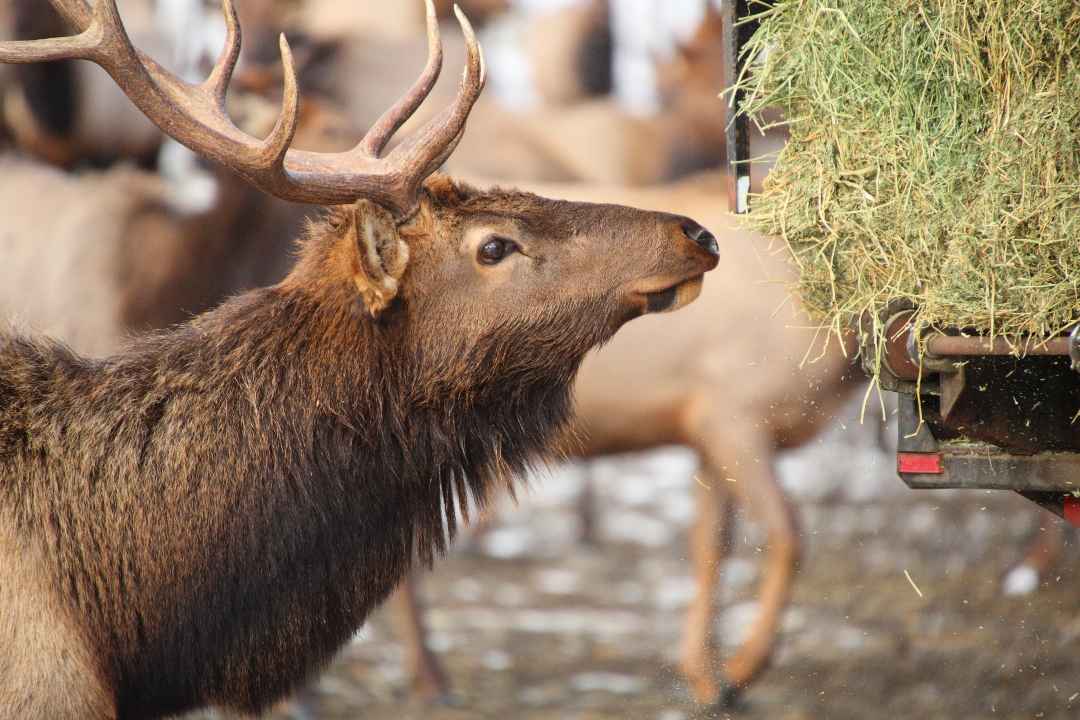
The U.S. Department of Agriculture (USDA) Animal and Plant Health Inspection Service (APHIS) announced it will provide approximately $12 million in funding to support chronic wasting disease (CWD) prevention, research and management efforts involving wild and farmed cervids, including deer and elk.
According to APHIS, the funding will support projects led by states, Tribal governments, universities and research institutions focused on controlling and preventing the spread of CWD.
“Chronic wasting disease poses a serious threat to U.S. wildlife and agriculture. This funding reflects our commitment to working collaboratively with States, Tribes and research partners to develop innovative solutions and protect the health of our nation’s cervid populations,” said Dr. Alan Huddleston.
What Farmers and Cervid Producers Need to Know
APHIS said approximately $6 million will support projects focused on controlling and preventing CWD in farmed cervids. Another $5.5 million will go toward research and management efforts involving wild cervid populations, while approximately $500,000 will support prevention and management activities on Tribal lands.
The agency stated that funding will be awarded competitively to projects that develop new tools and methods for disease control, strengthen state and Tribal response programs and provide indemnity payments to cervid owners with pending claims.
Understanding Chronic Wasting Disease
CWD is an infectious neurological disease affecting cervids such as deer and elk. The disease causes degeneration of brain cells and is fatal to infected animals.
APHIS noted that infected animals may appear healthy for long periods because the disease has a lengthy incubation period. During that time, animals can still spread the disease to others, making detection and control more difficult.
The agency also stated that previous cooperative agreements have supported projects involving predictive genetics for breeding less susceptible deer, removal of infected farmed herds, expanded diagnostic testing, increased surveillance of wild cervid populations, hunter education efforts and carcass disposal programs aimed at limiting disease spread.
APHIS said the latest funding opportunity will allow state agriculture departments, wildlife agencies, Tribal governments, universities and research institutions to continue advancing CWD research, management and response activities.