USDA, DOI Announce Agreement to Support Ranchers and Grazing on Public Lands
USDA and DOI sign agreement to streamline grazing on public lands and support U.S. ranchers.
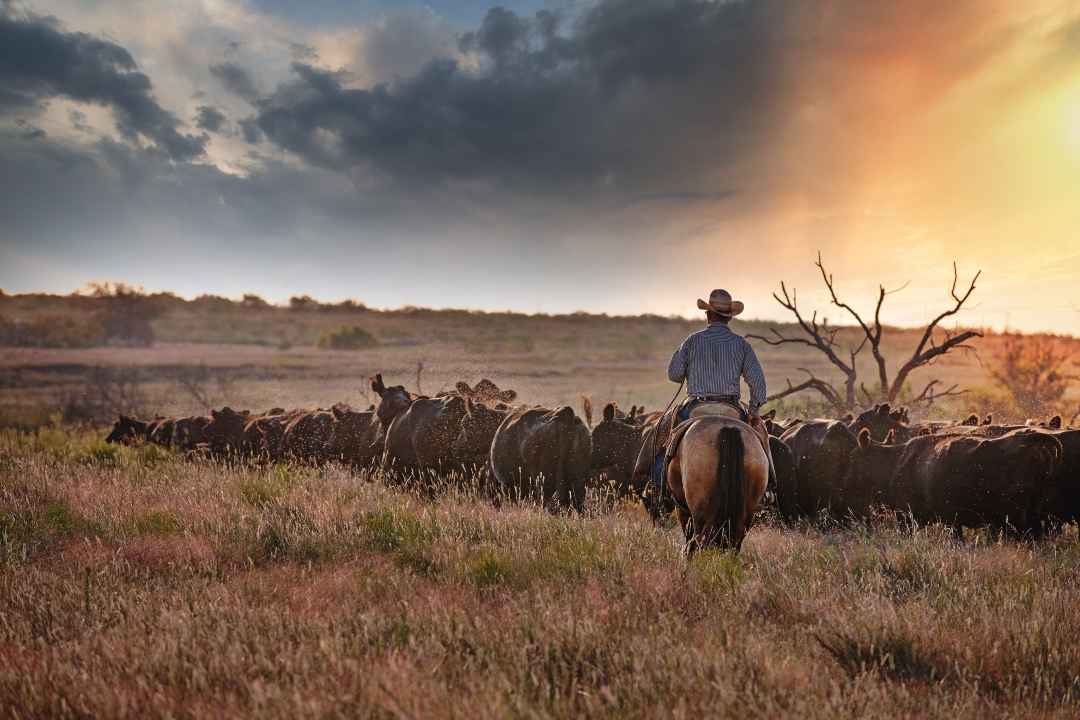
The U.S. Department of Agriculture (USDA) and the Department of the Interior (DOI) have signed a new agreement aimed at improving grazing management on federal lands and supporting American ranchers. The Memorandum of Understanding (MOU) strengthens coordination between the USDA Forest Service and the Bureau of Land Management (BLM).
The agreement builds on USDA’s Grazing Action Plan and focuses on streamlining processes, improving communication and increasing efficiency for ranchers who rely on public lands.
“Today’s signing sends a clear message: the Trump Administration is putting America’s farmers and ranchers first,” said Secretary Brooke L. Rollins. “Building on our action plan for American ranchers announced in the fall, the Forest Service and Bureau of Land Management are already delivering. This is another example of President Trump eliminating costly bureaucracy in order to lower consumer prices. Our public lands are there for the people, and this action demonstrates the commitment at USDA and the Department of the Interior to improve our services so farmers and ranchers who use public lands can run more efficient operations.”
“The Grazing Action Plan is built on a collaborative partnership dedicated to strengthening ranching operations while safeguarding our public lands,” said Secretary Doug Burgum. “By working closely with American ranchers, we are enhancing communication, investing in innovation and modernizing our approach to land management practices to deliver real results for the people who feed and sustain this country. In coordination with the Department of Agriculture, the Trump administration is advancing actions designed to support farmers and ranchers - securing a more resilient future for grazing on public lands and protecting America's ranching heritage for generations to come.”
What Ranchers Need to Know
The agreement introduces several changes that may affect producers using federal grazing lands:
- Streamlined permitting and processes aimed at reducing delays for grazing permits, infrastructure improvements and emergency response actions
- Expanded collaboration between agencies and ranchers through structured engagement and improved communication
- Ranch immersion programs placing federal employees on working operations to better understand real-world challenges
- Improved data systems to make grazing allotment information more accessible and predictable
- Expanded use of tools such as targeted grazing to help reduce wildfire risk
- Support for reopening vacant grazing allotments and adoption of technologies such as virtual fencing
- Creation of Grazing Permittee Wildfire Liaisons to improve coordination during wildfire response and recovery
- A stated goal of maintaining grazing capacity, including no net loss of Animal Unit Months within allotments, consistent with applicable law
Public Lands and Ranching Impact
More than 20,000 ranchers and farmers across 28 states use federal lands for grazing. The Forest Service and BLM oversee approximately 240 million acres of rangeland and administer more than 23,000 permits and leases across about 29,000 allotments.
About 24 million acres of allotments are not currently under permit and are identified as potential opportunities for expanded grazing
Livestock grazing on federal lands continues to contribute to rural economies:
- National forests and grasslands grazing supports about 14,200 jobs and contributes $645 million to U.S. GDP annually
- Grazing on BLM lands generates $2.7 billion in economic output, supports 35,000 jobs and contributes $700 million in labor income