USDA Launches Small Processors Action Plan and Expands Funding
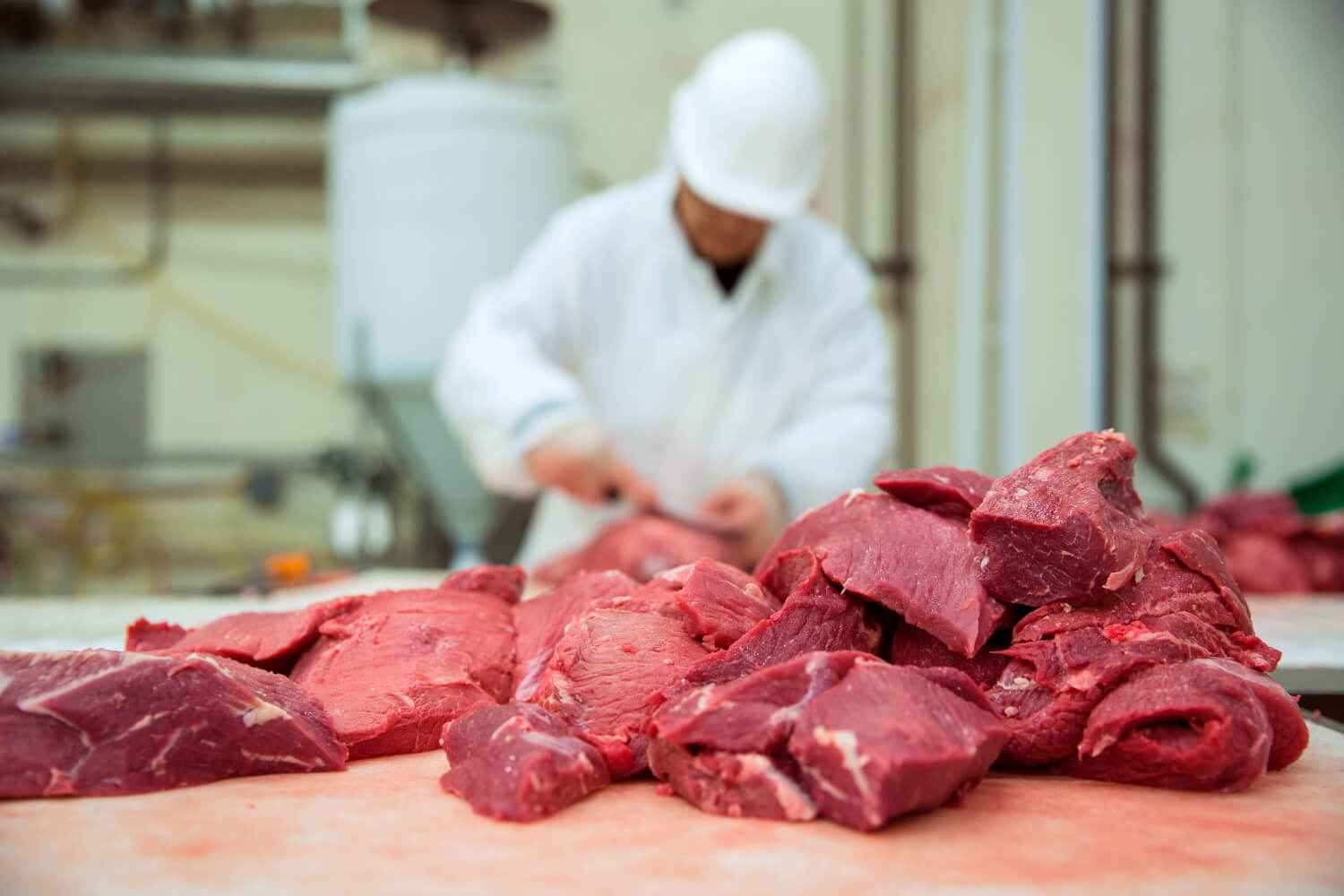
The U.S. Department of Agriculture announced a new Small Processors Action Plan and opened applications for an additional $60 million in funding through the Meat and Poultry Processing Expansion Program (MPPEP).
According to USDA, the Small Processors Action Plan is intended to support small and very small meat and poultry processing plants by improving customer service, reducing regulatory burdens and maintaining food safety protections. The agency said the initiative is designed to help processors interact more efficiently with USDA, obtain timely responses and resolve issues more effectively.
“Today’s announcement marks another step toward rebuilding our domestic beef industry, the actions contained in the new Small Processors Action Plan modernize USDA’s approach to the people and small businesses who process American locally grown beef and protein. We are removing overly burdensome red tape, improving service, and giving small plants the clarity and support these business need to operate safely, grow, and compete,” said Secretary Rollins. “By expanding local processing capabilities, we’re continuing to bolster our domestic producers, which are central to the President’s Make America Healthy Again agenda.”
“President Trump ended the war on protein. Real American beef is back on the menu,” said U.S. Department of Health and Human Services Secretary Robert F. Kennedy, Jr. “USDA’s Small Processors Action Plan will strengthen our food supply, expand access to high-quality protein, and support American farmers and ranchers. That’s how we Make America Healthy Again.”
USDA said the action plan focuses on three areas:
Improving customer service and responsiveness
-
Creating clearer ways for small plants to submit and track appeals and requests
-
Establishing dedicated support to help businesses navigate USDA processes and receive timely responses
-
Expanding access to assistance for facilities with limited technology or connectivity
Making requirements clearer and easier to navigate
-
Updating and expanding plain-language guidance from the Food Safety and Inspection Service (FSIS) for small and very small plants
-
Improving visibility of support resources, escalation paths and points of contact
-
Launching simplified tools to help plants engage with USDA systems
Reducing unnecessary burden while maintaining food safety
-
Streamlining processes related to FSIS inspection staffing concerns and appeals
-
Improving consistency and clarity through targeted training and guidance
-
Strengthening coordination with the Small Business Administration to increase awareness of available resources
USDA said implementation of the improvements will begin immediately and that the agency will continue engaging with small and very small processors as the changes are rolled out.
In addition to the action plan, USDA's Rural Business-Cooperative Service published a Notice of Funding Opportunity for a fourth round of MPPEP funding. The program will provide $60 million to help eligible meat and poultry processors expand capacity, encourage competition, support sustainable growth and improve supply chain resilience.
Funding will be divided equally between two competitions: one for small and very small processors and another for intermediate processors.
Eligible applicants include for-profit organizations, nonprofit organizations, producer-owned cooperatives, tribes and tribal entities. Privately owned applicants must be independently owned and operated, and all applicants must be domestically owned.
USDA said facilities must be located and operating within the United States or its territories. To qualify, the facility must primarily process cattle, although awarded funds and equipment may also be used for meat and poultry processing activities at the facility.
Additional information and application materials are available through USDA's Meat and Poultry Processing Expansion Program. Electronic applications must be submitted through Grants.gov.