USDA Opens Southwest Agricultural Water Research Center
USDA opens a Tucson research center studying water movement, drought, plant responses, and soil erosion to support Southwest agriculture.
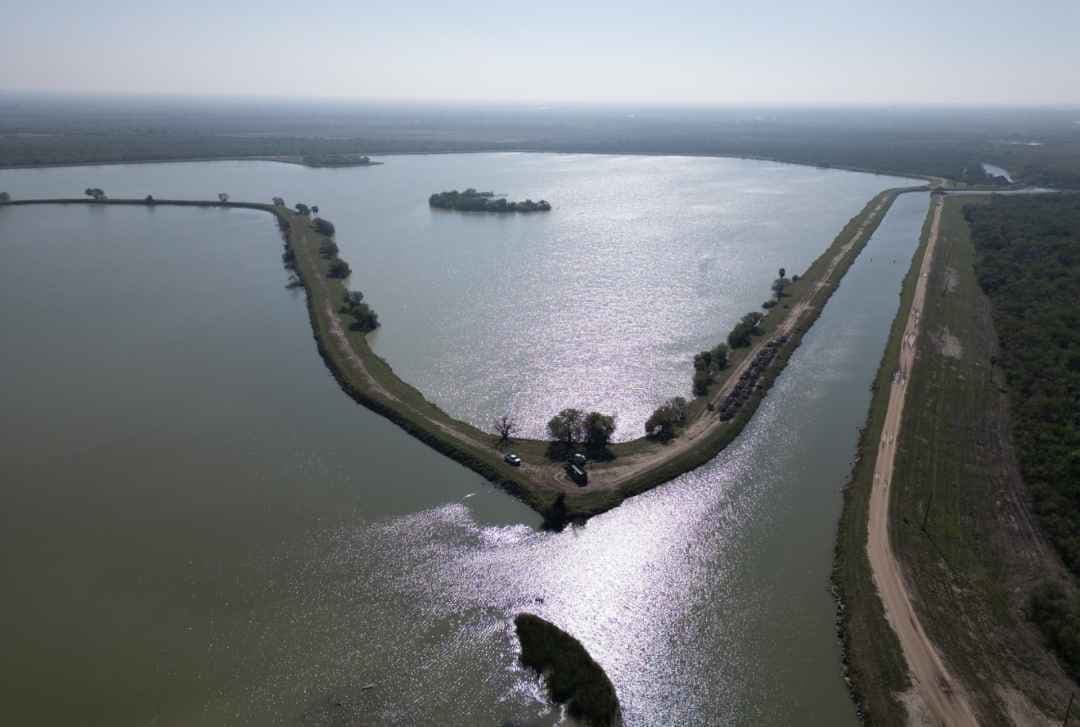
The U.S. Department of Agriculture’s (USDA) Agricultural Research Service (ARS) has opened the Southwest Watershed Research Center in Tucson, Arizona, to study water use, soil erosion, and plant responses to limited water in the American Southwest.
Announced October 27, 2026, the new 15,650-square-foot research complex includes laboratories, collaborative workspaces, and research infrastructure for ARS and University of Arizona researchers.
The research is intended to help farmers and ranchers manage water and soil resources in semi-arid regions, where water availability is an important consideration for agricultural productivity.
“America’s farmers and ranchers need practical solutions that help them produce more and make the most of every drop of water,” said Secretary of Agriculture Brooke L. Rollins. “This new facility gives USDA scientists the tools to tackle the challenges facing producers across the Southwest and turn research into results on the farm and ranch. Investing in agricultural research strengthens American agriculture and helps keep our producers the most productive in the world.”
Research Focuses on Water Use & Soil Erosion
Researchers at the center will study weather patterns, water movement, and soil erosion to develop tools that producers can use to manage land and water resources.
The facility will support field research at two sites: the Walnut Gulch Experimental Watershed and the Santa Rita Experimental Range.
Research methods include rainfall simulators, drought studies, and remote sensing technologies, including drones. Scientists use these tools to measure runoff and erosion, evaluate how plants respond to limited water, and better understand how water moves through the landscape.
“With the opening of the Southwest Watershed Research Center, we are strengthening our commitment to farmers, ranchers, and communities across the American Southwest,” said Dr. Scott Hutchins, USDA under secretary for research, education, and economics and chief scientist. “This new facility will help translate scientific discovery into actionable tools that increase farm profitability in the Southwest.”
Long-Term Research in the Southwest
The center traces its origins to 1951, when the Southwest Watershed Studies Group was established to address soil erosion and natural resource concerns. Researchers selected Walnut Gulch as an outdoor laboratory in 1953 to study water and erosion in the Southwest.
Today, the Walnut Gulch Experimental Watershed remains the most densely instrumented long-term, semiarid experimental watershed in the world.
"ARS is committed to delivering practical, science-based solutions that help America's farmers, ranchers, and producers meet today's challenges and prepare for tomorrow's opportunities," said ARS Administrator Joon Park. “Here in Tucson, our dedicated scientists and staff carry out that mission through research that helps producers across the Southwest conserve water, protect soils, and sustain productive working lands. This new research complex represents an investment in our people and the important work they do, providing the tools and collaborative spaces to build on that legacy and help American agriculture remain productive and competitive for generations to come.”