USDA Outlines Biosecurity Measures to Combat HPAI in Poultry and Dairy Farms
USDA Under Secretary Dudley Hoskins discusses HPAI risks, farm biosecurity assessments, and disease prevention for poultry and dairy producers.
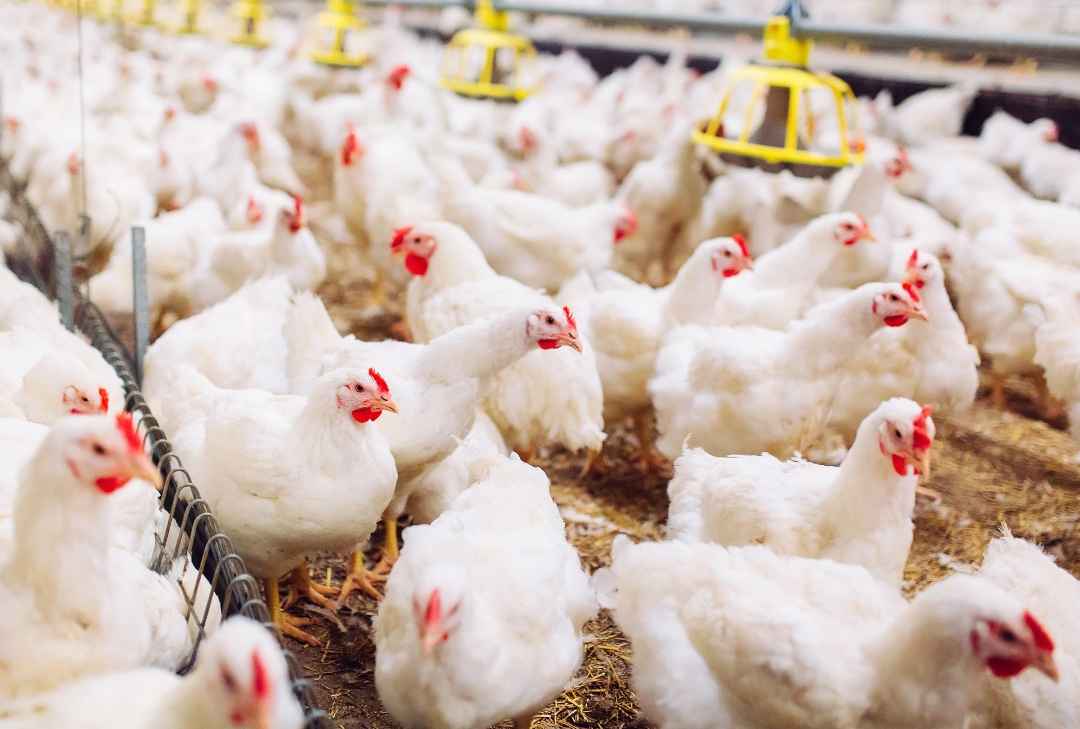
Highly pathogenic avian influenza (HPAI) continues to pose challenges for poultry and dairy operations, prompting ongoing efforts to strengthen farm biosecurity, disease surveillance, and outbreak prevention.
In this opinion piece, Dudley Hoskins, USDA under secretary for marketing and regulatory programs, outlines the department’s response, including voluntary biosecurity assessments, milk testing, and measures producers can take to reduce the risk of virus transmission.
Farmers, in Partnership with USDA, are the First Line of Defense Against HPAI
By Dudley Hoskins, USDA Under Secretary for Marketing and Regulatory Programs
Highly pathogenic avian influenza (HPAI) has tested the resilience of America’s poultry and dairy industries in unprecedented ways. What began as a disease threat to poultry has now spilled over into dairy cattle, creating new challenges for farmers and regulators alike.
One thing has become abundantly clear: farmers, working in partnership with the U.S. Department of Agriculture (USDA), are the strongest defense against this evolving threat. They know their farms, their animals, and the importance of maintaining strong, effective biosecurity. Every day, we stand shoulder to shoulder with them to protect their operations—and the nation—against this threat.
During the 2014–2015 HPAI outbreak, which affected more than 50 million birds in 21 states, USDA scientists learned that 8 in 10 new detections were caused by farm-to-farm spread via everyday movements of workers and equipment. Farmers responded quickly, adopting stringent biosecurity controls that helped curb the outbreak. By 2023, the threat had changed again as HPAI detections continued through the heat of summer for the first time, and data showed most introductions were directly from surrounding wildlife instead of those farm-to-farm movements. In 2024, HPAI was confirmed in dairy cattle for the first time, raising new concerns for herd health and interstate commerce.
USDA’s response reflects the seriousness of this shift. Under the Department’s five‑pronged national strategy, USDA has made historic investments in disease eradication, surveillance, diagnostics, biosecurity, and long‑term preparedness. These efforts strengthen the nation’s ability to protect animal health and maintain a safe, stable food supply.
A cornerstone of this strategy is USDA’s rapid expansion of voluntary biosecurity assessments that offer poultry producers practical, tailored steps to reduce risk. We offer two types of voluntary assessments and will share up to 75 percent of the costs to fix the highest-risk biosecurity concerns identified by the assessments. Since January 2025, USDA’s Animal and Plant Health Inspection Service has conducted more than 5,000 assessments nationwide, including over 1,700 domestic poultry assessments and more than 3,200 wildlife biosecurity assessments. We urge producers to request assessments today by emailing poultry.biosecurity@usda.gov.
These assessments reinforce proven measures such as limiting access to barns, enhancing cleaning and disinfection protocols, and reducing interactions with wildlife that can carry the virus. They also give producers immediate steps to strengthen on-farm defenses, and the results show these efforts matter. On average, operations that completed assessments were less likely to experience subsequent HPAI infections.
While HPAI generally causes less severe illness in dairy cows, infected animals can shed high levels of the virus in their milk. Anything that touches unpasteurized milk — whether by animals, equipment, workers, or vehicles—can spread the virus if proper precautions are not in place. Strengthening protocols for handling milk, managing movements between barns, and protecting feed and water sources from wildlife are essential for controlling on-farm spread.
To detect potential transmission early and reduce the risk of interstate spread, USDA is identifying affected states and herds through our National Milk Testing Strategy, a nationwide surveillance system. Of the 46 states enrolled, 39 have achieved unaffected status as of October 9, 2026.
USDA is also expanding diagnostic laboratory capacity, strengthening field operations and movement-control planning, supporting research on virus transmission and evolution, and evaluating the potential role of vaccines. These forward‑looking actions support long-term preparedness, but they do not replace the steps every farm can take today to combat HPAI: strong biosecurity, vigilant surveillance and rapid response.
At the center of our efforts is a sustained commitment to prevention, preparedness and partnership with producers. The stakes extend far beyond any one farm. Protecting dairy herds and poultry flocks also protects the farmers who care for them, the rural economies they sustain and the consumers who depend on a safe, stable food supply.