USDA Plans Changes to Agricultural Data Collection
USDA's new data modernization plan aims to reduce reporting burdens and improve agricultural data collection, estimates and transparency.
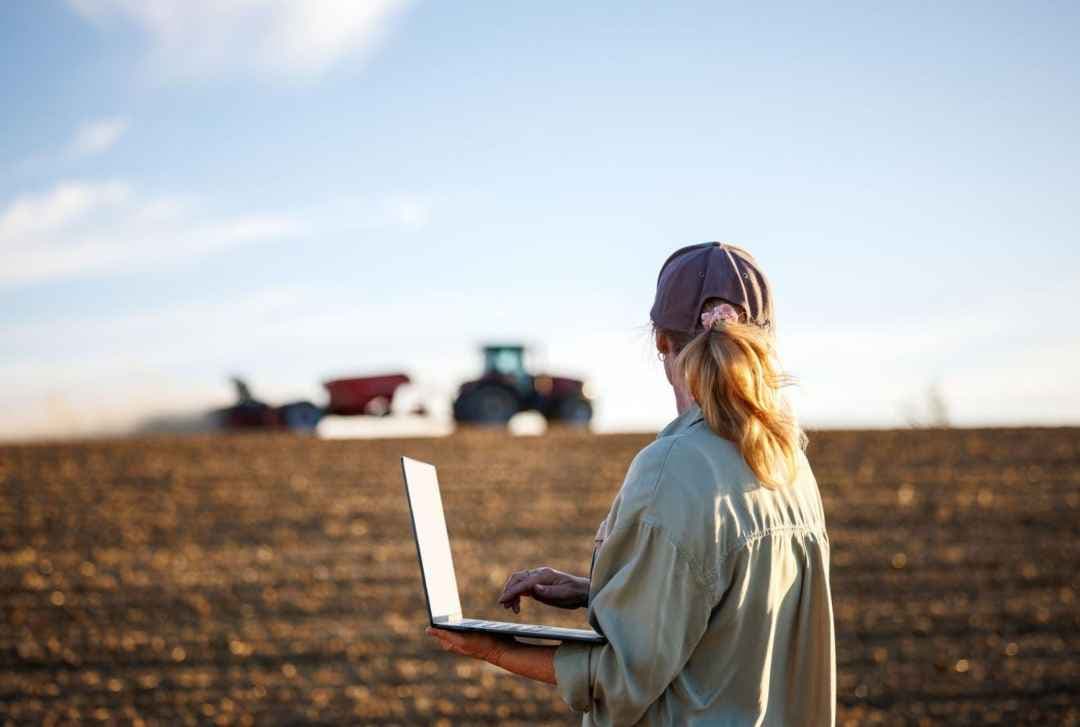
The U.S. Department of Agriculture (USDA) is moving forward with a plan to modernize how it collects and manages agricultural data, with changes aimed at reducing reporting burdens and improving the timeliness and accuracy of information used across the industry.
Agriculture Secretary Brooke L. Rollins announced the USDA Data Modernization Plan on September 1 at the Farm Progress Show in Boone, Iowa. The plan focuses on four areas: the data reporting process, acreage and yield estimates, data and technology systems, and transparency with producers.
USDA data is used for crop and livestock estimates, risk-management tools, disaster assistance, and business decisions made by farmers, ranchers, agribusinesses, researchers, and policymakers.
“America’s farmers and ranchers are the backbone of our food and agricultural system, and USDA should respect their time while delivering the reliable information they need,” said Secretary Rollins. “This plan puts Farmers First by cutting burdensome red tape, using modern tools, and ensuring producers have a stronger voice in how USDA collects and reports agricultural data. Under President Trump’s leadership, USDA is bringing agricultural data collection into the 21st century while protecting the privacy and trust of the people we serve.”
Four Areas of Data Modernization
Reporting: USDA plans to expand the use of administrative data, improve mobile access to surveys, and explore the use of prefilled information where appropriate. The department also plans to improve coordination among its agencies to reduce duplicate requests and the time producers spend reporting information.
Acreage and yield estimates: USDA will conduct a pilot using satellite imagery, geospatial tools, crop models, and other emerging technologies alongside producer-reported information. The department will also assess optional field inputs for improving and ground-truthing yield estimates and continue yield research with agricultural partners and land-grant universities.
Data and technology: The plan calls for modernizing USDA’s technology infrastructure and expanding secure data-sharing capabilities. The department will also evaluate the responsible use of artificial intelligence and machine learning. USDA says better-integrated systems could reduce duplication and improve the timeliness and usefulness of its data.
Producer trust and transparency: USDA plans to provide more information about why data is requested and how it is used while protecting producer privacy. The department also plans to create additional opportunities for producer feedback and improve communication about reports, methodologies, response rates and data limitations.
Plan Shaped by Producer Feedback
USDA began gathering input on data modernization in February 2026 through a Request for Information focused on opportunities, challenges and emerging areas in agricultural data. Secretary Rollins and USDA leadership also held listening sessions at state fairs and farm shows throughout August.
The department said feedback from hundreds of producers and agricultural stakeholders helped shape the four pillars of the plan.
“While American agriculture and USDA look vastly different than they did in 1862, the need for timely, accurate, and useful agricultural statistics remains constant,” said Kip Tom, special advisor for data modernization. “This plan brings USDA agencies together, breaks down outdated information silos, and applies modern technology to provide producers and rural communities with better service. By improving how information is collected and shared, we can respond more quickly to challenges facing American agriculture.”
The plan builds on technology already being used by USDA, including satellite-based crop monitoring, geospatial analysis, cloud-based platforms, online reporting tools and administrative data.
USDA said it will continue working with agricultural partners to evaluate new data collection methods and strengthen the scientific foundation of its agricultural statistics.
“USDA’s agricultural statistics are only as strong as the trust and voluntary participation of America’s producers,” said Dr. Scott Hutchins, under secretary for research, education, and economics. “By combining producer knowledge with sound science and modern technology, USDA can reduce the reporting burden while improving the quality of the information farmers and policymakers rely on. This plan will help ensure American agriculture remains productive and resilient for generations to come.”
What Farmers Need to Know
USDA said implementation of the plan will begin immediately. The department will continue engaging farmers, ranchers, and other agricultural stakeholders as the changes are developed.
USDA also said it will evaluate new approaches carefully, protect privacy and confidentiality, and publish methodologies and supporting information related to its agricultural statistics.