Why Carbon-Rich Soils Are Revitalizing Farms
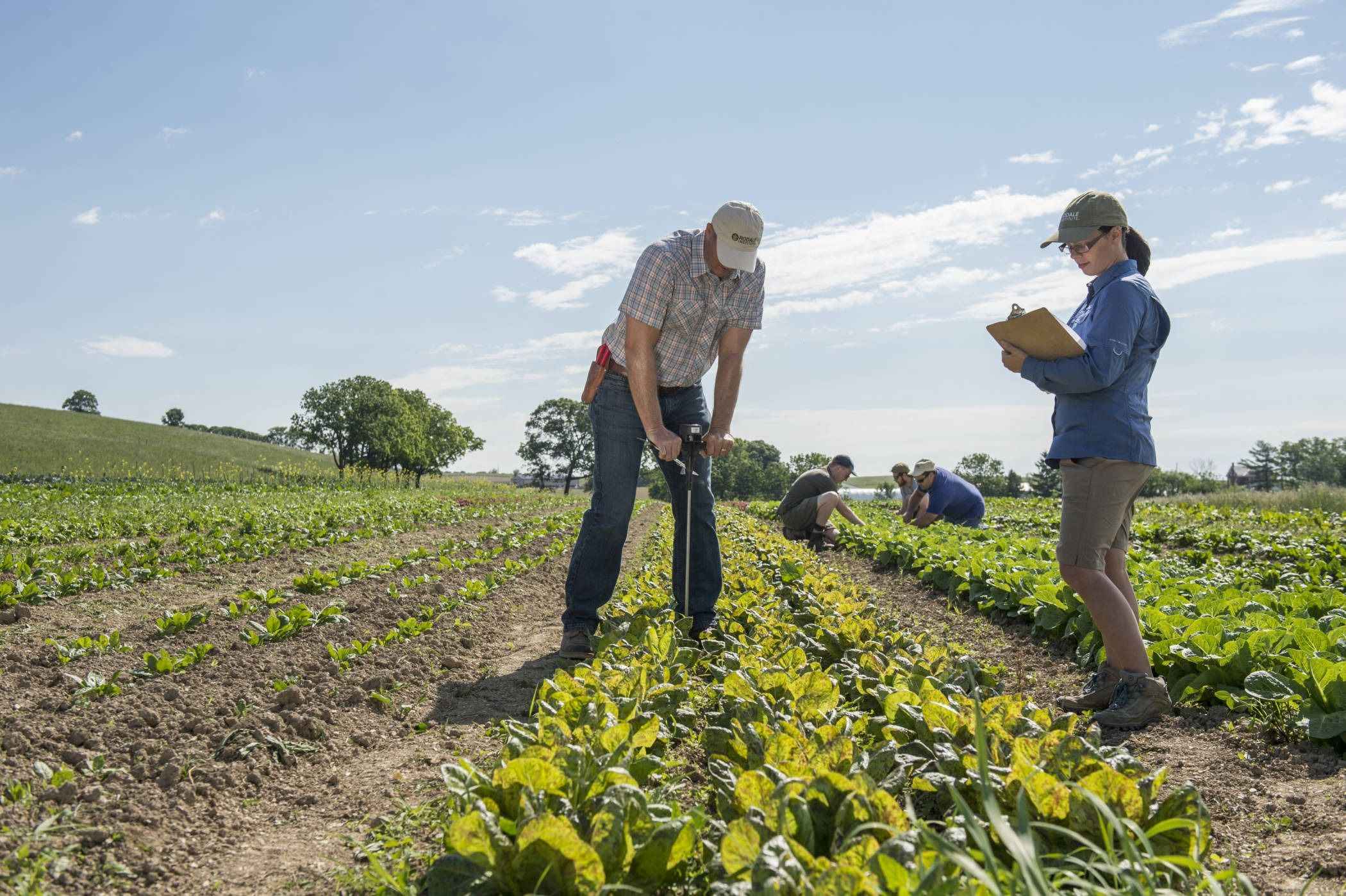
(Sponsored Content) — Farmers today are navigating some of the toughest conditions agriculture has ever seen. Soils are thinning, input costs keep climbing, and weather extremes make it harder to plan with confidence. Add market pressure and sustainability demands, and it’s clear that the traditional playbook is no longer enough.
The next great leap in farming won’t come from another chemical or a bigger tractor. It will come from the soil itself. By rebuilding organic matter and soil carbon, growers are unlocking a path to healthier crops, stronger profits and more resilient farms.
This shift toward carbon-rich farming is more than a trend. It’s a practical, proven way to cut input costs, restore soil function and keep operations competitive in a changing agricultural landscape.
The Problem With Conventional Soil Management
Decades of heavy tillage, synthetic fertilizers and monocropping have boosted yields in the short term but left soils vulnerable over time. These practices strip away organic matter and weaken the natural biology that supports crop health.
As soil carbon declines, fertility suffers. Ground that once held water and nutrients with ease becomes compacted, brittle and prone to erosion. Farmers are forced to rely on ever-higher amounts of fertilizer and chemicals just to maintain previous yields.
The result is a costly cycle: weaker soils, higher expenses and thinner margins. For many producers, the land simply isn’t giving back the way it used to. That’s why more farmers are looking to carbon-rich practices as a way to restore balance and profitability to their fields.
Carbon-Rich Practices That Work
Farmers don’t need theory; they need practices that work in the field. Carbon-rich farming draws on proven methods that restore organic matter while improving day-to-day performance on the farm.
No-Till and Cover Cropping
Reducing tillage keeps soil structure intact and prevents carbon loss. When paired with cover crops, farmers can add biomass, protect against erosion and keep living roots in the ground year-round. This combination feeds soil microbes while shielding fields from wind and rain damage.
On-Farm Composting
Turning crop residues, manure and organic waste into compost puts nutrients back where they belong — in the soil. Composting not only recycles on-farm materials but also produces a stable, carbon-rich amendment that boosts fertility season after season.
Biochar
This charcoal-like material locks carbon into the soil for decades while improving water-holding capacity. Fields amended with biochar often show stronger root systems and better moisture retention, making them more resilient in both droughts and heavy rain.
Designer Compost and Compost Tea
By tailoring compost blends and liquid teas to specific crops or soils, farmers can infuse their fields with microbial diversity. These living amendments strengthen plant defenses, improve nutrient cycling and support healthier, more productive crops.
How Soil Carbon Benefits the Bottom Line
Rebuilding soil carbon isn’t just good for the land,it directly improves farm economics. Healthy, carbon-rich soils deliver measurable financial benefits that farmers can count on.
Resilience Against Weather Extremes
Soils with higher carbon can hold more water during dry spells and drain better after heavy rain. This stability means fewer crop losses and more reliable harvests.
Natural Fertility
Carbon-rich soils support stronger root systems and microbial life that unlock nutrients. Farmers relying on these natural systems reduce their dependency on expensive synthetic fertilizers.
Lower Input Costs
By cutting back on chemicals and fertilizers, farms spend less per acre while often seeing improved yields. Over time, this translates into higher margins and more predictable returns.
Meeting Market and Policy Demands
With consumers demanding sustainably grown food and governments introducing carbon incentive programs, farmers who invest in soil carbon are positioning themselves ahead of the curve. This alignment opens new markets and financial opportunities.
Real Farmer Wins With Carbon-Rich Soil
The benefits of carbon-rich practices aren’t just theories they’re showing up in fields across the country. Farmers who invest in rebuilding soil carbon are seeing tangible results in yield, input savings and long-term resilience.
Case Example 1: Corn and Soy Farmer Cuts Fertilizer Costs
A Midwest corn and soybean grower introduced cover crops into rotation and began applying compost on key acres. Within two seasons, soil tests showed improved organic matter and stronger root development. Fertilizer needs dropped significantly by about 20% on nitrogen inputs saving thousands of dollars across the operation. Yields held steady, and in dry years, the fields with higher carbon content showed less stress compared to untreated acres.
Case Example 2: Vegetable Grower Gains Higher Market Value
In a diversified vegetable operation, the farmer added compost tea applications during the growing season. The soils responded quickly with healthier microbial activity, and plants showed improved vigor. The result was higher-quality produce with better color, flavor and shelf life. At market, this produce fetched premium prices, improving profitability without expanding acreage.
Together, these examples prove what many farmers are discovering: healthier soils don’t just grow stronger crops they grow stronger farm businesses.
What Farmers Should Look for in Soil Health Support
Transitioning to carbon-rich farming doesn’t happen overnight, and it requires more than just a single product. Farmers benefit most when they have trusted partners to guide the process and provide reliable tools.
Localized Consulting and Testing
Soil is never one-size-fits-all. Working with consultants who understand local conditions ensures that recommendations are tailored to each farm’s soil type, climate and crop rotation.
Compost Facility Design
For many farms, building on-site composting capacity is the most efficient way to recycle nutrients. Designing a practical compost facility means turning waste into fertility without creating management headaches.
Access to Trusted Soil-Building Products
Whether it’s biologically active compost, biochar for long-term stability or compost teas for quick microbial boosts, farmers need dependable products that deliver consistent results.
Reliable, Long-Term Partnerships
The most successful transitions happen when suppliers act as partners, not just vendors. Farmers should look for ongoing support, clear communication and solutions that adapt as operations grow.
Conclusion
Carbon-rich farming represents the next great revolution in agriculture. By putting soil health at the center, farmers can build operations that are not only more profitable but also more sustainable and resilient. Stronger soils mean better yields, lower input costs and a foundation that will keep supporting future generations.
Farmers who begin adopting carbon-focused practices today are positioning themselves ahead of rising input costs, unpredictable weather and shifting market demands. The sooner soil carbon is restored, the sooner farms can enjoy the stability and strength it brings.
Carbon Cycle Consulting helps farmers turn soil into their greatest asset. Learn more at CarbonCycleConsulting.com.