Wolf Conflict Is Rising
It’s Not Just a Ranching Problem Anymore
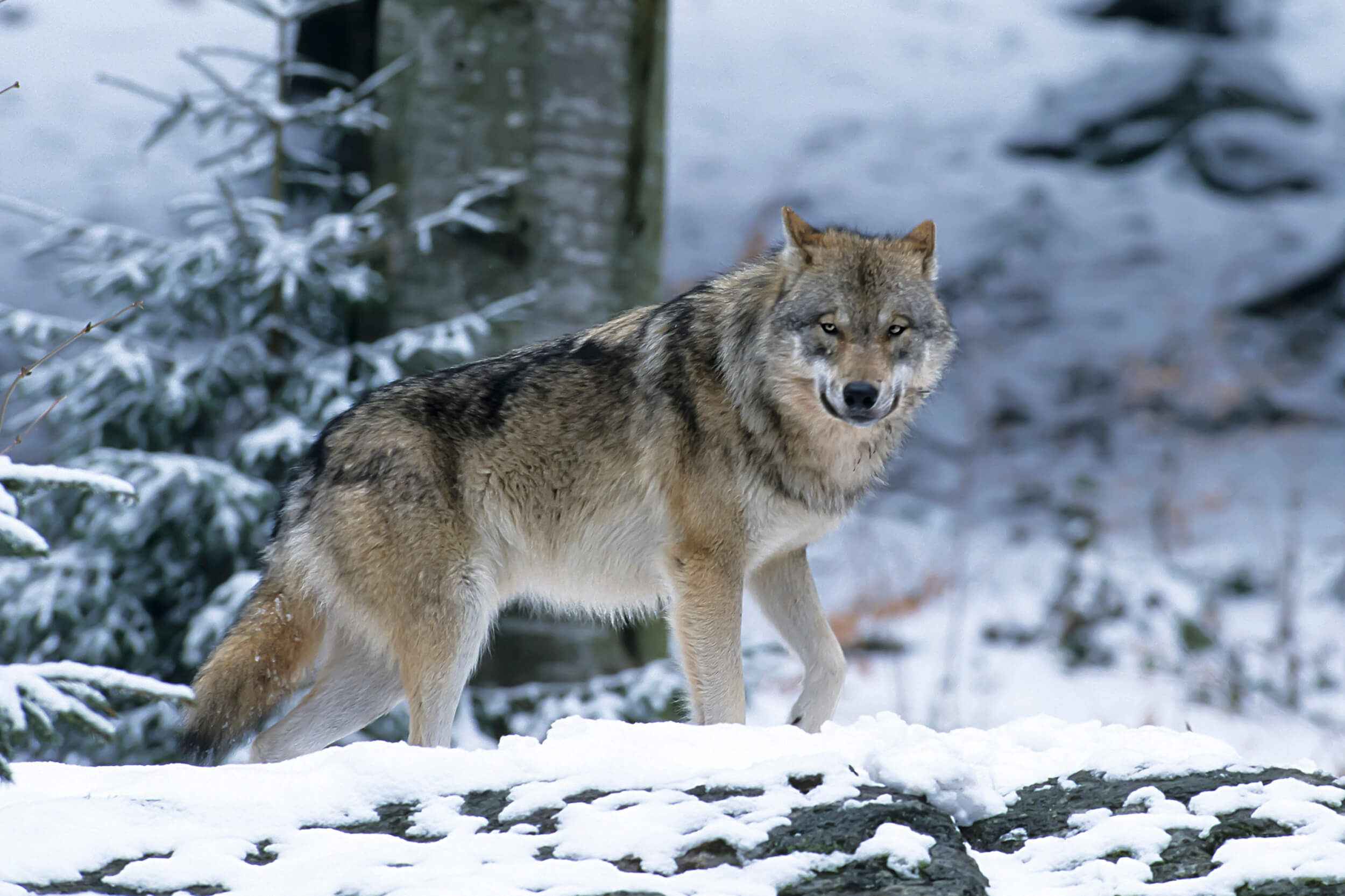
Wolf–livestock conflict continues to escalate in multiple western states, reshaping herds, stressing families and testing rural management systems. Recent reporting and state wildlife agency actions have pushed the issue from ranch country into broader rural conversation, especially in places such as Sierra Valley, California, where predation pressures intensified enough this year for the county to declare a local emergency.
In a December 3, 2025, report, agriculture journalist Angie Stump Denton described producers facing nightly patrols, livestock losses and growing safety concerns. Her coverage highlighted ranchers who have endured years of wolf impacts, with one interviewee sharing how the relentless pressure had discouraged her 81-year-old father. Others referenced sleepless nights, emotional burnout and the erosion of long-held plans to hand the ranch to the next generation.
Direct Losses Only Tell Part of the Story
Wolf conflict is often quantified in carcass counts, but producers repeatedly argue that what does not show up on depredation forms is doing most of the damage.
Denton’s sources referenced stress-driven pregnancy loss, reduced weaning weights, altered grazing behavior and cattle that never quite return to normal performance. University of California–Davis researchers back that concern, reporting that indirect effects — herd disruption, reduced productivity, behavioral change — can carry meaningful financial consequences for affected operations.
From March 28 to September 10, 2025, alone, the California Department of Fish and Wildlife (CDFW) tied one Sierra Valley wolf pack to 70 livestock losses — accounting for 63% of confirmed or probable wolf-caused losses in the state during that period. Despite fladry fencing, drones, guard animals, range riders and hazing efforts, the pack became habituated to cattle rather than wild prey. After months of pressure, CDFW made the uncommon decision to lethally remove four wolves to protect public safety and ranch viability.
One Family’s Problem Becomes a Rural Issue
The effects of wolf pressure go far beyond pasture fences. When herds shrink or producers consider scaling back, ripples reach the wider rural system: feed stores lose customers; veterinary clinics lose business; schools lose students; volunteer fire departments struggle for members. Ranchers Denton interviewed suggested that wolf conflict has accelerated fatigue among ranching families, pushing some to reconsider their future in the industry.
In Sierra Valley, those ripples turned visible when the Sierra-Plumas Joint Unified School District formally supported the county’s emergency declaration — citing economic and public safety concerns tied to increasing wolf activity. That kind of institutional involvement underscores a shift from a “livestock issue” to a community viability discussion.
How Wolves Came Back — and Why Conflict Is Rising Now
Wolves did not reappear in the West by chance. Their return is tied to decades of legal and ecological policy decisions.
By the mid-20th century, wolves had been erased from most of the continental United States through extermination programs and habitat conversion. The 1973 Endangered Species Act changed course, adding federal protection and requiring agencies to restore threatened species.
The most visible effort came in 1995 and 1996, when wolves were reintroduced into Yellowstone National Park and central Idaho. As packs multiplied, dispersing juveniles began traveling long distances, with Oregon’s first modern wolf arriving around 1999 to 2000 and California’s first confirmed wolf (OR-7) arriving in 2011.
As wolf populations expanded, their range overlapped working lands and rural communities. Wildlife researchers note a behavioral shift among modern wolves: once they successfully prey on cattle, they often develop habitual reliance on livestock, intensifying conflict in places where natural prey is limited or harder to access.
That is exactly what played out in Sierra Valley. Even with extensive non-lethal measures, wolves adapted and continued targeting cattle — forcing CDFW to intervene.
Wolves Beyond Ranchland: Schools, Towns and Public Spaces
The public often views wolves through a romanticized lens — wild, reclusive and avoidant of people. Sometimes, even making them seem as big, beautiful dogs who roam the land. But, as populations expand and behaviors evolve, wolf activity has begun to brush up against community spaces as well.
This year in Ely, Minnesota, local media reported repeated sightings of gray wolves walking along residential streets and appearing near school district grounds during class hours. Local sources described wolves approaching lightly populated areas, raising questions about proximity to children and pets.
In Stevens County, Washington, authorities investigated a wolf sighting in April 2025 near a high school and golf course. Wildlife officers hazed the animal away; the investigation noted that while it could have been a misidentified domestic dog, officials took the report seriously, given nearby wolf activity.
These incidents, whether rare or isolated, illustrate a shift in public perception: wolf conflict is no longer viewed only as a ranching problem. Communities are beginning to consider what expanding wolf ranges might mean for rural safety, school operations or local sense of security.
Policy Is Under Pressure — and Both Sides Are Frustrated
California, Wisconsin and other states maintain wolf monitoring systems, depredation investigation programs and compensation frameworks. California producers interviewed by Denton reported delayed payments — a frustration widely echoed but not independently verified through state finance records.
Meanwhile, conservation-oriented groups and wildlife advocates argue that lethal control undermines ecological progress. The result is a management environment that feels unsatisfying to nearly everyone involved: producers who do not feel adequately protected, agencies that struggle to respond fast enough and advocacy groups that see every removal as a setback.
Underlying these tensions is a broader question: will policy structures built around species recovery evolve fast enough to address rural impact now that wolves are no longer fragile or isolated?
Emotional Toll Is Real, & Often Overlooked
Industry impacts are quantifiable. Emotional strain is not, but producers in multiple states consistently describe it as the hardest part. Denton’s interviewees referenced fear, stress and exhaustion. One said she no longer feels comfortable leaving livestock unattended for a night. Another shared that her elderly father — once eager to hand the ranch down — now questions why they continue.
Those themes reflect years-long patterns seen across conflict zones: wolf presence shifts how families live, when they sleep, how children are taught to move around the property and whether adults remain in agriculture.
Beyond Carcass Counts: What’s Really at Stake
Wolves remain an ecological achievement in a vacuum — a native predator restored after collapse. But in places where their presence intersects with private property, food production systems, schools and rural households, conflict sharpens.
The debate is shifting away from “Did a wolf kill this one cow?” toward larger questions:
- How do herds function under pressure?
- What support systems are needed as behavior changes?
- How much of the true cost is being recognized?
- What happens to rural communities if producers scale back or leave?
What is unfolding in Sierra Valley — and in places such as rural Minnesota and Washington — is being closely watched because it previews challenges likely to surface elsewhere.
Conclusion: A Management Problem Moving Beyond the Fence Line
Wolf presence is now a permanent feature in many western livestock regions. But the impacts are extending beyond ranch boundaries. Rural leaders — from school boards to local health departments — are increasingly part of the conversation.
As wolf populations continue expanding, these questions will follow:
- Can policy adapt fast enough?
- Will compensation systems acknowledge indirect loss?
- How do rural communities remain viable under pressure?
Farmers Hot Line readers — livestock owners, cattlemen and women, ranchers, equipment dealers, rural suppliers, veterinarians, feed mills and local rural citizens — will be part of that discussion, whether or not wolves ever appear on their land. Because what starts at the fence line increasingly moves into town halls, classrooms and dinner tables.
Update (Dec. 18, 2025): The U.S. House has passed legislation to delist the gray wolf, but the bill must still clear the Senate before any changes take effect.