Wolf Conflicts Are Rising: Why It Matters Beyond Ranch Country
Wolf-livestock conflicts surge in Sierra Valley, causing herd losses, economic impacts and rural challenges that extend beyond ranch country.
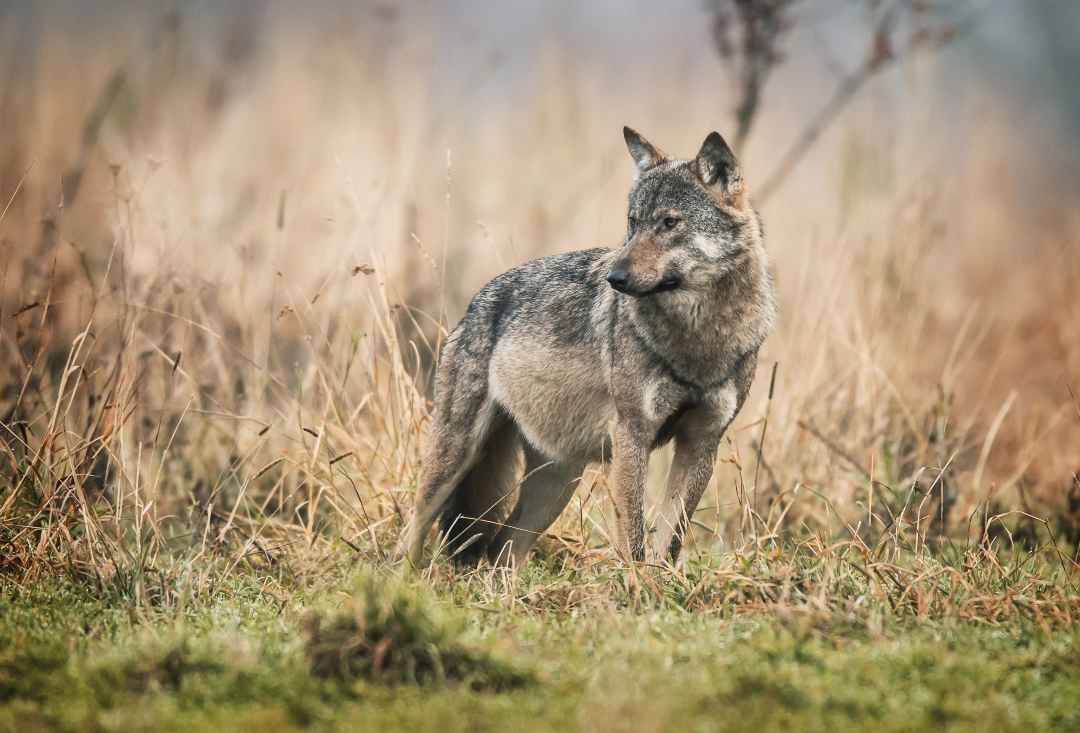
Wolf–livestock conflict continues to grow in western states, reshaping herds, stressing families and testing rural management systems. Recent reporting has brought renewed attention to the issue, particularly in California’s Sierra Valley and across ranching regions in Oregon and Wisconsin.
A December 3, 2025 article by agriculture journalist Angie Stump Denton described ranchers and county officials in Sierra Valley declaring a local emergency following more than a season of wolf predation pressure. Denton’s reporting included accounts from producers and county supervisors who described night patrols, lost cattle and growing public safety concerns.
Direct Losses Are Only Part of the Story
Producers interviewed in Denton’s coverage said wolf attacks create herd-level effects that do not always show up on depredation records — including stress-driven pregnancy loss, decreased weaning weights and behavioral disruption.
University of California–Davis reporting supports this concern. A 2025 UC-Davis release on wolf economics noted that indirect effects of predator pressure — such as altered grazing, stress responses, reduced productivity and unconfirmed losses — can translate into significant financial impacts for affected operations.
Community and Emotional Toll Reported
Denton’s article highlighted personal impacts among ranch families. One producer told her that the conflict had deeply affected her 81-year-old father, describing him as discouraged and exhausted after years of dealing with wolf pressure. Other ranchers reported sleepless nights and stress as they monitored herds.
Those themes echo concerns expressed for years in rural livestock regions: when predator activity escalates, the pressure often falls on a small number of families who patrol at night, respond to losses and absorb the emotional burden.
State Agencies Are Involved, but Frustrations Remain
According to California Department of Fish and Wildlife (CDFW) reporting, the agency investigates depredations, maintains wolf activity updates and administers compensation programs for confirmed kills. Denton’s reporting noted that some producers told her they were still waiting for compensation payments months after filing — a claim that reflects ongoing industry frustration but has not been independently verified by state finance records.
Similarly, Wisconsin tracks wolf depredation through its Department of Natural Resources. In past public communications covered by agriculture outlets, the Wisconsin Farm Bureau has expressed concerns about depredation trends, characterizing impacts on livestock owners as increasingly difficult.
Not Just a Ranching Issue — A Rural Infrastructure Issue
Industry observers and state agencies note that wolf management intersects with rural viability. When producers reduce herd size or choose to exit the industry, ripple effects reach beyond the pasture:
- Local schools lose students
- Veterinary and feed businesses lose customers
- Volunteer services decline
Denton’s interviewees suggested that wolf conflict has contributed to fatigue among ranching families, with some reconsidering their future in the industry.
Management Debate Continues
CDFW reports that its management framework includes non-lethal deterrence, monitoring and compensation for verified losses. Meanwhile, UC–Davis faculty have published research exploring the economic and behavioral impacts of wolf presence, raising questions about how indirect loss should be accounted for in policy and assistance programs.
Ranchers interviewed by Denton said they want management systems that acknowledge both ecological goals and the reality producers face on the ground.
Conclusion
Wolf presence in western livestock regions is an ecological reality — but one that comes with human and economic consequences that ranchers argue remain underestimated. The conversation is shifting away from carcass counts and toward broader questions: How do herds change under predator pressure? What support systems are needed for families who absorb the risk? And can policy evolve fast enough to keep working landscapes stable?
What happens in places such as Sierra Valley is being watched closely, because producers believe it previews management challenges likely to surface across more regions as wolf populations expand.
References for Publication / Linking
California Department of Fish & Wildlife Wolf Program
UC Davis Wolf Impact Reporting
Wisconsin Department of Natural Resources Wolf Monitoring