Built with Resilience
Women Driving Change, Innovation & Stewardship in Agriculture
Women play a critical role in farming and ranching operations across the country. According to a 2022 census of agriculture from the United States Department of Agriculture (USDA) and the National Agricultural Statistics Service (NASS), there are 1.2 million female producers in the U.S., making up 36% of the country’s 3.4 million producers.
Of that 1.2 million, each has their own unique experience, depicting stories of grit, resilience and leadership.
Some have been embedded in agriculture since childhood, others, through curiosity and sheer determination, have found themselves in the industry later in life. Yet each woman has done the work to get them where they are now and built on the industry’s history of growth, production and stewardship.
We’ve collected just a handful of narratives from the many inspiring women in the field and asked them to reflect on their history, the obstacles they’ve faced along the way and what they see for the future of our industry.
Kristina Walker
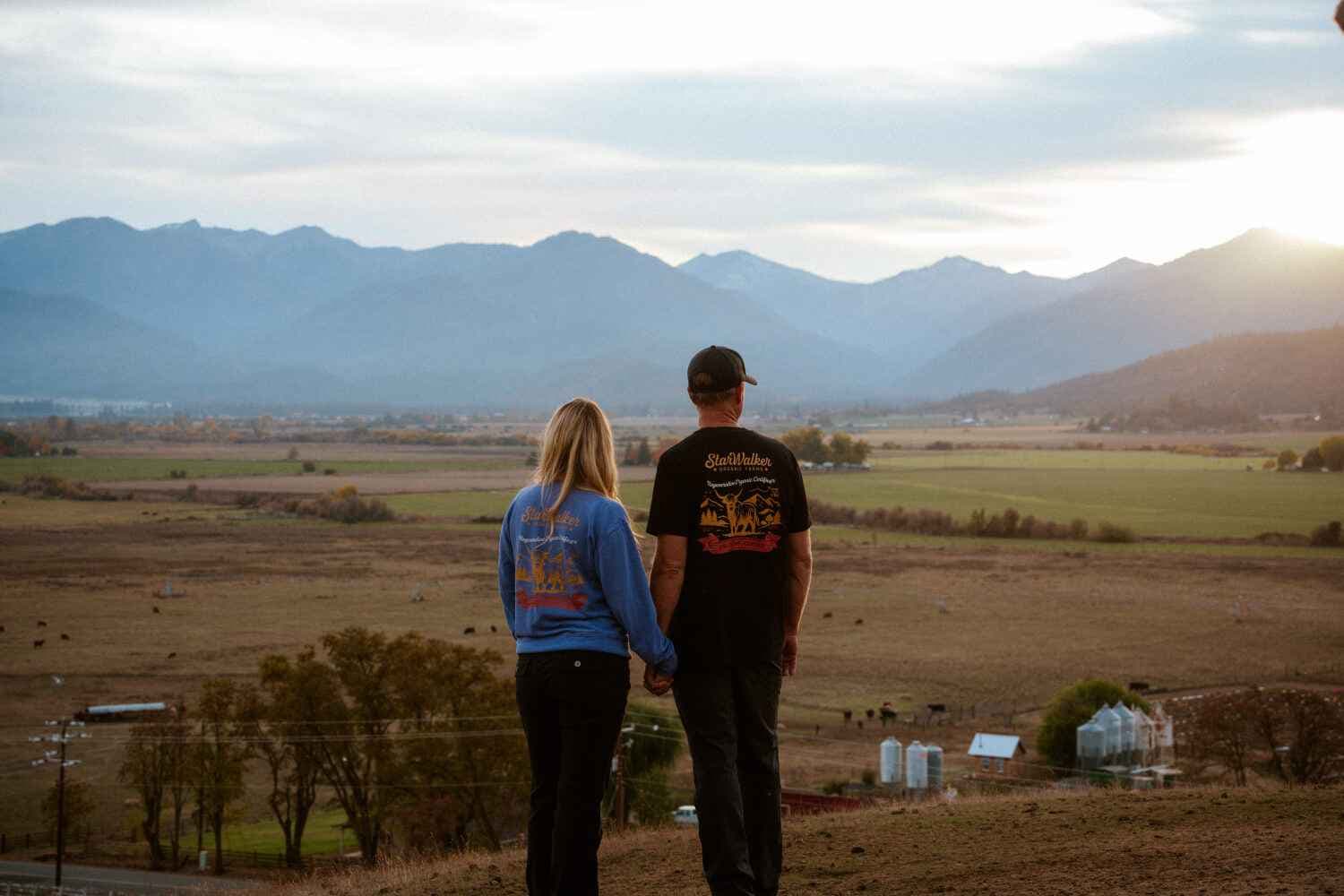
Kristina Walker, operator of StarWalker Organic Farms, a third-generation regenerative organic livestock operation out of Northern California, didn’t grow up in agriculture.
“My husband Jason and I were high school sweethearts, and while his family had been farming for generations, I never imagined I would one day help expand that legacy,” Walker reflected.
In 2020, Walker launched the organization’s direct-to-consumer platform, where demand confirmed they were meeting a real need from customers. In 2024, the organization acquired a USDA facility to transform the operation into a vertically integrated system.
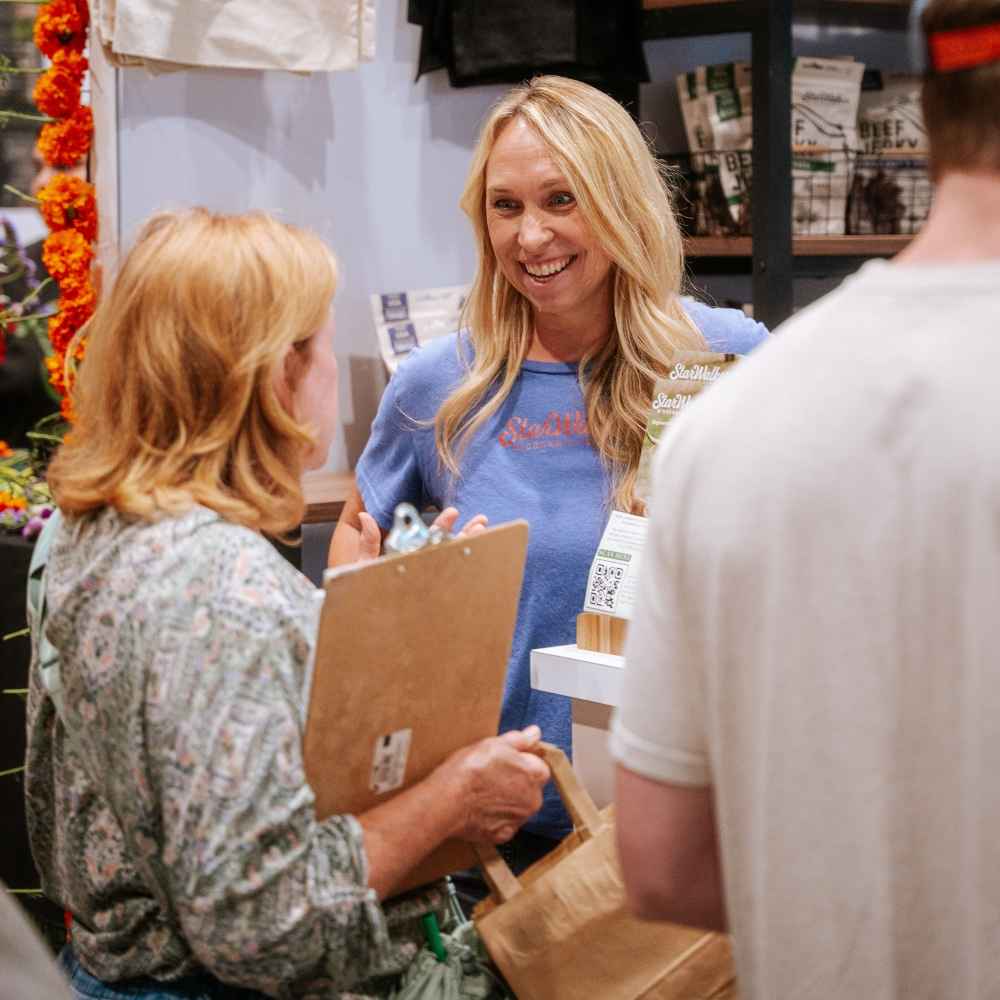
StarWalker Organic Farms integrates land stewardship, livestock production, processing infrastructure and branded distribution. Walker’s husband manages the agricultural production side and Walker herself serves as CEO, but they collaborate on major decisions to balance practical field knowledge with the long-term vision.
“My work centers on connecting the land to the marketplace — ensuring what we grow reaches families while supporting the broader agricultural community,” added Walker.
Throughout the years, Walker reflects that scaling infrastructure and securing capital have been some of the greatest challenges for the organization, requiring persistence and continuous learning.
“Challenges are inevitable in agriculture,” said Walker. “My guiding mindset has been: Only she who attempts the absurd can achieve the impossible.”
For Walker, being a woman in the industry, “represents perspective, resilience and balance.” She believes that ag benefits when it includes diverse perspectives.
“Agriculture today is multifaceted,” she continued. “It requires technical knowledge, strategic thinking, adaptability and leadership. Women are bringing these skills to the table in meaningful ways, helping modernize operations, strengthen communities and expand how agriculture connects to health, environment and consumer awareness."
Janel Ohletz
Dr. Janel Ohletz grew up on a subsistence farm in New Hampshire, and through bitter winters milking cows by hand, she learned the value of hard work, creative problem solving and team work. Today, she has published her own book, “Between Farm and Fork: Journey to Find a True Path”, an MS in agriculture science, a PhD in soil science and is the director of agriculture operations for Plantd, a startup making carbon-negative building materials from perennial grass.
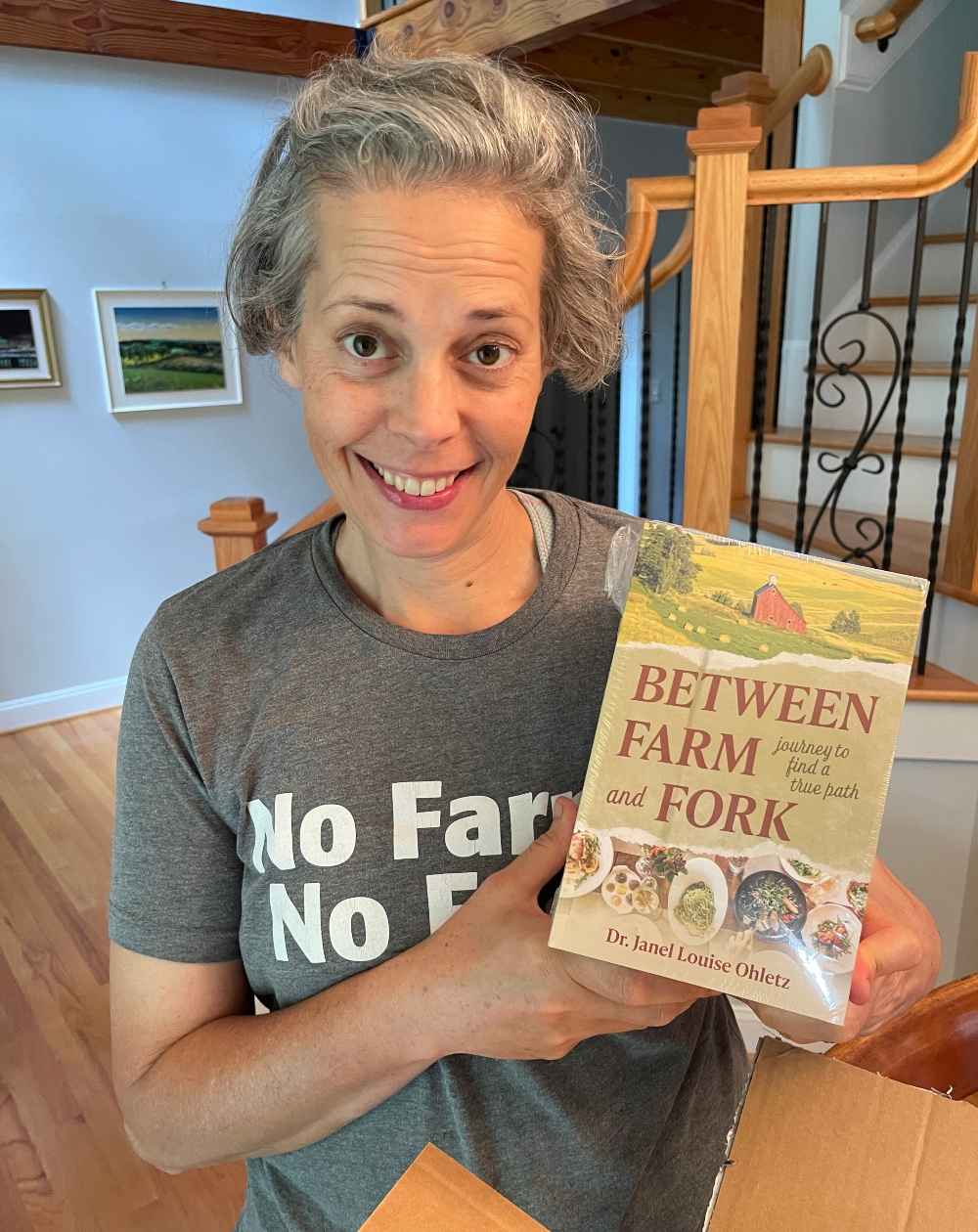
Ohletz reflects that her proudest achievement is teaching regenerative farming and sustainable agriculture practices to farmers through various conversations.
“When we build soil health, we build resiliency back into the farm,” stated Ohletz. “As our climate disruptions become more certain, it is vital for our food and fiber supply to ensure our farmers can still produce what we need in our everyday lives.”
Though Dr. Ohletz has seen plenty of opportunities for women in the industry in her career, she expresses that she would like to see more on larger farms and in leadership positions, and that there is still room for improvement.
“I want to end the stereotype that women are worried about breaking a nail and messing up their makeup, but that does not mean we give up on caring about our appearance altogether,” she added. “We can do both.”
Ohletz also advises women joining the industry to invite themselves into the conversation.
“There is space for you at the table, even if you do not see a seat there ... The agriculture industry is vast, and there are so many job opportunities out there, and most don’t involve driving around in a tractor all day,” she said.
Victoria Fields
Starting with container gardening on a North Carolina condo patio, Victoria Fields is now a Penn State master gardener operating on stewarded land in Northeast Pennsylvania, originally cared for by the Lenape tribe.
“I don’t take that lightly,” Fields reflected. “I’m grateful for a small plot right now while operations scale. Agriculture for me isn’t about size, it’s about stewardship, intention and building something sustainable from the ground up for my family and community.”
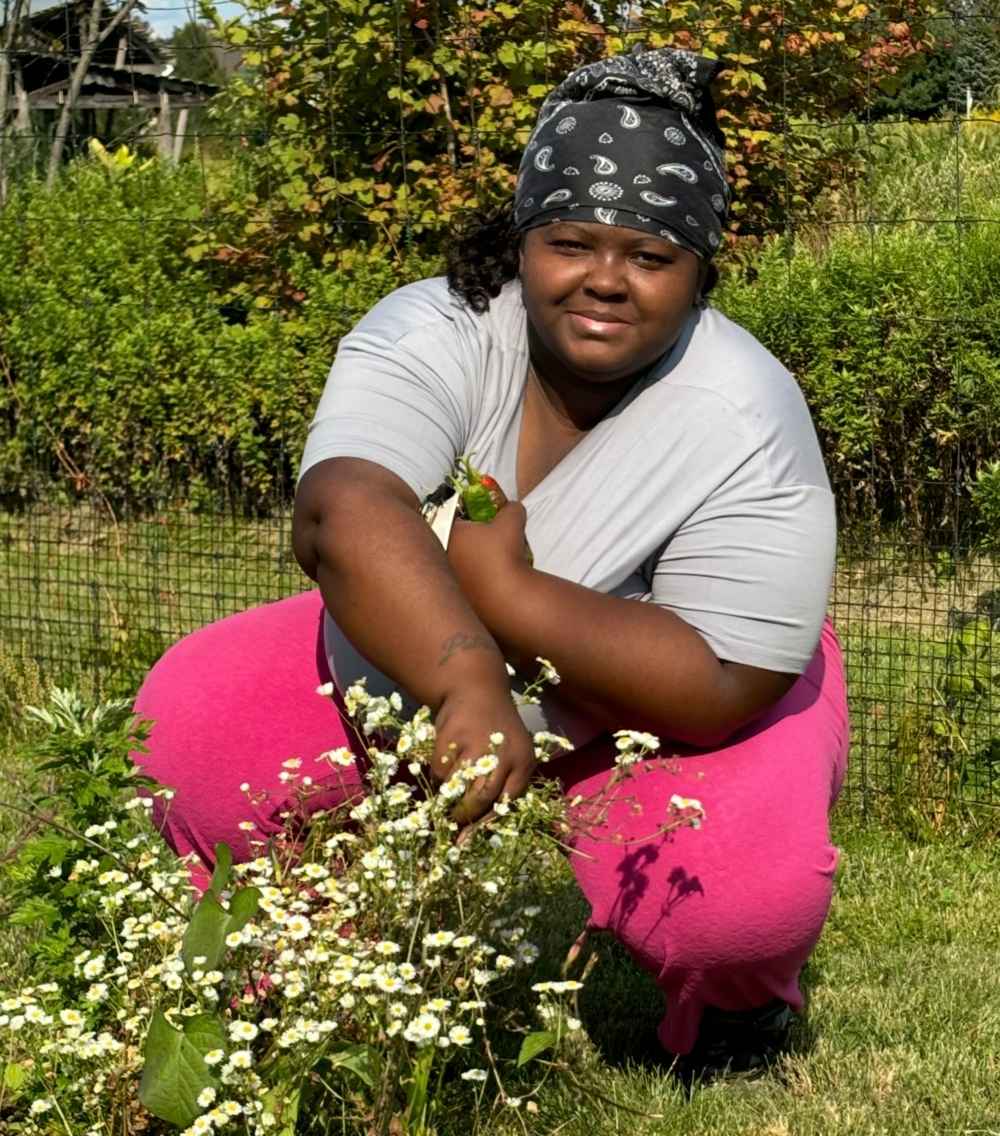
Her production space these days focuses on specialty crops, soil regeneration and education, where Fields handles crop planning, soil testing, compost management, pest control strategy and seasonal forecasting.
“I’m in the dirt and in the data,” she added.
“I started as a woman curious about growing tomatoes and collard greens, okra on a patio,” Fields recalled. “I evolved into a woman studying microbiology, regenerative practices and production systems. It shifted from hobby to discipline. From discipline to leadership.”
To her, agriculture means ownership: ownership of knowledge, land stewardship and of space in rooms that weren’t always designed for her.
“As a first-generation black woman in agriculture, I don’t have inherited acreage,” she said. “I’m building from scratch. That takes grit. It also takes vision. Being a woman in this space means I lead with both science and intuition.”
In her time in the industry, Fields has also seen more opportunities for women.
“There are more educational pathways, grant access and visibility than ever before,” she explains. “Women are not just supporting agriculture, we’re leading it. From regenerative farming to ag tech to land stewardship policy, women are present and powerful.”
“Agriculture doesn’t care about gender,” Fields continued. “It responds to stewardship. And women are exceptional stewards.”
Yussy El-Hibri
“Our journey into farming is truly one of coming full circle,” explains Yussy El-Hibri, co-owner of Black Barn Alpacas.
El-Hibri grew up in Maryland, enjoying farm life and riding horses, and her husband and co-owner, Travis, was raised in Wyoming, working with beef and dairy cattle as a homesteader’s grandson. Both pursued careers in design and construction.
“We always dreamed of returning to agriculture, creating something sustainable and meaningful for our family and community,” El-Hibri said.
They didn’t think of alpacas first, but the livestock is one of the most sustainable, and now Black Barn Alpacas has grown from a small herd of 20 to the largest alpaca farm in Maryland, and the top agritourism destination in the state, with 150 alpacas on 50-acres.
“It’s not just a farm,” El-Hibri noted. “It’s where sustainability meets community, and we’re living out the values that inspired us to take this leap. It’s been a journey of growth, challenges and immense gratitude."
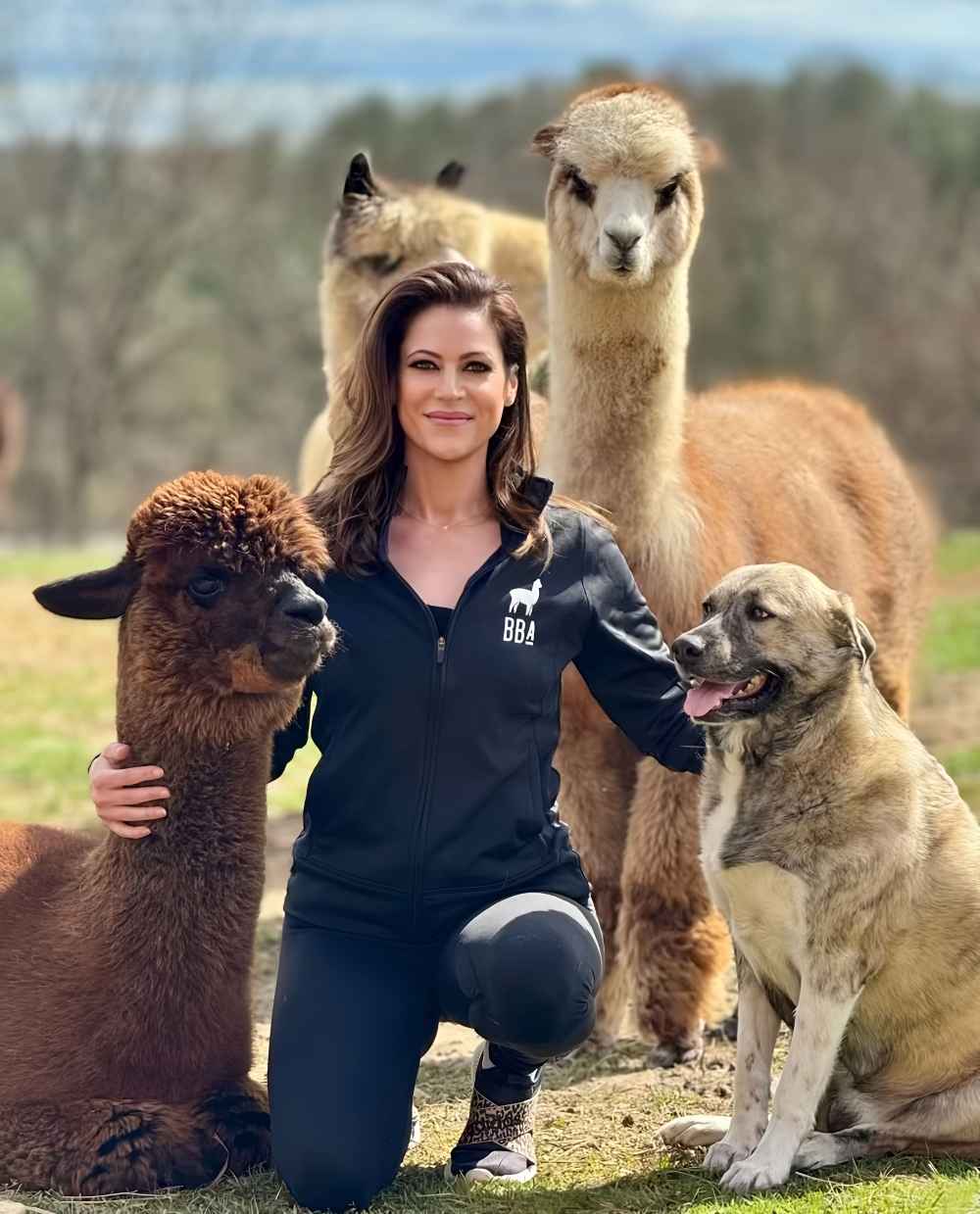
Her story hasn’t always been easy with the organization, from relocating the entire farm from Texas to Maryland with 100 animals and more, to leaving behind a community, to hesitancy from others.
“I have had people doubt me, question my expertise or underestimate me, sometimes because I am a woman, sometimes because I do not fit the typical image of a farmer,” El-Hibri explained. “Those moments can be frustrating, but they have only made me stronger. I focus on what matters, the work itself.”
“Being a woman in agriculture reminds me every day that leadership is not about gender; it is about passion, resilience and vision,” she continues. “As an American with a cultured background, I bring a perspective shaped by tradition, hospitality and respect for the land and animals.”
Donna Kilpatrick
Donna Kilpatrick, director of regeneration at Heifer Ranch in Perryville, Arkansas, hasn’t always been invested in agriculture. It wasn’t until she attended Warren Wilson College, a North Carolina liberal arts college, and began working on the college farm that her interest grew.
“I found my passion,” Kilpatrick recalled. “I found my tribe of people that I had been looking for my whole life.”
After college, she reflected that many people close to her pressured her to not enter the ag space, including her father, but it was her calling.
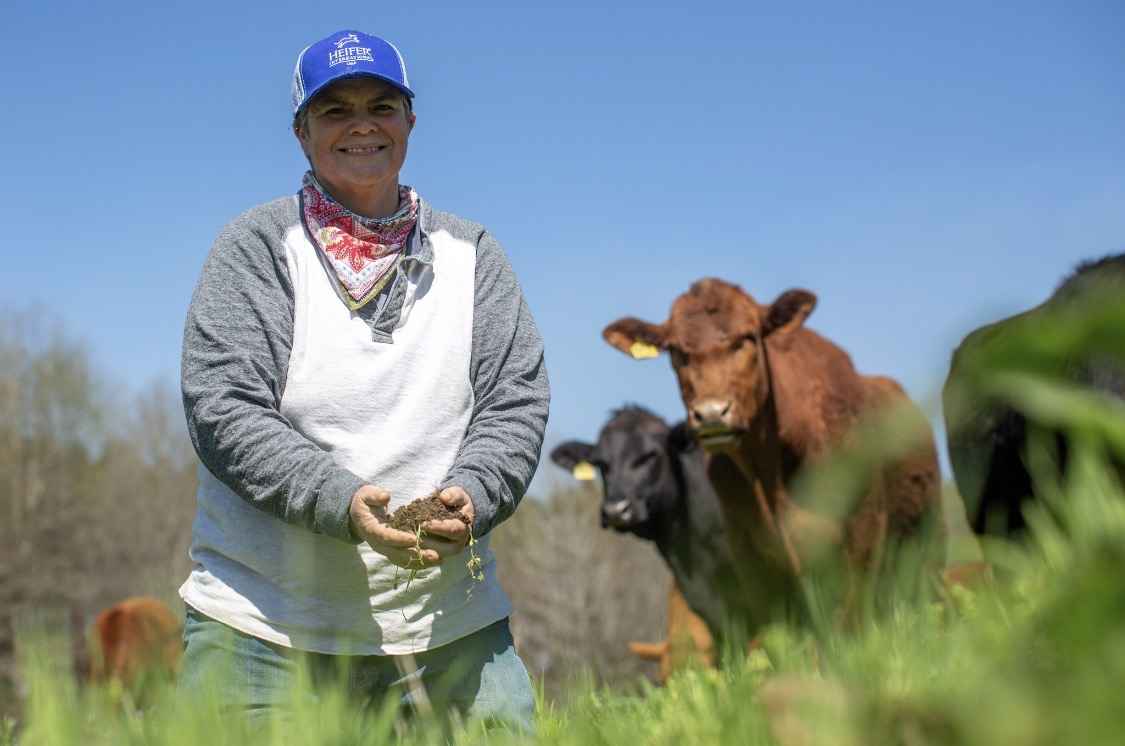
“I chose to follow my heart and pursue farming when most people thought it was absolutely insane,” said Kilpatrick.
Now, with more than 25 years of experience, she specializes in pasture-based livestock production, ecosystem restoration and land stewardship for Heifer Ranch, a 1,200-acre working ranch that helps farmers implement regenerative practices.
“Seeing an ecosystem, a landscape reverse from a desertified state and in a state of ill health to one that’s resilient and abudant is really, really satfisfying,” she described.
To be successful, Kilpatrick advises anyone in the industry to have tough skin, utilize a supportive community and do what interests them.
“If you’re a farmer, you need to farm what you love,” she explained. “Don’t do cows because your dad did them, your grandpa did them. If you want to raise rabbits, raise rabbits. If that’s what makes your heart sing, go for that.”
“There’s this sort of mentality that you have to be rough and tough to be a farmer, but that’s not really true,” Kilpatrick continued. “Agriculture is all about skill systems, timing, management. It's not about brute strength.”
Jamie Platt
Chief Executive Officer at Pictor, Dr. Jamie Platt, works closely with producers, developing targeted proteomic assays, such as the Pictor PictVet Mycobacterium avium subsp. paratuberculosis Multiplex ELISA, that help large-scale livestock and dairy operations improve herd health, detect diseases early and make evidence-based decisions.
“These tools are designed to provide early, cost-effective, accurate disease detection, which is critical for herd management and operational efficiency,” Platt explained.
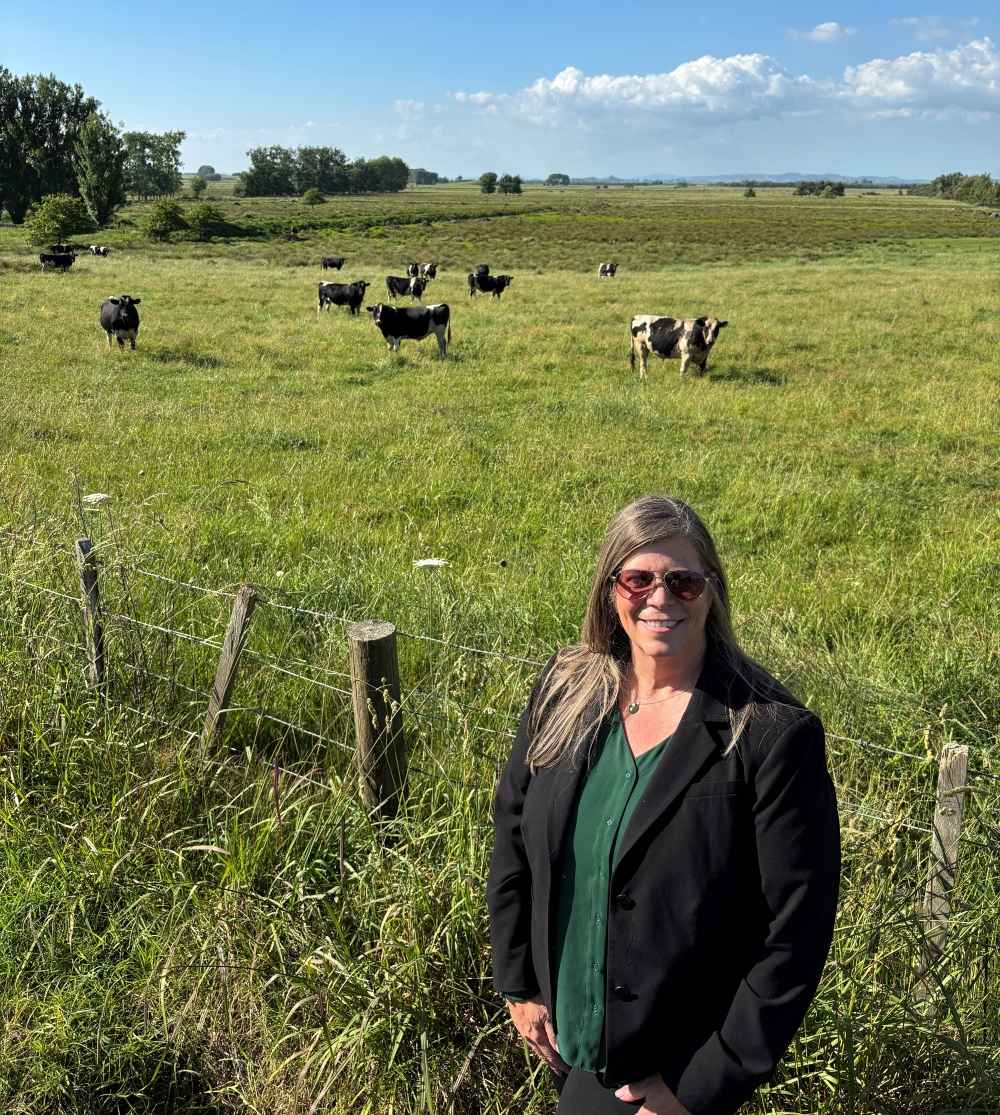
Platt’s career began in research and development in diagnostics and now she leads a company that directly impacts agricultural operations.
“Over the years, I’ve worked to bridge the gap between scientific innovation and practical applications, ensuring our targeted proteomic assays address real-world challenges faced by farmers and ranchers, such as earlier detection of diseases like Johne’s,” she said.
Today, she believes that adaptability, collaboration and a willingness to embrace technology are critical in the industry.
“Agriculture is evolving rapidly, and success depends on staying ahead of challenges like disease management, sustainability and operational efficiency,” Platt notes. “A strong foundation in science and data-driven decision-making is also increasingly important.”
Platt highlights that women are driving some of the most groundbreaking innovations in technology and science.
“Women are leading in every aspect of the industry — from running large-scale operations to innovating in science and technology,” she adds. “It’s important to highlight these contributions and inspire the next generation to see agriculture as a field full of opportunity.”
For the next generation, she encourages them to explore the connection between science and agriculture.
“There are so many opportunities to make a meaningful impact, whether through technology, research or leadership,” Platt said. “Stay curious, build strong networks and believe in your ability to drive change in this vital industry.”
Amy Branch
Amy Branch grew up in the garden of her grandparents, who were homestead farmers that raised enough for their family and neighbors when they had enough to spare.
“Those early mornings in the rows taught me the value of hard work, self-reliance and community,” she reflected.
Now, a farmer out in the Ouchita mountain region in Arkansas, Branch has 10 acres of gardens, greenhouses, orchards and working land that supports pollinators and people.
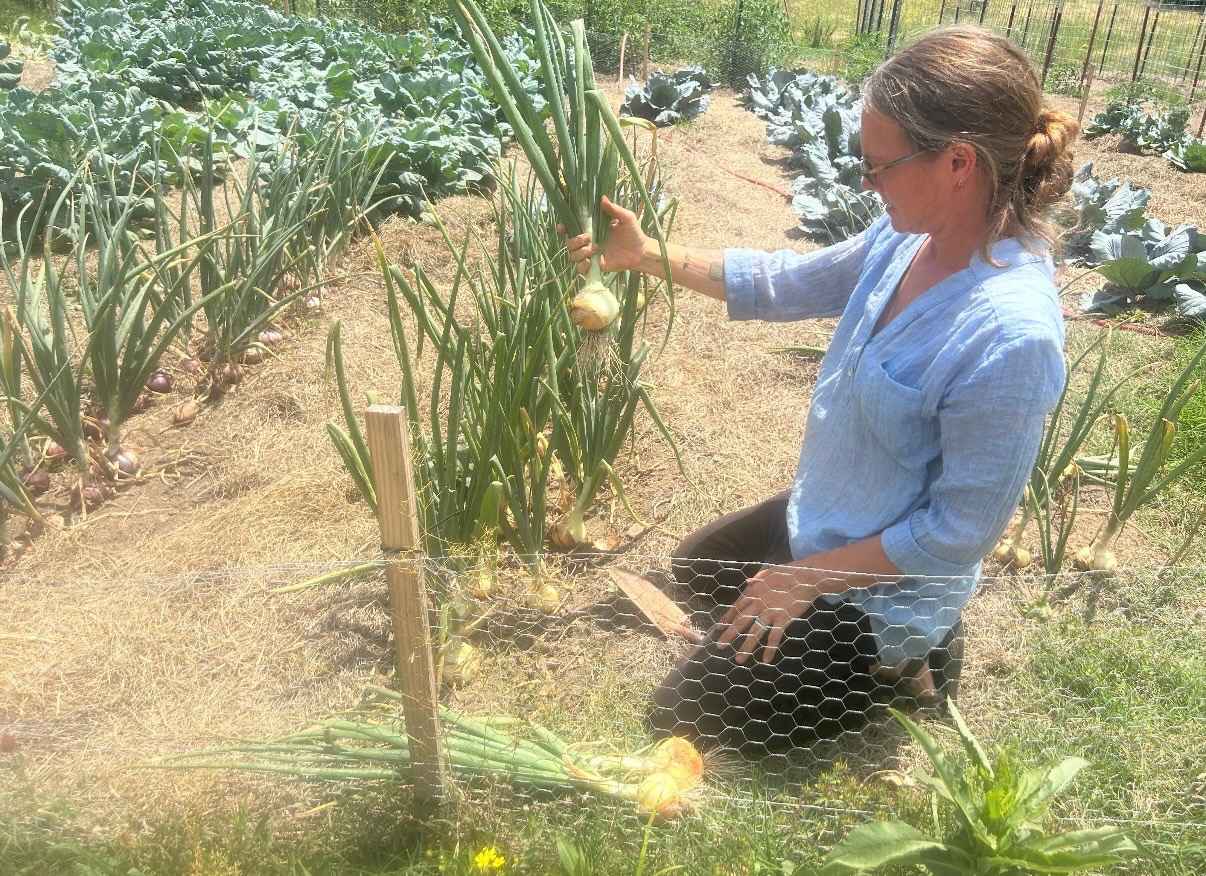
“In a small operation, you do it all — planting, harvesting, tending bees, teaching workshops and serving customers,” she explains. “The work follows the seasons, and so do I.”
Branch believes that her most important role now is to bring her daughters into the work with her.
“I want them to see that tending soil, animals and community are connected — and that honest work can be both purposeful and joyful,” she said.
She also maintains that a willingness to keep learning is an important skill in agriculture, as farming is constantly changing. She returns regularly to Heifer International for the exhibits and educational classes. She is also involved with workshops focused on strengthening local farming communities.
“When I first began farming, the goal was simple — to grow one thing well for our own table,” she recalled. “I wanted to learn how to truly provide ... Today, what we grow isn’t just food — it’s skill, stewardship and confidence, especially for young women learning that they belong in agriculture.”
“Many women are planning, managing, investing, teaching and making the decisions that keep farms moving forward,” Branch continued. “Women in agriculture are not on the sidelines. We are building and leading — often quietly, but very intentionally.”