Can Livestock Guardian Dogs Solve a Wolf Problem?
When LGD Programs Work — and Don’t — Against Predators
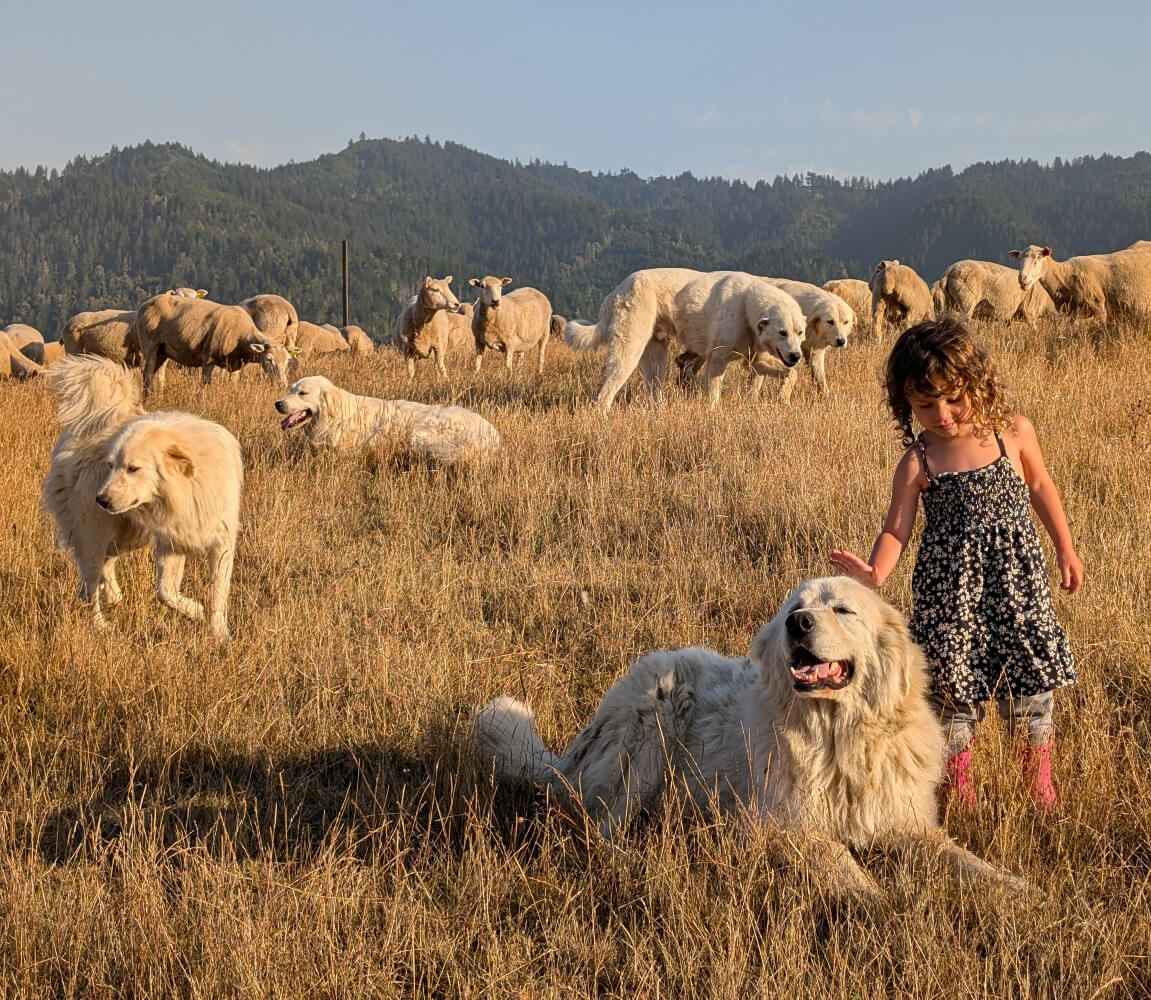
Wolves pose a significant predation risk to all types of livestock because they are intelligent, persistent and tend to operate in packs. For producers in areas with wolves, conventional deterrents often prove insufficient.
Livestock guardian dogs (LGDs) are among the few tools capable of consistently addressing wolves directly on-site. LGDs can substantially reduce livestock losses when bonded and trained effectively. However, improper use can increase costs or even create liability if your LGDs roam frequently. This article outlines the capabilities and limitations of LGDs in wolf-affected areas and provides ideas for evaluating their suitability for your operation.
Why LGDs can Work on Wolves
LGDs are designed to protect livestock, not hunt predators. Their primary role is to guard and live with livestock, establish and defend territory and intervene proactively, typically before a predator attacks. LGDs should scent-mark and maintain a territory, disrupt predator behavior through barking and presence and, when necessary, directly confront threats to livestock.
The canine behavior aspect is significant in this case. Wolves, coyotes, feral dogs and LGDs interpret each other's signals and territorial boundaries differently than non-canid species, such as bobcats or bears.
Research indicates that wolf–LGD encounters are often characterized by specific behaviors, including posturing and testing, rather than frequent physical altercations. As a result, LGDs can be effective deterrents without necessarily resorting to lethal conflict during each encounter with a predator.
However, wolves can kill LGDs under certain circumstances. While LGDs can deter wolves, factors such as breed selection, group size and management practices are critical because wolves may target guardian dogs. Such targeting by wolves typically stems from territorial disputes rather than direct predation on livestock.
A Big Mistake: Treating a Wolf Problem as a Coyote Problem
Many producers approach LGDs with expectations shaped by experiences with coyotes. However, wolves exhibit different behaviors and risks.
A 2004 research study by Andelt warns producers that in parts of North America, LGDs “may not be effective” against wolves if producers rely on a single dog or do not support LGDs to counter pack dynamics in wolves.
Recent field studies from Europe, where wolves and guarding dogs have coexisted for a long time, indicate that effective wolf deterrence requires a team of LGDs rather than a single animal. Deliberate reinforcement of the dogs' presence around the flock is necessary to minimize the risk of isolation.
Some studies recommend using groups of more than six LGDs in high-pressure locations. They also emphasize management practices that prevent individual dogs from becoming isolated and vulnerable. If your current ranch strategy involves only one dog per pasture in areas with consistent wolf activity, this approach is likely inadequate and may result in harm to the LGD.
When LGDs Tend to Succeed in Wolf Country
LGDs are more likely to reduce wolf losses when the following conditions are true:
Manage Livestock So LGDs can Defend Them
LGDs are most effective when livestock are consistently managed in the same way, such as through night penning, designated bedding areas or consistent grazing routines. Research on wolf protection measures indicates that some interventions, such as fencing and specific deterrents, may perform better than LGDs in some scenarios.
The effectiveness varies by livestock type and producer management system. LGDs can face greater challenges in providing protection when sheep are spread across rugged terrain with minimal herding and no established bedding areas.
Own Enough Dogs for the Job
The presence of wolves alters the standard LGD-to-livestock ratio of one to two dogs per 100 head. Studies show the importance of selecting appropriate LGD breeds and deploying sufficient numbers to match the local wolf population.
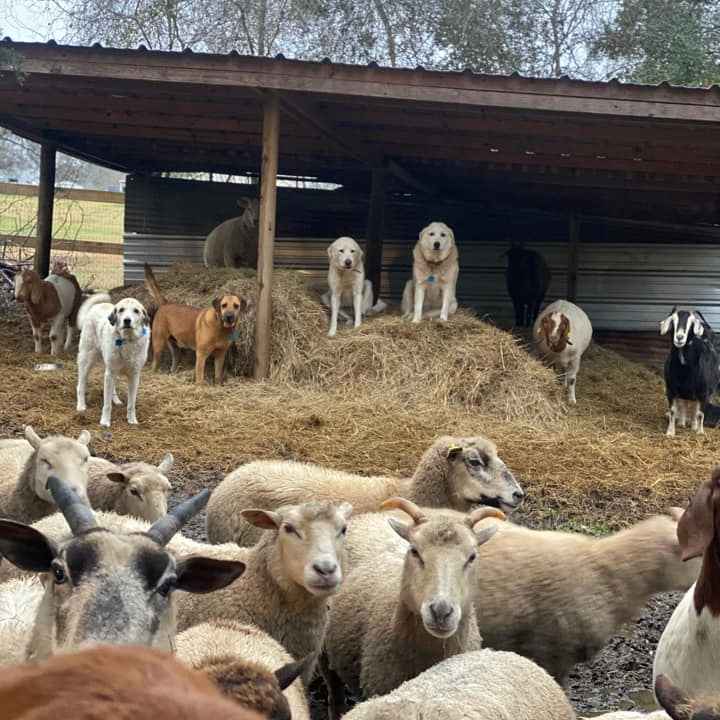
As stated earlier, it is vital to avoid isolating a single LGD, as this increases vulnerability to wolf pack attacks. Using multiple dogs with complementary breed tendencies, such as patrolling patterns, enhances both livestock and LGD safety.
Bond LGDs Correctly & Manage Through Adolescence
Effective bonding and management, rather than genetics alone, are critical for addressing most behavioral issues. The Texas A&M AgriLife LGD Program's resources highlight the importance of daily feeding, safe handling, proper bonding and practical management.
In areas with wolf presence, the adolescent LGD phase is particularly crucial. Roaming, boundary testing and curiosity about predators can heighten the risk of an attack on a young dog. The AgriLife program recommends electric and virtual fence training during bonding and early training to minimize adult roaming.
Where LGDs Struggle and What to do About it
Even well-run LGD programs can have issues under certain conditions:
High Public Traffic (Recreation, Neighbors, Roads)
LGDs may cause conflicts with humans in multi-use landscapes such as national forests and grasslands frequented by hikers, bicyclists and hunters. Peer-reviewed literature documents incidents between LGDs and humans and provides mitigation strategies, including signage, strategic grazing layouts, selection of suitable dog temperaments and operational protocols.
If your operation is in an area with a large amount of recreational activity, it is important to develop a human-safety plan before introducing LGDs. Using signs and handing out brochures at camp sites and parking areas on how to interact with LGDs is important to preventing issues with the public.
Wolves that Adjust to or Learn Patterns
Wolves can assess, observe and easily adapt to management practices. Wolves may exploit LGD patrol patterns and livestock if they remain in consistently vulnerable locations. In these cases, integrating multiple non-lethal predator control tools is essential.
A combination of methods, including turbo fladry, night penning, LGDs, shed lambing, proper fencing and non-seasonal birthing, can give producers a strategic advantage against predators.
Thin Margins & Chore Overload
LGDs should be treated as a management system rather than a simple purchase. Things such as feed coordination, health, parasite control and body condition significantly change their effectiveness in the field.
The AgriLife program stresses the importance of keeping LGDs in optimal working condition, particularly during high-risk periods, using body condition scoring. If ranch labor resources are already tight, LGDs may not be the most suitable initial investment for predator control.
Nonlethal Layers
A review of the evidence on wolf conflict mitigation indicates that nonlethal measures are most effective when implemented in combination rather than individually. Producers may need to integrate LGDs, night penning, targeted fencing and deterrents during vulnerable periods such as calving, lambing or kidding.
Proper fencing, including appropriate woven wire size, is often overlooked but is critical in high-predation areas. Using fencing specifically designed for sheep and goats in regions with significant predator pressure can enhance LGDs' protective capacity.
Economics
United States Department of Agriculture (USDA) predator-loss reports indicate that predators account for 33% of sheep and 40 % of lamb mortality. The impact remains significant both financially and emotionally, particularly when predation becomes chronic.
Ranchers should conduct a thorough cost-benefit analysis. Weighing expenses such as dog purchases, feed, veterinary care, replacements and labor against the anticipated reduction in losses and operational disruptions can provide a reasonable estimate. If the analysis is positive, LGDs can increase the number of marketable calves, lambs and kids.
Are LGDs Worth Trying
LGDs are effective against wolves when producers are prepared to establish a defensible livestock system, can commit to deploying sufficient numbers of dogs and can provide appropriate management to ensure their effectiveness and safety.
Conversely, LGDs are unlikely to succeed in low-labor, single-dog scenarios in highly dispersed systems under persistent predator pressure.
What a Wolf-Ready LGD Program Resembles
When evaluating suitability, treat LGDs as you would when budgeting for essential equipment, rather than treating them as companion animals.
Stock & Landscape
- Do you have a way to keep stock grouped at the highest-risk times? Night penning and shed birthing are effective methods for grouping livestock during these times.
- Are there terrain features that wolves use to approach unseen (draws, timber fingers, rimrock, brushy areas), and can dogs patrol them effectively? On private land, these areas are often easy to clear, removing hiding places for predators.
Dog Numbers & Deployment
- Are you prepared to manage multiple LGDs as a coordinated unit in areas with wolves? This requirement is often more demanding than many producers anticipate.
- Can you structure pastures and rotations so that dogs are not left isolated?
- Can you group all livestock together during critical times, such as lambing or kidding?
Infrastructure
- Do you have fencing, gates and handling spaces designed for dogs that live with livestock? Fencing and gates without gaps are important for keeping LGDs in the areas where you need them and keeping predators out.
- Do you have a feeding plan that keeps LGDs with the livestock, since removing them for feeding is a common management failure? Handfeeding or installing feeding stations at all livestock watering points is essential to maintain LGD effectiveness throughout the day.