Minnesota Shares Anhydrous Ammonia Safety Reminders
Minnesota farmers are reminded of anhydrous ammonia safety requirements for fall application, transport, and storage.
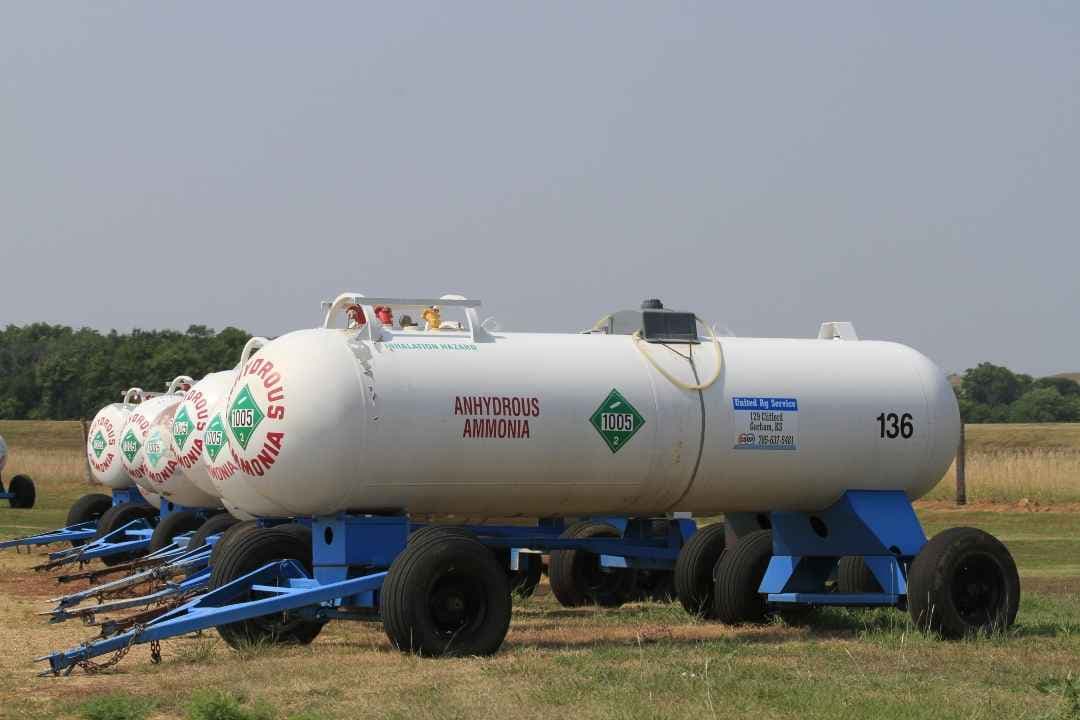
As Minnesota farmers finish harvest and prepare for fall fertilizer applications, the Minnesota Department of Agriculture (MDA) is reminding farmers, fertilizer dealers, and custom applicators to take precautions when handling anhydrous ammonia (NH3).
Accidents involving NH3 can cause severe injuries or death. The MDA's guidance addresses safe handling during application, transport, and storage.
“Anhydrous ammonia is an important fertilizer, but its use isn’t without risk,” said MDA Commissioner Thom Petersen. “Slowing down, wearing protective gear, and keeping water on hand can make the difference between a safe season and serious injury.”
Anhydrous Ammonia Application Safety
Applicators should wear NH3-rated goggles and gloves and avoid wearing contact lenses when handling anhydrous ammonia. At least five gallons of clean emergency water should be readily accessible.
Transfer lines may contain residual ammonia and should be handled carefully. The MDA recommends standing upwind when transferring or bleeding lines and securing valves before taking breaks. Equipment should be positioned downwind and kept away from homes, people, and livestock.
Storage and Transport Requirements
Farmers and applicators should also take precautions when storing or transporting anhydrous ammonia. MDA guidance includes:
- Never assume NH3 lines are empty
- Wear protective gear when working with tanks or transport units
- Equip storage sites with either a 150-gallon open-top container or a shower and plumbed eyewash, along with a five-gallon container of clean water for every nurse tank
- Do not exceed 30 miles per hour during transport
- Display a slow-moving vehicle emblem visible from the rear
- Secure tanks with two independent chains in addition to the hitch pin or clip
If an accident occurs, seek immediate medical care, call 911, and then contact the Minnesota Duty Officer at 800-422-0798.
Fall Nitrogen Application Rules
Minnesota's Groundwater Protection Rule prohibits fall nitrogen fertilizer application in vulnerable groundwater areas. Farmers can use the state's vulnerable area map to determine whether their fields are within affected regions.
Outside those areas, MDA recommends applying NH3 only when soil temperatures average 50 degrees Fahrenheit or cooler to reduce environmental impacts and improve crop efficiency.
Current soil temperatures, vulnerable area maps, and additional anhydrous ammonia safety guidance are available through the Minnesota Department of Agriculture.