Pre-Harvest Equipment Checks
Why Screening Systems Matter More Than You Think
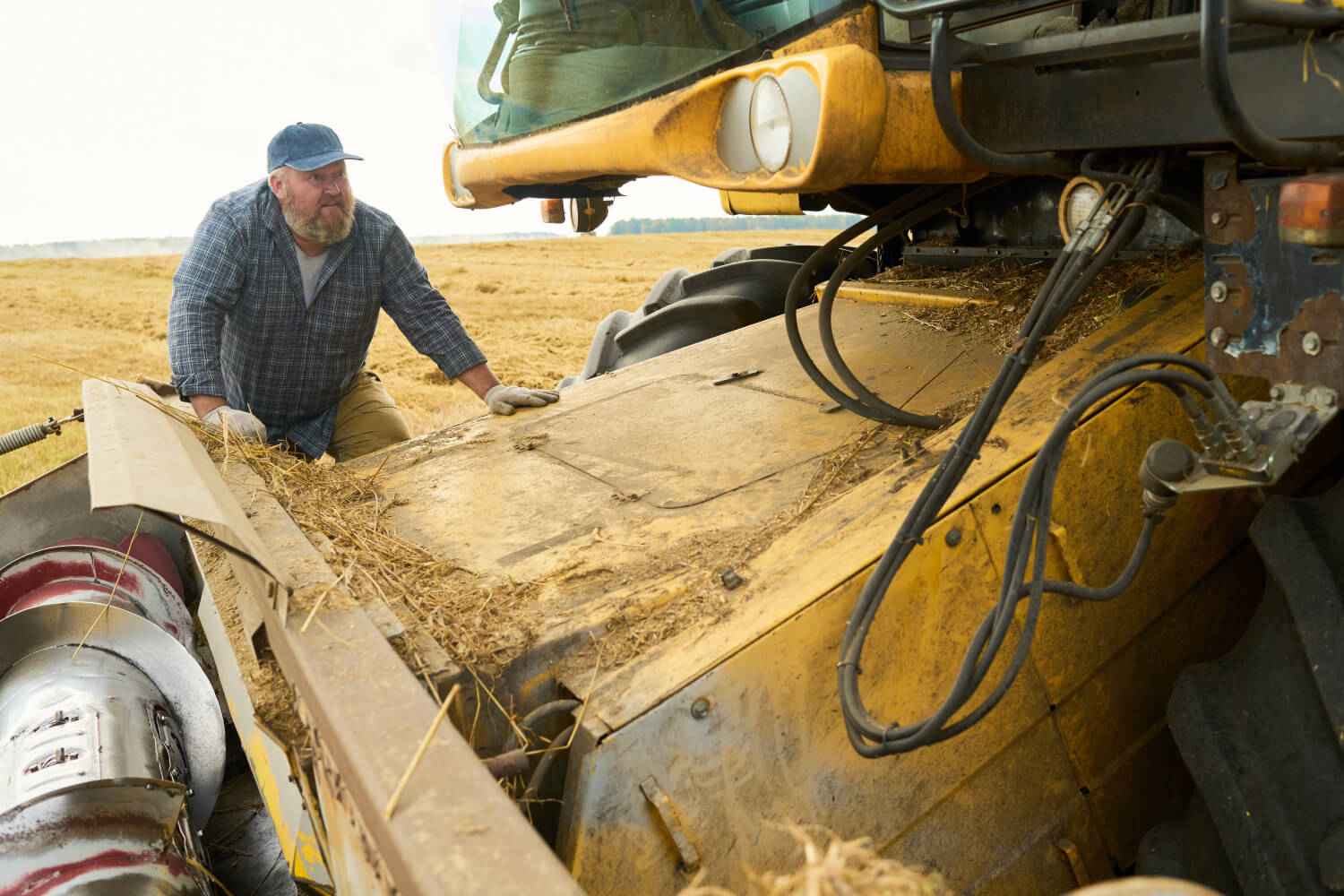
Pre-harvest equipment checks are imperative for a profitable harvest, and screening systems often decide whether grain moves smoothly through your operation or drags everything to a halt. Agricultural machinery is financially heavy, and repair costs continue to rise, so every preventable failure directly affects your bottom line.
When a worn screen allows fines, foreign material or oversized particles into downstream equipment, the resulting clogs, off-spec product and unplanned shutdowns can cost far more than a replacement part.
Pre-harvest inspection and maintenance of vibratory screeners, scalpers and other separation equipment give producers a chance to catch small issues, such as tension loss, cracked welds or blinding, before long harvest days amplify them into breakdowns. By treating screens as precision components instead of simple filters, agricultural professionals protect product quality, reduce downtime and keep every load moving consistently from the field to storage or processing.
Screening Systems Before Harvest
Screening systems in agriculture do more than remove trash. They control particle size distribution, protect downstream equipment and stabilize throughput across the entire handling line. Vibratory screeners and separators classify grains, seeds and fertilizers by size, remove stones and foreign objects and strip out dust or undersized particles that can increase spoilage risk in storage.
When operators enter harvest season with clean, properly tensioned and correctly specified screens, they reduce the risk of plugs in augers, uneven flow into dryers and inconsistent conditioning performance.
Screen damage or misapplication often shows up as uneven material distribution, hot spots in bins and higher levels of broken kernels or foreign material in marketable grain. Those defects can trigger dockage, additional cleaning passes or even rejected loads at the elevator. Routine pre-harvest checks of mesh integrity, open area and frame fit give producers a measurable way to control those risks before the first truck reaches the pit.
Key Pre-Harvest Checks
Inspect Screen Media & Frames
Agricultural screening lines rely on several screen media types:
- Wire cloth
- Perforated plate
- Self-cleaning sandwich screens
These screens handle everything from small grains to abrasive fertilizer blends. Before harvest, operators should:
- Check for wire fatigue, broken strands and edge wear that could allow oversize material to slip through
- Verify screen tension to prevent material bypass, blinding and premature failure during long hours of vibration
- Inspect lip rings, gaskets and clamp areas for damage that might compromise sealing or cause leaks of fine material
Any signs of localized wear in high-impact zones, such as feed points, justify planned replacement rather than waiting for a mid-harvest rupture. High-quality circular vibratory screeners with properly selected replacement media give operators more consistent flow and fewer changeouts under peak loads.
Evaluate Material Flow & Blinding Risk
Moisture variation, crop type and residue levels influence how harvested material behaves on a screen deck. Pre-harvest checks should include test runs that confirm:
- Even distribution across the feed end without dead zones or overloaded sections
- Acceptable levels of carryover and fines in each discharge stream
- Minimal blinding or pegging on near-size particles, especially when working with damp grain or seed lots
If blinding appears during test runs, operators may need self-cleaning designs, alternate mesh counts or backing mesh to maintain open area when conditions turn marginal. Adjustments at this stage prevent operators from compensating later with higher feed rates that overload the system and shorten component life.
Integration With Upstream & Downstream Equipment
Screens rarely operate in isolation. They feed conveyors, bucket elevators, grain cleaners and conditioning systems whose performance depends on consistent input. Pre-harvest checks should verify:
- Alignment and sealing at inlets and outlets to prevent leaks, dusting or material build-up
- Proper clearance around moving parts and supports, especially where vibration can cause metal-to-metal contact
- Coordination with the dust collection or ventilation system to maintain visibility and reduce explosion risk in enclosed areas
When screens underperform, operators often see it first as elevated loads on conveyors or frequent plugging in downstream equipment. Correcting those issues before they harvest protects throughput and safety.
Linking Screen Maintenance to Overall Pre-Harvest Routines
Integrate With Daily & Seasonal Inspection
Industry guidance on farm equipment maintenance underscores the value of structured inspection schedules, including daily, weekly, monthly and seasonal, instead of ad hoc checks. During the run-up to harvest, producers already verify fluid levels, belts, hoses, tires and safety systems on combines, tractors and grain handling equipment. Adding targeted screening-system checkpoints to those routines strengthens the overall maintenance program without adding significant time.
For example, operators can fold screen visual checks into daily walk-arounds and reserve deeper inspection of frame fasteners, gaskets and support structure for weekly or pre-season tasks. Consistent documentation of screen performance and failures, whether in a logbook or a digital tool, also helps identify recurring issues tied to specific crops, moisture conditions or mesh selections.
Minimize Breakdown Risk & Cost Exposure
Research on farm equipment maintenance shows that unplanned breakdowns and restrictive repair conditions generate thousands of dollars in seasonal downtime costs, and repair expenses have risen sharply over the years. Screening systems may not carry the headline price tag of a combine, but a single failed screen or support component can idle multiple pieces of equipment while crews clean up, source parts and bring systems back online.
Preventative maintenance — including timely screen replacement, correct mesh selection and proper storage of spare media — reduces the frequency and severity of those events. Stocking critical screen sizes and gaskets before harvest, then documenting each changeout, allows operations to treat screening equipment with the same discipline they apply to engines, hydraulics and drivetrains.
Pre-Harvest Checks as a Strategic Advantage
Agricultural operations that elevate screening systems from afterthought to core asset gain more than cleaner grain. They gain greater control over throughput, product consistency and the reliability of every machine downstream. Thorough pre-harvest inspections of screen media, frames and interfaces with the rest of the handling system reduce contamination risk, shorten cleanup cycles and cut the odds of catastrophic failure during narrow weather windows.
When those checks align with structured maintenance programs and accurate recordkeeping, operators extend equipment life and keep rising repair costs in check. By entering harvest season with screening systems tuned, documented and supplied with appropriate spares, agricultural professionals protect both crop quality and operational performance when it matters most.