“Product of USA” Is Getting a Clear Definition in 2026
Here’s What Farmers Need to Know
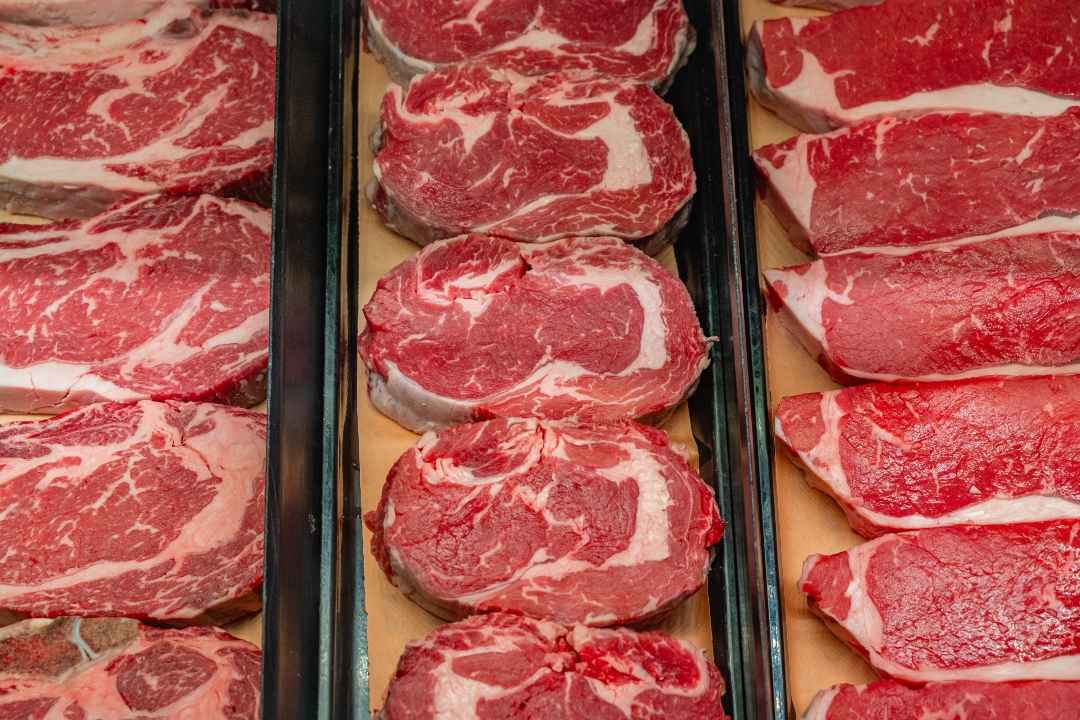
Beginning January 1, 2026, meat and poultry labels bearing the claim “Product of USA” will be held to a much clearer and stricter standard. Updated guidance released in December by the U.S. Department of Agriculture’s (USDA) Food Safety and Inspection Service (FSIS) outlines how voluntary U.S.-origin claims may be used — and closes long-standing loopholes that have caused confusion for both producers and consumers.
The changes stem from USDA’s final rule on voluntary U.S.-origin labeling and are intended to ensure that labels accurately reflect where livestock were raised and processed (USDA FSIS, 2025).
Who Oversees These Labels?
FSIS is a regulatory agency within USDA responsible for inspecting meat and poultry processing facilities and overseeing labeling and marketing claims on meat and poultry products. Any wording, symbol or imagery used to suggest U.S. origin — including patriotic language, flags or state outlines — falls under FSIS authority.
This oversight applies specifically to voluntary marketing claims, not to mandatory retail disclosures.
What the New Standard Requires
Under the updated FSIS guidance, a product may only use the voluntary claims “Product of USA” or “Made in the USA” if the animal was:
- Born in the United States
- Raised in the United States
- Slaughtered in the United States
- Processed in the United States
All four stages must occur domestically. FSIS clarifies that final processing alone is no longer sufficient to justify a U.S.-origin claim (USDA FSIS, 2025).
Multi-Ingredient Products Face a Higher Bar
For products containing multiple ingredients, FSIS applies additional requirements. To qualify for a “Product of USA” claim:
- All meat and poultry ingredients must meet the full U.S.-origin standard
- All other ingredients — with the exception of spices and flavorings — must also be of domestic origin
- All preparation and processing steps must occur in the United States
If any part of the supply chain occurs outside the country, the claim may not be used (USDA FSIS, 2025).
How This Differs From Mandatory Country of Origin Labeling
The updated FSIS guidance does not replace Mandatory Country of Origin Labeling (mCOOL).
mCOOL remains a required retail disclosure administered by USDA’s Agricultural Marketing Service (AMS). It informs consumers of the country or countries an animal came from using statements such as “Product of the U.S.” or “Product of the U.S. and Canada.”
The FSIS rule addresses a different issue: voluntary label claims chosen for marketing purposes. While mCOOL identifies a country of origin, FSIS regulates whether voluntary claims like “Product of USA” accurately reflect the animal’s full life cycle.
In simple terms, mCOOL tells consumers where an animal came from, while FSIS determines whether a “Product of USA” claim tells the whole story.
State Pride Labels Under New Scrutiny
FSIS guidance also addresses the use of state pride imagery. Beginning in 2026, state outlines, maps or flags may only appear without qualification if the animal was born, raised, slaughtered and processed in that state.
If only part of the process occurred there, the label must clearly disclose that step — such as “packaged in Texas” or “cooked in Arkansas” — to avoid misleading consumers (USDA FSIS, 2025).
Why This Matters to Farmers
For years, producers have raised concerns about imported livestock or meat products being lightly processed in the U.S. and marketed with patriotic language. FSIS states the updated guidance is intended to provide consumers with meaningful information and prevent misleading claims.
For farmers who raise livestock entirely within the United States, the clarified standard reinforces the value of domestic production and aligns labeling claims with on-farm practices.
When the Rule Takes Effect
FSIS indicates the updated requirements apply to labels used on or after January 1, 2026. Products introduced or reprinted after that date must comply with the new standards.
Bottom Line
mCOOL remains unchanged. Voluntary U.S.-origin claims remain optional.
What has changed is the definition behind those voluntary claims. Beginning in 2026, FSIS is drawing a firm line around what “Product of USA” means — ensuring the label reflects the full life cycle of the animal, not just the final step.
References