From Bottlenecks to Better Flow
Choosing The Right Grain-Handling System For Your Operation
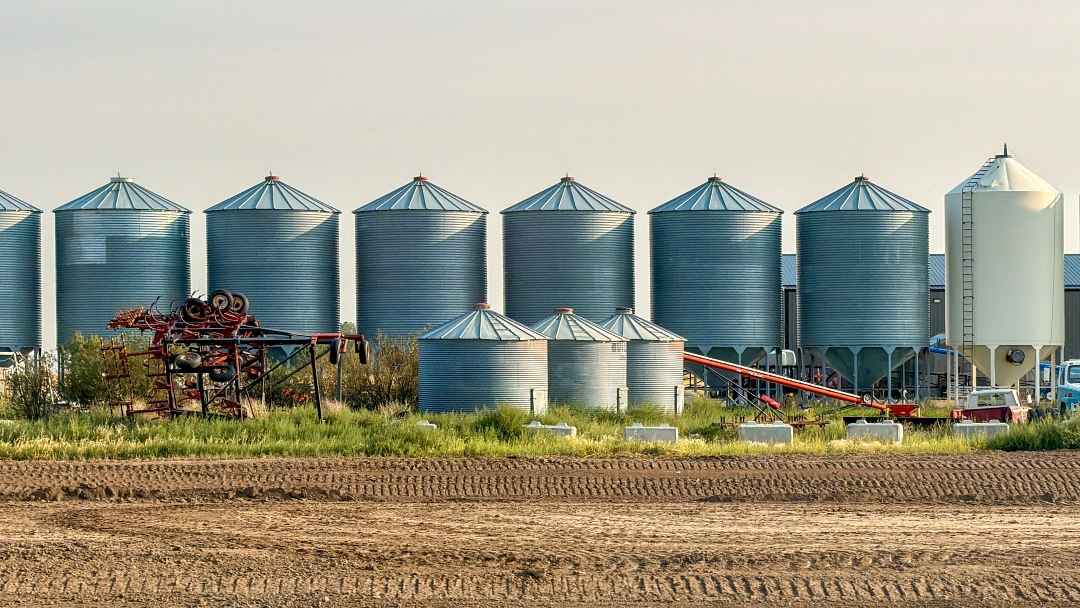
Grain handling is one of the most important aspects of any agricultural operation that produces and processes grain for sale. The long work of growing and harvesting the plants can all go to waste if the handling system destroys the grain or provides another subpar end result.
Choosing the right grain-handling system is therefore essential. The right system maintains a high level of efficiency while ensuring that the grain finishes the process in optimal condition. With this guide, agricultural professionals can understand the factors they should consider when evaluating a grain-handling system.
Challenges to Grain System Selection
Before looking at solutions for grain handling, companies should first gain familiarity with the obstacles they may face. These challenges can determine which system is best for the job.
Changing Customer Preferences
Every customer is a little different, even if they order the same grain in the same quantities. Some customers prioritize fast delivery, while others have strict requirements for moisture content, grain condition, and foreign material.
Grain-handling facilities dealing with a range of customers must be adaptable enough to accommodate each client’s specific needs.
Design Inefficiencies
The efficiency of the actual design affects the processing rate and the condition of the grain after handling. Some systems emphasize speed above anything else, but this approach can create bottlenecks. Bottlenecks are inconvenient, but ultimately can cause the system to jam, encounter excessive wear, or damage the product. Overcoming these problems requires an understanding of how grain moves through the system before solutions can be introduced.
Unique Needs of Different Grains
Grain type affects how a handling system should be configured. Corn, soybeans, wheat, and barley differ in their handling characteristics, susceptibility to mechanical damage, moisture requirements, and cleaning needs. Equipment should be selected to accommodate the specific crops being handled and preserve grain quality.
Features to Optimize in Selecting a System
Choosing the right grain-handling setup starts with creating a list of requirements and evaluating the options available. A grain equipment company creates tools and systems that are designed to meet the needs of the vast majority of grain producers, but this does not mean that every system will be a perfect fit. The company should carefully consider these factors before deciding.
Storage Capacity
Storage capacity affects how much grain a facility can hold before shipment or further processing. Systems with greater storage capacity can accommodate larger grain volumes, but they may be too expensive, large, or complex for smaller operations. Businesses should evaluate both storage capacity and handling throughput to ensure the system meets their operational needs.
Crop Type
The grain-handling system should be rated to handle the crop types that the facility processes, without damaging the grain or contaminating the product. In some cases, adaptability is more important than specialization. A facility that processes corn, soybeans, wheat, and barley may need adaptable equipment that accommodates each crop’s characteristics rather than a system optimized for just one.
Equipment Compatibility
Grain-handling setups may work with equipment from different manufacturers to achieve the same outcome, so compatibility is a major consideration. Generally, modular systems provide the greatest ability to upgrade and swap components to meet specifications, but it depends on the individual system. The facility should research compatibility for existing equipment before implementing new grain-handling devices into the lineup.
Accumulation Management
Bottlenecks are a common problem, but they do not need to be. Optimal processing speed requires buffers and other systems to dictate a predictable rate of movement through the system. These buffers do more than avoid system clogs, however. By maintaining a controlled flow of grain, buffers can help reduce bottlenecks and support efficient operation.
Dust collection, good housekeeping, and ignition-source control are also essential to reducing fire and explosion risks.
Future Expansion
Facilities planning for future growth should ensure that their grain-handling systems can accommodate it. Systems that are tightly optimized for existing grains and order sizes may not allow the facility to expand into different crops or take on larger clients. As such, the facility team should consider their plans for expansion in the next several years and select a grain-handling system that can handle the future load.
Choosing a grain-handling system is a major decision for any grain processing facility. The system should be optimized for the facility, grain types, customer needs, and more. By incorporating these factors into the final decision, agricultural professionals can ensure that the system they select will be able to meet their needs now and in the future.
About the Author
Eric Willems is a product specialist at Grain Handling Direct, a company that provides equipment and solutions for commercial and farm-scale grain storage and handling. With more than 10 years of expertise, Willems supports customers through every stage of project design, selection, and implementation. Drawing on hands-on experience with grain bins, dryers, material handling equipment, and site layout optimization, Eric provides clear technical guidance that improves reliability, safety, and long-term return on investment (ROI) for growers.