Guardians That Fit the Land
Choosing the Best Livestock Guardian Dog Breed for Your Ranch
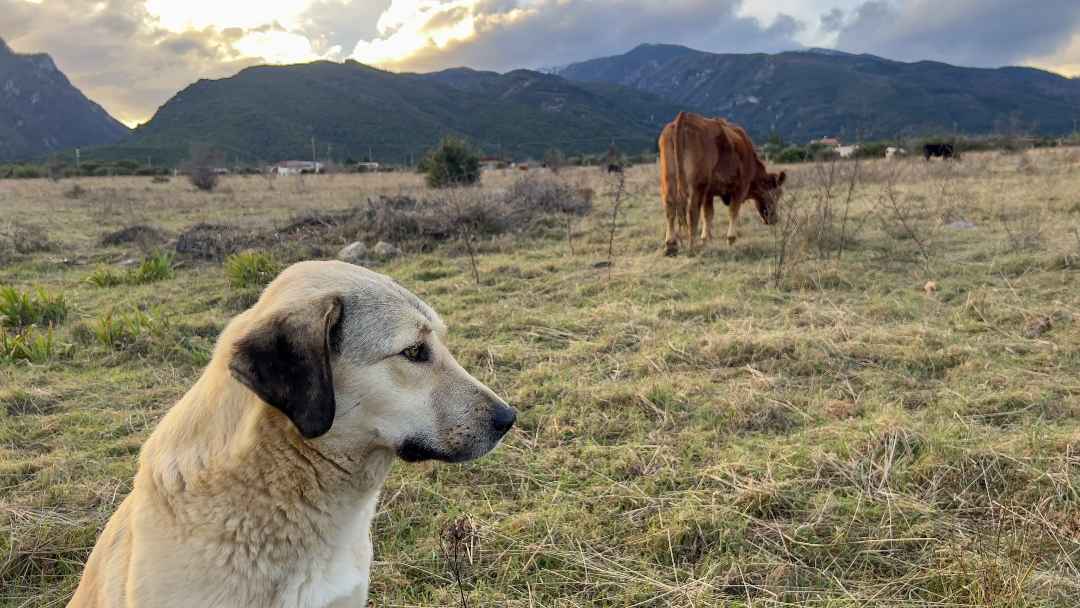
Conversations among ranchers frequently include strong opinions about livestock guardian dog (LGD) breeds. Many support the Great Pyrenees, claiming they are the best, while others caution against them due to their tendency to roam. Supporters of Anatolian Shepherds and Akbash also assert their superiority under specific conditions. These breed preferences are commonly shaped by limited experience on a single ranch, with one dog or during a single season.
Research and extension experience show that while breed is important, the suitability, or “fit,” of the dog to the specific ranch environment is more critical. The chosen dog must be compatible with the ranch's predators, terrain, livestock, management practices and neighboring properties. Studies and reviews demonstrate greater variation among individual dogs than among breeds, provided the dogs are well-bred and properly started.
After identifying the importance of “fit,” the next step is to define the specific job requirements for the ranch before selecting a breed.
Clearly specifying these needs facilitates the successful selection of a puppy or started dog from proven working parents that match work-related demands.
Step 1: Define the Job
1) What predators are you dealing with, and how bold are they?
Coyotes are the “classic” LGD problem, and LGDs can dramatically reduce losses in many operations when bonded and managed correctly. But predator communities differ:
- Coyotes/stray dogs: Often deterred by presence, barking and active patrolling.
- Bobcats/smaller predators: Deterrence still helps, but livestock vulnerability (lambing/kidding, brush cover) drives risk.
- Wolves/mountain lions/bears: These situations can demand more dogs, greater cohesion and greater intensity, and some studies suggest that commonly used U.S. “white dog” LGDs may be less effective against wolves than against coyotes.
When predator pressure is significant, breed selection becomes a deliberate decision. Consider whether a dog that remains close to livestock and responds quickly to threats is needed, or if a patrolling dog is more appropriate. Many ranches employ multiple dogs or breeds to fulfill both roles effectively.
2) What does your landscape force a dog to do?
Topography and vegetation change everything:
- Rough terrain/broken canyons/large pastures: You may benefit from dogs that naturally patrol and cover ground.
- Smaller pastures/close neighbors/road risk: You need dogs that are more likely to stay home, respect boundaries and tolerate frequent human contact.
Roaming isn't simply inconvenient; it is a primary cause of injury or death among ranch dogs. Texas A&M AgriLife emphasizes that many accidents could be prevented if dogs consistently remained on the property.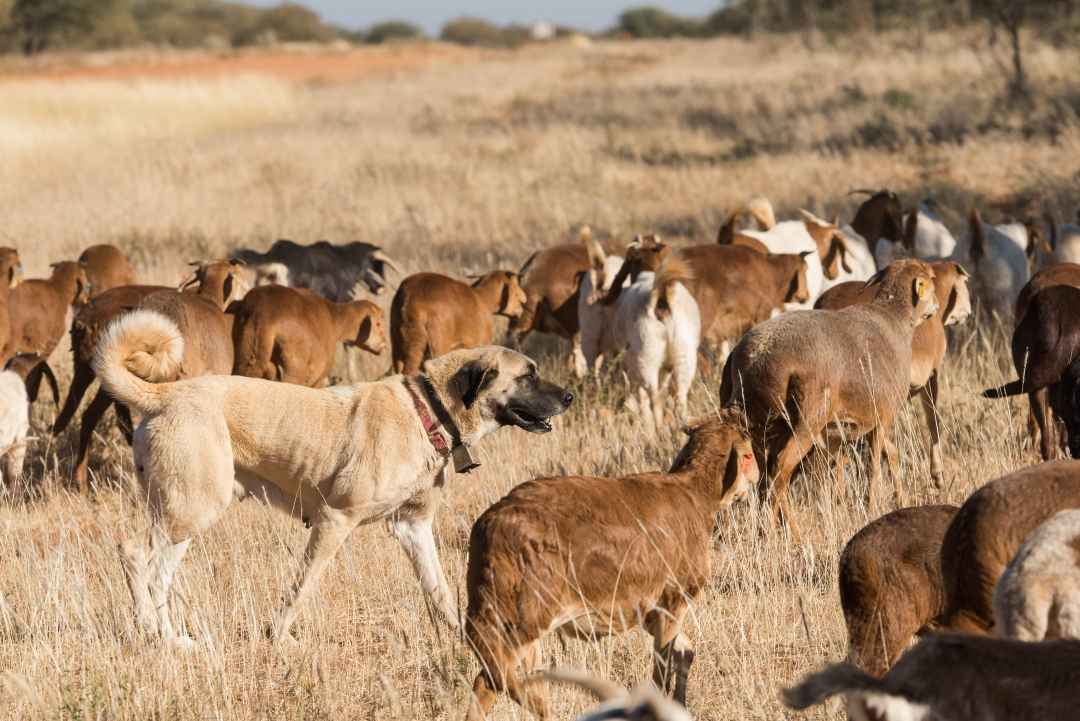
3) How human-compatible does the dog need to be?
Public roads, nearby homes, hunting leases and weekend traffic matter with LGDs. Great Pyrenees are popular because they’re less aggressive toward people and livestock, suiting smaller flocks and populated settings. Larger ranges may need more assertive dogs, which require tighter management and clear expectations for human interaction.
Step 2: Understand the Breed Differences
A producer survey by Green and Woodruff in 1988 found no major difference in overall LGD breed success rates and hybrids, reinforcing that management and individual quality matter most. More recent extension guidance also highlights:
- There is little evidence that one breed is consistently “more effective” at decreasing predation overall, though behavioral tendencies can differ.
- Great Pyrenees are often seen as calmer and less likely to hassle stock, which may explain their popularity.
- Many working LGDs are guardian breed crosses. However, avoid crosses with non-LGD breeds, as prey drive, herding and “gamey” behaviors can be troublesome around livestock.
To summarize, prioritize selecting a guardian-breed lineage that matches operational requirements, and then choose individual dogs based on demonstrated capability and appropriateness.
Step 3: Match “Profiles” to Ranch Realities
Think in terms of tendencies, not guarantees, when looking at a breed to select for your operation.
Great Pyrenees-type fit
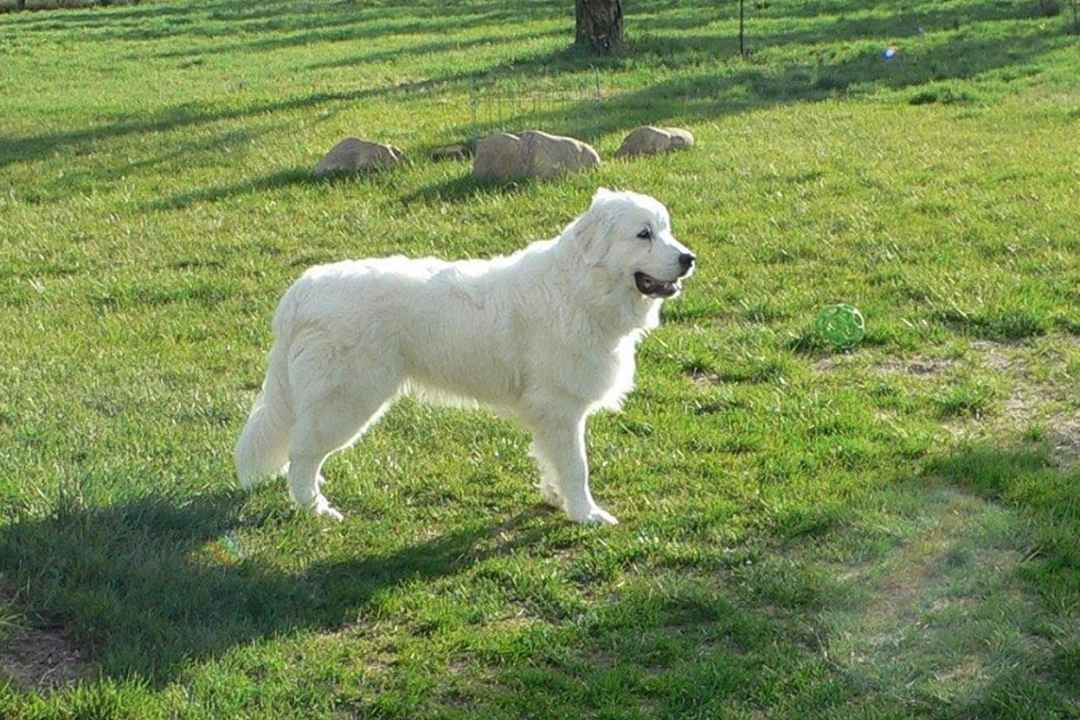
Great Pyrenees are often a strong match when you need: a more people-tolerant dog, steady, close-to-perimeter behavior and a calmer temperament around smaller flocks/herds and higher human activity. Some operations may need more boundary training and dogs if predator pressure is intense or widespread.
Anatolian/Kangal-type fit
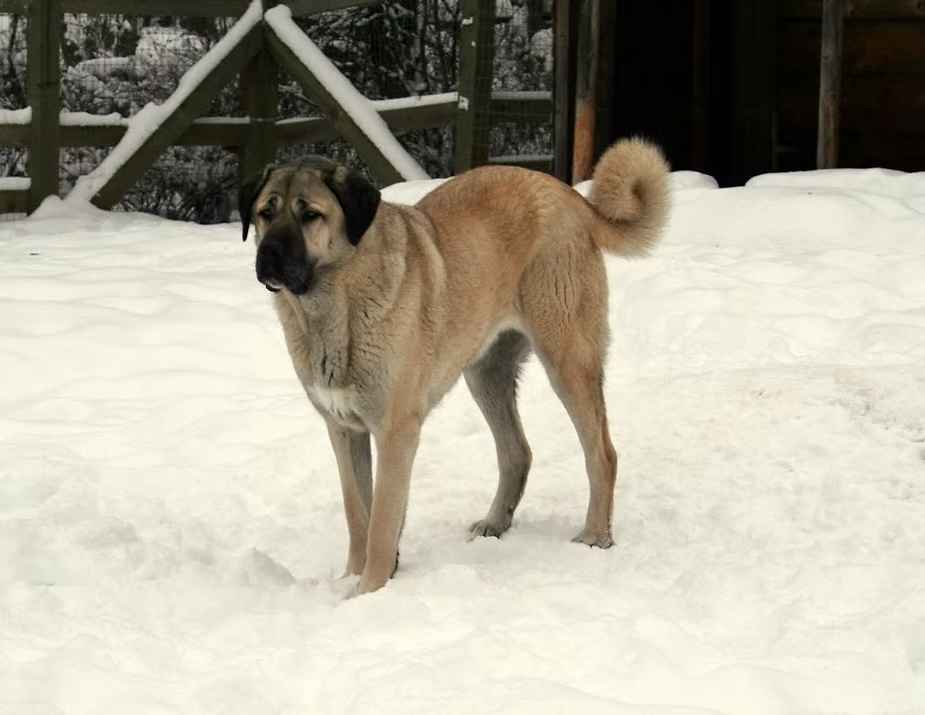
These two breeds are frequently selected for: independence, athleticism and perimeter coverage. They work in a bigger country where dogs must make decisions without constant human presence.
The Kangal also excels at dealing with large predator threats. Anatolian Shepherds and Kangals can be more challenging within densely populated neighborhoods if not socialized and managed thoughtfully.
Akbash-type fit
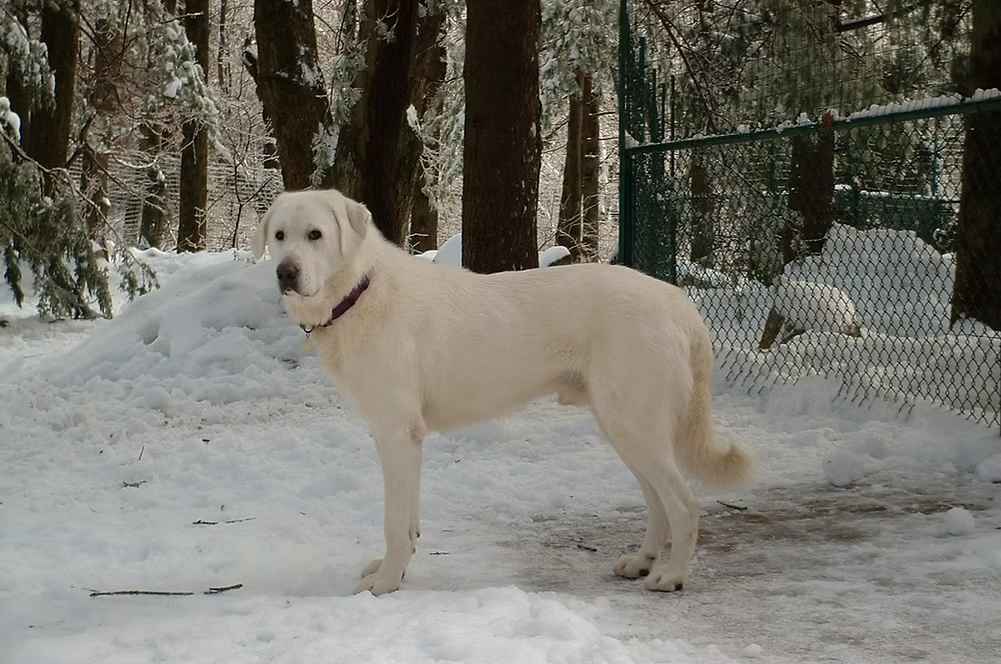
Texas A&M AgriLife notes that Akbash are often more aggressive and protective with small ruminants. This helps with bold, sustained predator pressure. This breed also tends to float between the perimeter and the herd. They can be canine aggressive, so they are better for operations closer to town that may have pet dogs attacking livestock. However, that extra edge may require better visitor protocols, earlier socialization and clearer “acceptable behavior” rules on the ranch.
Maremma/Karakachan-type fit
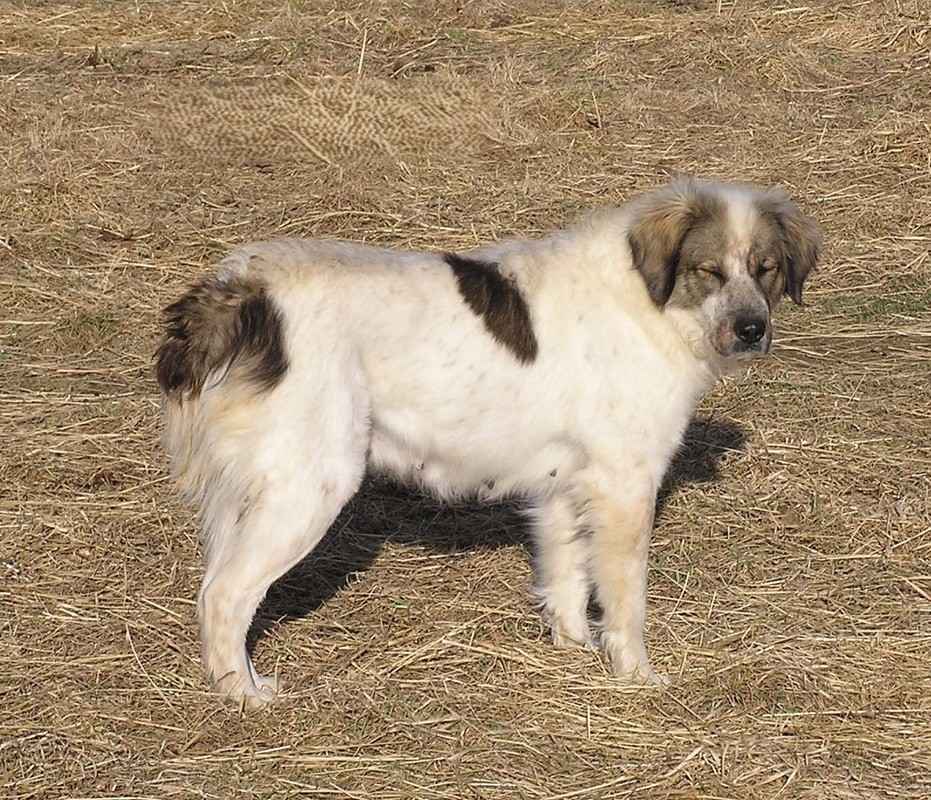
These breeds, along with Komondors, are commonly valued for: staying tighter to stock, bonding strongly and a steady presence that livestock learn to trust.
Remember that any breed can become a “yard dog” if bonding or placement is weak. Proper bonding and early training are critical to the success of a livestock guardian dog of any breed. The use of hot wire in the bonding pens and virtual fence collars in training pastures drastically reduced roaming in Texas A&M AgriLife studies.
Numerous effective guardian breeds are found worldwide. However, the availability of proven working lines within a given region is often more important than breed registration. Finding a reputable breeder is critical to purchasing a quality LGD puppy or dog.
Step 4: Selection Process is Essential for Successful Outcomes
A key principle is to invest in a comprehensive breeding and training program rather than emphasizing the individual puppy. Successful operations prioritize acquiring dogs from working parents within similar production systems.
- Select for low prey drive, stock respect and attentiveness, not “pet friendliness.”
- Plan for the right number of dogs. Texas A&M AgriLife notes a common rule of thumb of about one or two dogs per 100 ewes/nannies, but underlines that pasture size, predator load, terrain, fencing and livestock grouping often change the actual requirement. Areas of high predator loads may need one or two dogs per 50 head.
- Manage sex and sterilization. Intact males roam more; neutering can reduce this. Intact females may be distracted during heat or while raising pups and can attract stray dogs to breed.
Ranch-Tested Way to “Choose the Best Breed” in an Afternoon
Instead of “What breed is best?” producers should ask: Do I need a close guardian or a wide-ranging patroller? How much human contact must this dog safely tolerate? Can I source proven working genetics, and will I manage bonding and boundaries correctly?
Answer these honestly, and your best breed is usually clear, or you’ll realize two complementary dogs work best.
On real ranches, “best breed” is rarely just a breed. The essential conclusion is that success depends on selecting an appropriate dog from a proven working lineage, placing it strategically and managing it to suit the ranch system. Prioritizing fit above breed alone yields the most effective results.