A Team Built to Guard
Determining the Correct Number of LGDs for Your Operation
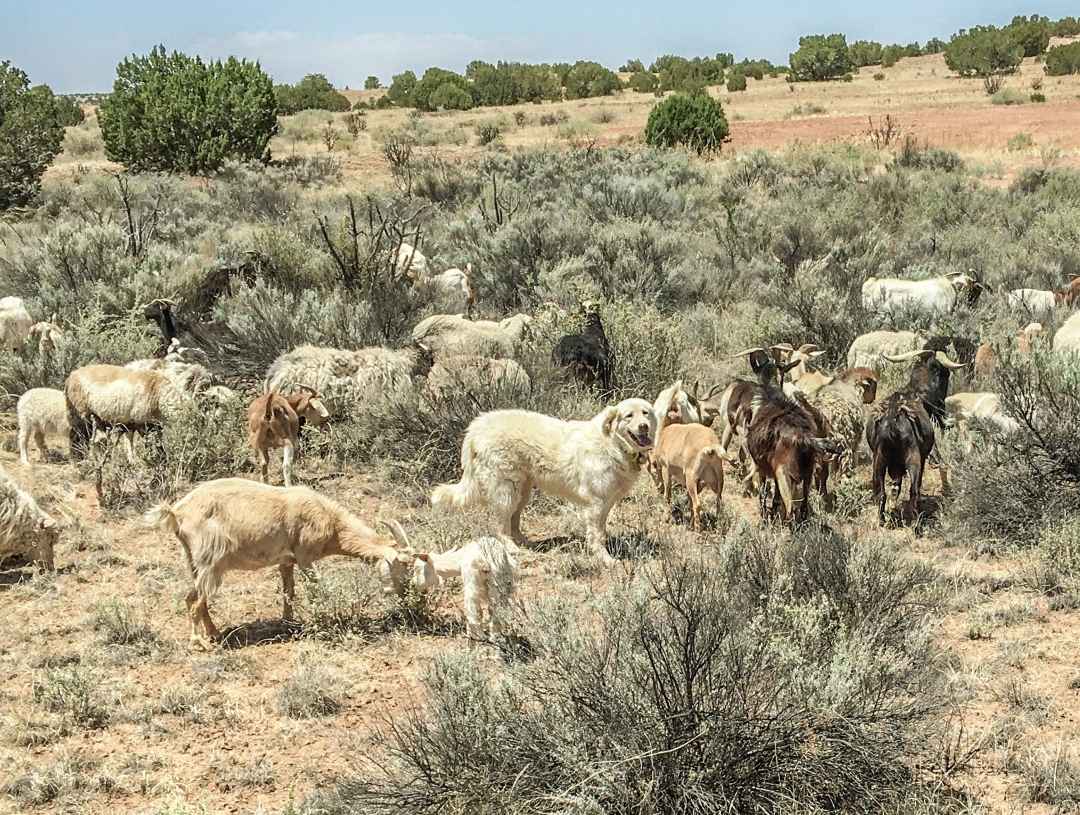
Determining the number of livestock guardian dogs (LGDs) required to keep your livestock safe is not an easy question to answer. Every ranch is unique, and the number of LGDs needed will vary. There is no formula for determining how many dogs a producer requires for a ranch setting.
So, how many livestock guardian dogs does a producer need? A common rule of thumb is to have one to two LGDs for every 100 animals. Few scientific studies have specifically examined the exact number appropriate for a specific herd size. Based on a review of the available research literature, LGD-to-livestock ratios in the U.S. are smaller than in other countries. I frequently quote the 1-2:100 head ratio as a starting point for the average location. However, a lower ratio of 1-2:50 head is recommended for areas with high predation, large predators, and/or heavy brush. The earliest known recommendations about guardian dog numbers per flock or herd come from Roman scholar Varro's Rerum rusticarum libri III, written in 37-26 BCE:
“The number of dogs is usually determined by the size of the flock. It is thought to be about right for one dog to follow each shepherd, but the number varies according to circumstances. Thus, in countries where wild beasts are plentiful, there should be more, as is usually the case with those who escort the flocks to summer and winter pastures through remote woodland trails. On the other hand, for a flock grazing near a farm, two dogs are sufficient. They should be a male and a female, for in this case they are more watchful, as one makes the other keener, and if one of the two is sick, the flock may not be left without a dog.“
This appears to have been a topic of discussion for thousands of years, based on the writing from this Roman scholar. The exact number will depend on several factors, including livestock type and number, terrain, brush density, dog age, predator types and numbers, and fencing quality. Smaller operations can often be managed with fewer LGDs. It may be beneficial to use pairs if predators are large or travel in packs, which is common in some areas. Larger predators or higher predator loads may also require more LGDs to adequately defend livestock.
It is essential to consider all the factors on your ranch to determine the appropriate number of dogs. While the idea of continuously adding dogs until predation stops might seem viable, many producers prefer to avoid a trial-and-error approach. This approach can also result in having more dogs than necessary, leading to additional management issues. Here are the key factors to consider when determining how many LGDs your operation requires:
- Livestock type
- Terrain and brush
- Predator type and load
- Management style
- Fencing and pasture size
- LGD behavior
Livestock Type, Numbers, & Characteristics
The number of dogs you need depends on the type of livestock you own. Some types of livestock, such as Dorper sheep, tend to spread out across the land. Wool sheep and meat goats often stay closer together in large herds. Animals that spread out across your pastures require more LGDs to defend the area and keep the livestock safe.
The more animals in a pasture, the more dogs are needed to protect them.
Terrain & Brush
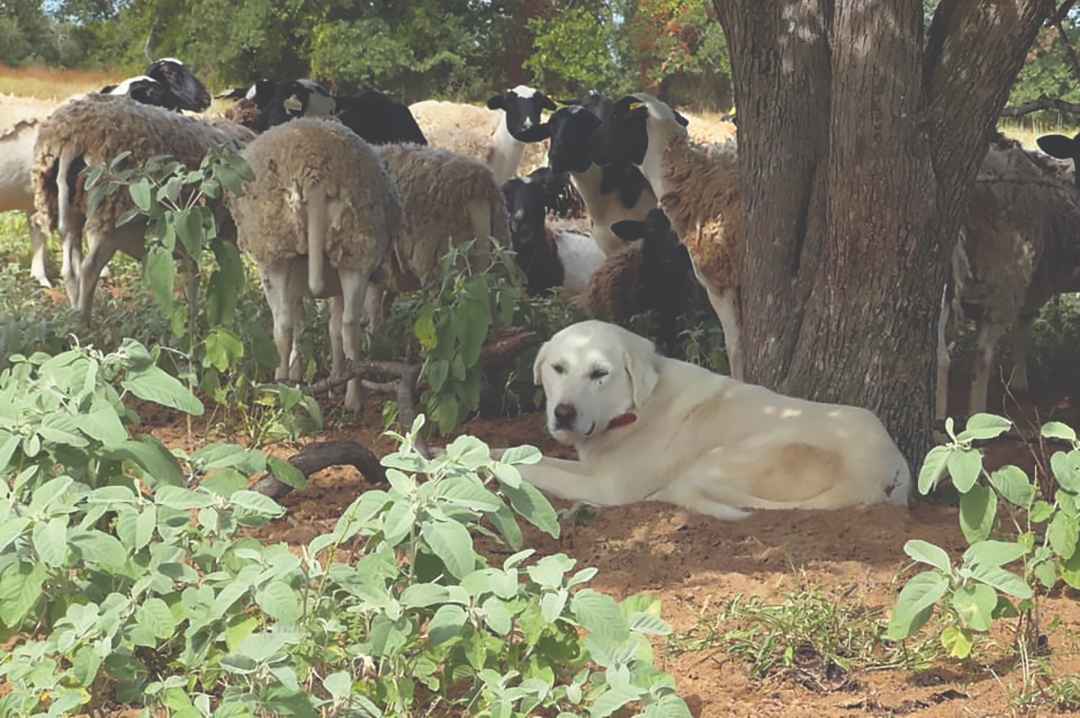
The terrain on your property is a key factor in determining how many LGDs you will need. If your property is open and flat, your dogs will have a clear line of sight. However, the line of sight will be obstructed if your property features hills, rocky areas, or dense brush. Rough, brush-filled terrain makes it difficult for LGDs to see and guard all their livestock. Also, brushy terrain provides easier hiding spots for predators, so that terrain will require more dogs.
Predator Types & Load
Fewer dogs can be used if they only need to guard against occasional threats from foxes, coyotes, or birds of prey. However, if your LGDs are constantly patrolling, you will need more. Producers in northern Texas report that packs of coyotes frequently threaten their flocks. In these cases, having more LGDs to protect your livestock will also lower your dogs' risk of injury or death.
The type of predator your dogs are defending against is also crucial. If your dog guards chickens against birds of prey, their presence may be enough to deter them, and you might need only one dog. However, if your livestock faces larger predators, such as feral hogs, mountain lions, wolves, or bears, you will need a significantly larger group of LGDs to ensure their safety. The population in your area can influence the number and types of predators your LGDs will need to defend your livestock against. If you live in a more rural area, there will be more wildlife that your dogs must protect against. If you live in a semi-rural area with close neighbors, you may not need as many dogs, but your dogs might need to guard against attacks by town dogs.
Management Style
Managing your livestock can significantly affect how many LGDs a ranch needs. Producers with livestock spread across multiple pastures will need more dogs to protect those groups. By consolidating livestock into fewer pastures and using rotational grazing, producers can increase the amount of grass available to livestock while reducing the total number of dogs and their dog food expenses. Furthermore, by grouping livestock into fewer, larger groups, LGDs can more effectively safeguard them and their offspring from predators. This is often one of the biggest challenges for those inexperienced with LGDs.
A producer must be open to making management changes to ensure the dogs can perform their roles effectively; otherwise, they will continue to lose livestock. LGDs are among the best tools for producers to improve lambing and kidding percentages. However, if producers resist changing their livestock management practices, dogs will be less effective at controlling predation.
Fencing & Pasture Size
The quality of your fencing and the size of your pastures can influence the number of LGDs needed. Good fencing keeps livestock contained and deters certain predators. The type and age of your fencing also affect the number of LGDs required. Old, easily jumped-over, or squeezed-through fencing can necessitate more dogs. New fencing with small woven-wire openings, skirting, and/or hot wire will require fewer dogs to protect livestock. Poor fencing allows predators to breach it, necessitating more LGDs. It is essential to weigh the long-term costs and management of the extra dogs against the cost of new or improved fencing. Invisible fencing is now possible for many ranches, thanks to GPS-based systems.
Pasture size is a key factor when determining how many LGDs you need. Large pastures require more dogs to protect livestock because the animals tend to spread out. Consider keeping all your livestock together during lambing or kidding season so your LGDs can provide extra protection for young animals. In open-range situations, herders are often paired with their dogs to safeguard livestock. Range operations typically need a few extra dogs to ensure adequate protection for the livestock.
LGD Behavior
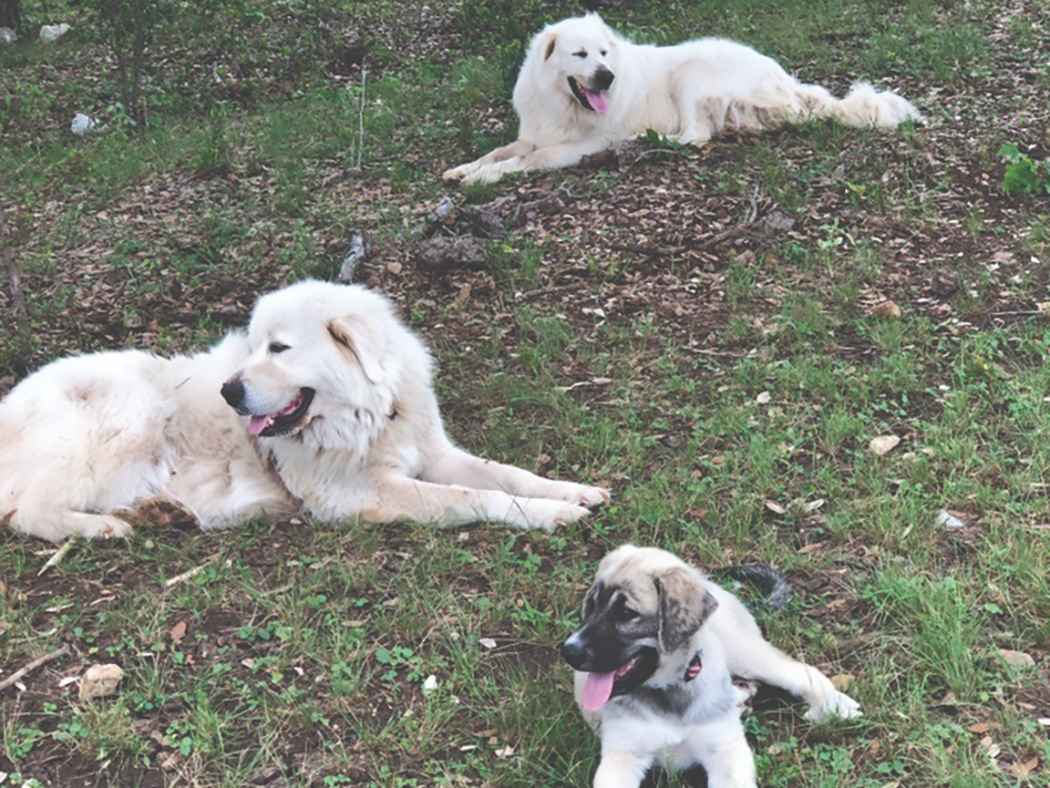
Another important consideration when deciding how many LGDs you need is their capabilities and training. If you have older, experienced dogs, you may not need as many to protect your ranch. Young dogs or puppies will need extra assistance to provide sufficient protection. Puppies under 10 months of age should not be left alone to guard livestock. It is advisable to keep a pair of young dogs or place a single young dog with a mature one. Older, pregnant, or whelping dogs will need additional help to adequately protect your livestock. Proper nutrition is also a crucial factor in how LGDs guard. Be sure to follow your veterinarian’s recommendations for feeding your LGDs.
Adding More LGDs
Once you have established a group of LGDs, do not wait too long to add more dogs. Always have new pups in training in case a dog is lost or retires. It takes about two years for puppies to mature enough to be dependable guardians. Waiting until your current LGDs are ready to retire could leave you without adequate protection if you do not have new pups in training. Puppies learn best from older mentors. Older LGDs can assist with training by modeling appropriate behavior toward livestock and correcting unwanted behavior in puppies. Mentor dogs also teach puppies how to guard against predators and to follow proper protocols in various situations.
Good adult LGDs are hard to find. Those for sale often have behavioral issues, making it unwise to buy them or accept them for free. To purchase pups, it is best to seek an LGD breeder whose operation aligns with yours. Partnering with a reputable breeder is invaluable for most ranchers.
Still Undecided on How Many LGDs?
The best place to start is to talk with other ranchers in your area who use LGDs, especially if you are still unsure how many you need. Their experience with predators and LGDs will be invaluable to you.
You should also consult your county AgriLife Extension Agent for additional insights; they are often a good starting point. AgriLife Extension Agents typically know various farmers and ranchers in the area and have access to specialists who can provide specific information you may need.
Additionally, local predator clubs and trappers can be helpful when deciding how many LGDs to employ. Both can advise on how and where to use LGDs based on the local predator types.